Multiple Short Jobs Because Workplaces Were Toxic: How To Explain The Pattern Without Sounding Negative

Multiple Short Jobs Because Workplaces Were Toxic

If you have multiple short jobs, recruiters are not counting months. They are testing whether you are a flight risk. You do not need to prove the workplaces were toxic. You need a clean pattern narrative plus one stability signal. Use neutral wording, consistent dates, and one credibility anchor so the story closes fast. When … Read more

Short Stints Caused by Layoffs: How to Frame the Pattern Without Looking Like Job Hopping

Job Hopping Because Of Layoffs

If your timeline looks messy because companies kept cutting roles, your goal is to label the pattern as structural, not personal. You only need one calm “closure signal” plus one “stability signal” to stop the job-hopper assumption fast. Add a proof marker when you can: Performance snapshot, rehire signal, retained scope, or a clean reference … Read more

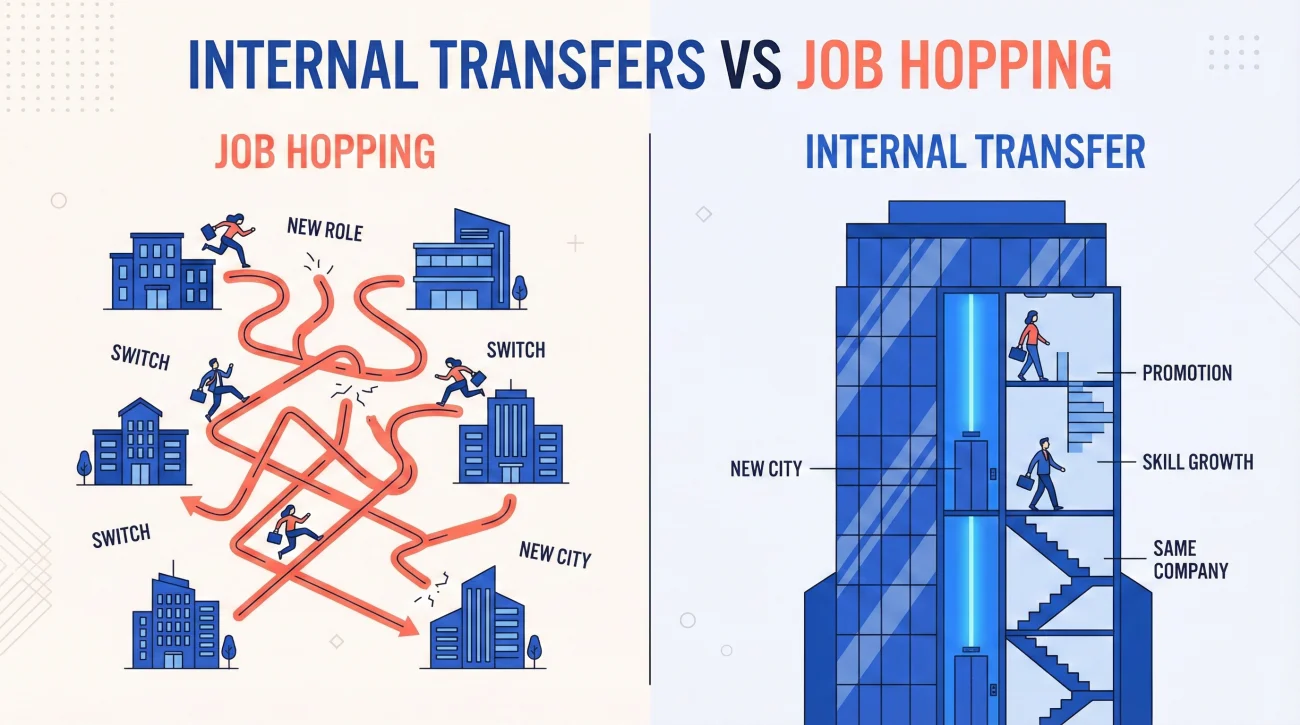
Internal Transfers vs Job Hopping: Show Growth Without Confusing Recruiters

Internal Transfers Vs Job Hopping

If your internal moves read like “three jobs in two years,” recruiters will assume instability even when you never left the company. Use one of two display formats: Nested Roles (best for clear progression) or Consolidated Timeline (best for messy org changes). Avoid the three killers: Breaking the employer line, duplicate date ranges, and vague … Read more

Contract Work That Looks Like Job Hopping: How to Show Continuity

Contract Work Looks Like Job Hopping

If your contract history reads like churn, it is usually a formatting problem, not a credibility problem. You can fix the scan in three ways: One umbrella role, grouped clients, or a project-based section. Use labels and bullet patterns that signal repeatable scope, not “new job every few months.” Why Contract Work Gets Misread as … Read more

How to List Multiple Short-Term Jobs on a Resume: 6 Clean Examples

Multiple Short Jobs Resume Example

You do not need to explain every short stint: You need a clean pattern and one stability signal. Pick the listing method that matches your situation: Repeated role, mixed roles, contract umbrella, or a pivot phase. Use these six examples as your base: Then swap the labels, not your dignity. Why Multiple Short Stints Look … Read more

Why You Left So Soon: A Safe Answer When It Was Not a Layoff, Not a Firing, Not a Crisis

Why Did You Leave Your Last Job So Soon

This question is not about your past employer. It is about whether you will repeat the pattern. Answer with a short, closed story: Context, Decision, Learning, Commitment. Match the script to your tenure: 3 months, 6 months, and 1 year trigger different worries. The Real Question Behind “Why You Left So Soon” When an interviewer … Read more

Why Have You Had So Many Jobs: A 45 Second Interview Answer

Why So Many Jobs Interview Answer

You are not defending your past. You are labeling the pattern, showing the thread, and closing the risk. A strong answer is about control: One reason category, one learning loop, one role-specific “why now”. Short tenure is only scary when it looks repeatable. Your job is to make it look explainable and finished. Why This … Read more

Short Stints on a Resume: A Clean Way to Explain Without Looking Unstable

Short Stints On Resume

If you have short stints, your resume line has one job: Close the question fast, not invite a follow up. Use a one sentence structure: Time box + neutral category + closure signal. Add one pattern shift line so the reader stops guessing you will leave again. Why Short Stints Feel Loud on a Resume … Read more

Too Many Jobs on Your Resume: What to Keep, What to Merge, What to Hide

Too Many Jobs On Resume

If your resume looks like “too many jobs,” the real problem is usually readability and risk signals, not your character. Use a triage approach: Keep the roles that prove fit, merge the roles that repeat, hide the roles that add noise (but keep them for forms). Your goal is one clean story on the resume … Read more

How to Explain Being Fired in a Cover Letter: 2 Templates That Sound Steady, Not Defensive

How To Explain Being Fired In A Cover Letter

If you were fired, your cover letter usually should not “confess.” It should prevent the reader from inventing a scarier story than the real one. Use a 3-part paragraph: Neutral fact, clear closure, and a forward-looking fit signal that matches the role. Copy one of the two templates, then swap in a sentence from the … Read more

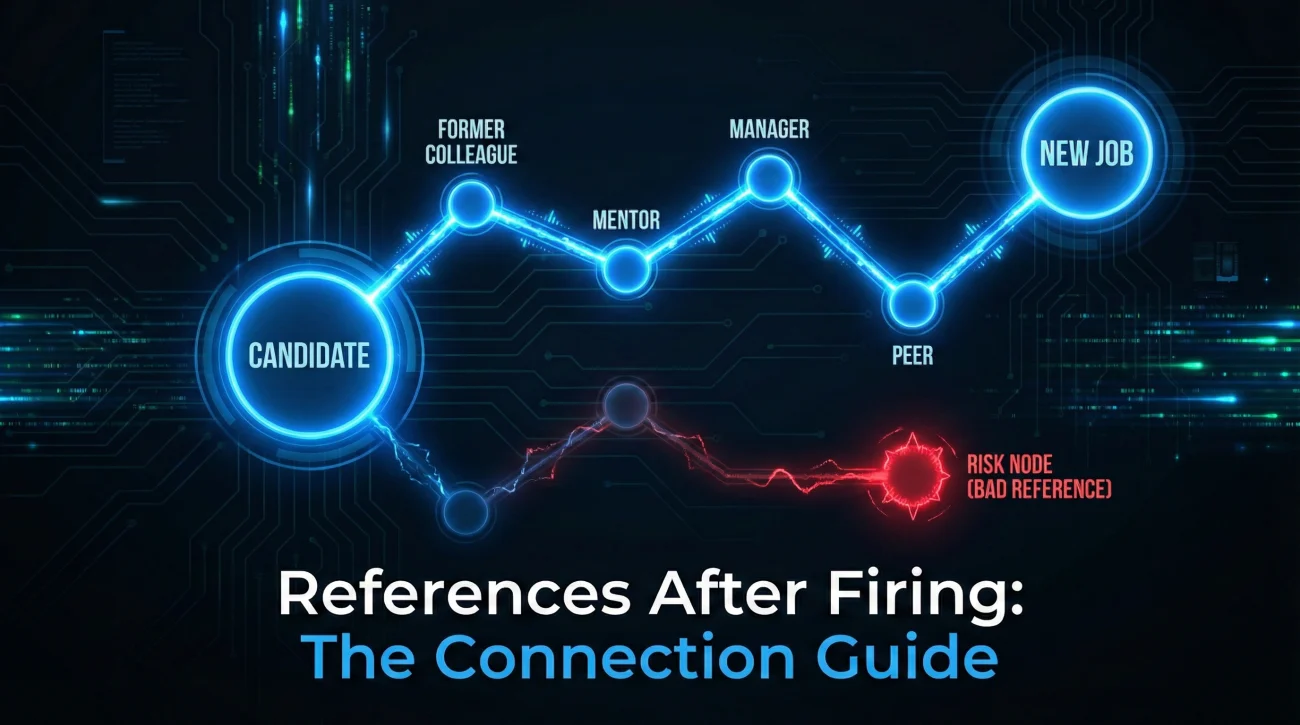
References After Being Fired: How to Prevent Mixed Signals in Reference Checks

How To Handle References After Being Fired

If you were fired, your reference strategy is not about finding “someone nice.” It is about preventing mixed signals like “eligible for rehire.” Build a reference plan first: Who will verify facts, who will speak to performance, and who should not be contacted without your consent. Use a one page reference brief so every referee … Read more

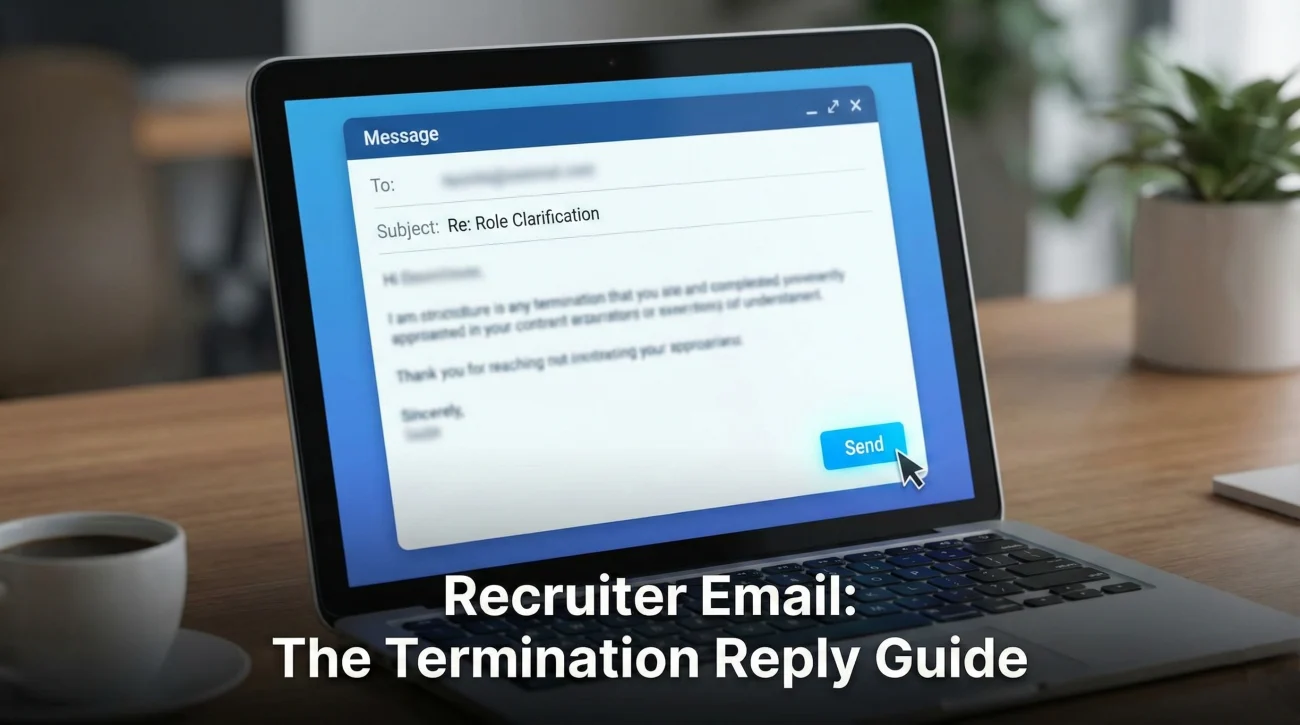
Recruiter Asked About the Termination: 3 Replies That Keep Momentum

Recruiter Message About Being Fired

A recruiter email about termination is a risk check, not a cross examination. Your job is to keep the process moving. Use a simple structure: Neutral category, accountability line, closure signal, forward step. Do not overshare. Do not blame. Do not sound evasive. Write like you are closing a file and returning to work. When … Read more

Should You Tell a Recruiter You Were Fired: Timing Rules That Reduce Damage

Should I Tell Recruiter I Was Fired

You do not owe a recruiter a full story. You owe them a clean, consistent one. Timing is situational: Disclose only when asked, when a form requires it, or when your story could be contradicted later. Your safest answer structure is: Brief accountability, a closure signal, then a fast pivot to proof of fit. The … Read more

Fired After a Short Tenure: Explain It Without Sounding Risky

Fired After 3 Months

A three-month termination creates two risks: Short tenure and a “for-cause” assumption. Your goal is to reduce both, fast. Decide first: Include the job or omit it. The right choice depends on relevance, verification risk, and how your timeline reads. If you talk about it, use a closed-chapter story: A neutral fact, one accountability sentence, … Read more

Reason for Leaving When You Were Fired: Short Application Answers That Don’t Create New Red Flags

Reason For Leaving Fired Application

If you were fired, the application form is not asking for your whole story. It is asking for a stable label that stays consistent later. A good “reason for leaving” line is short, neutral, and matches what a reference check could confirm. Use scenario-based wording, and follow three consistency rules so your paperwork does not … Read more

Eligible for Rehire: How to Answer the Question Without Sounding Defensive

Eligible For Rehire Question How To Answer

The “eligible for rehire” prompt is usually a risk screen, not a morality test. Pick one of four answer paths: Yes, Yes with context, Unknown due to policy, or No with growth and closure. Use bridge lines to move the conversation back to stability signals and performance proof. The Question That Sounds Small and Feels … Read more