- A three-month termination creates two risks: Short tenure and a “for-cause” assumption. Your goal is to reduce both, fast.
- Decide first: Include the job or omit it. The right choice depends on relevance, verification risk, and how your timeline reads.
- If you talk about it, use a closed-chapter story: A neutral fact, one accountability sentence, then a forward signal.
When a Three-Month Job Ends Badly, Recruiters Don’t See “Bad Luck” First
I have watched this exact scenario derail otherwise strong candidates: You land a role, it ends quickly, and suddenly every future conversation starts with suspicion instead of skills. The frustrating part is that many people try to fix it by explaining more. More context, more details, more emotion. That usually makes the risk feel bigger.
Here is the reality from the hiring side: A short tenure termination tends to trigger two silent questions at once. “Will this happen again?” and “What are they not telling me?” If your resume or interview answer accidentally feeds either question, you lose control of the narrative.
One of my former colleagues, Hannah, used to run high-volume screening for operations roles. She told me she could predict the outcome of many short-tenure applications by line three of the resume. Not because the candidate was doomed, but because the wording made the exit feel ongoing, messy, or personal. The fix was almost never “a better excuse.” It was structure.
💡 Pro Tip: In this case, your objective is not to defend yourself. It is to make the situation feel contained, specific, and unlikely to repeat.
In the next sections, you’ll get a decision map, then two clean paths: How to write it if you include the job, and how to handle it if you omit it. You’ll also get a calm 45-second interview script that does not sound rehearsed or risky.
Decide First: Include the Job or Omit It
Most low-quality advice tries to answer this in one sentence: “Always include it” or “Never include it.” Real hiring systems are messier than that. Your choice should be based on what creates the least friction across three places: Your resume, your job application, and employment verification.
As a baseline, verification processes usually confirm dates and titles. Some companies also ask questions like “eligible for rehire.” Occasionally, a separation code exists internally even if you never see it. That’s why the safest strategy is the one that still works if the short job shows up later in the process.
If this whole situation already feels like a threat to your momentum, treat it like a containment problem first, not a storytelling problem. That framing is part of how I approach resume crisis management in real screening environments.
| Situation | Usually safer to include | Usually safer to omit |
|---|---|---|
| The role is highly relevant and you have a measurable win | Yes, if you can list a real deliverable and keep the exit discussion neutral | No, if the “win” is vague and you would be forced into a long explanation |
| The employer is likely to appear in verification | Yes, if you expect to list it on applications anyway | No, only if you can explain the gap cleanly without contradicting your application |
| Your resume already has another short tenure | Yes, but only with strong framing and a longer next role to balance the pattern | Often yes to omit, because stacking short tenures can look like a trend |
| You left your previous role for this job | Often yes, because omitting creates a timeline question | Possible, but only if the gap explanation is credible and consistent |
| The termination reason is emotionally loaded or complicated | Include only if you can describe it in one calm sentence | Omit if it would force you into a story you cannot keep short |
One candidate I worked with, Adrian, had a three-month role end after a rough onboarding. He wanted to hide it, but his application process required listing all employers in the last few years. That meant “omit it from the resume” did not solve the real problem. It just moved the problem to a later stage, when you have less control.
⚠️ Warning: If you omit a short job from your resume but list it on applications, make sure your dates and titles still match across records. Discrepancies create scrutiny faster than the short tenure itself.
Now let’s walk both paths, starting with the one that tends to create the cleanest storyline when you do include it.
If You Include It, Write a Closed-Chapter Line
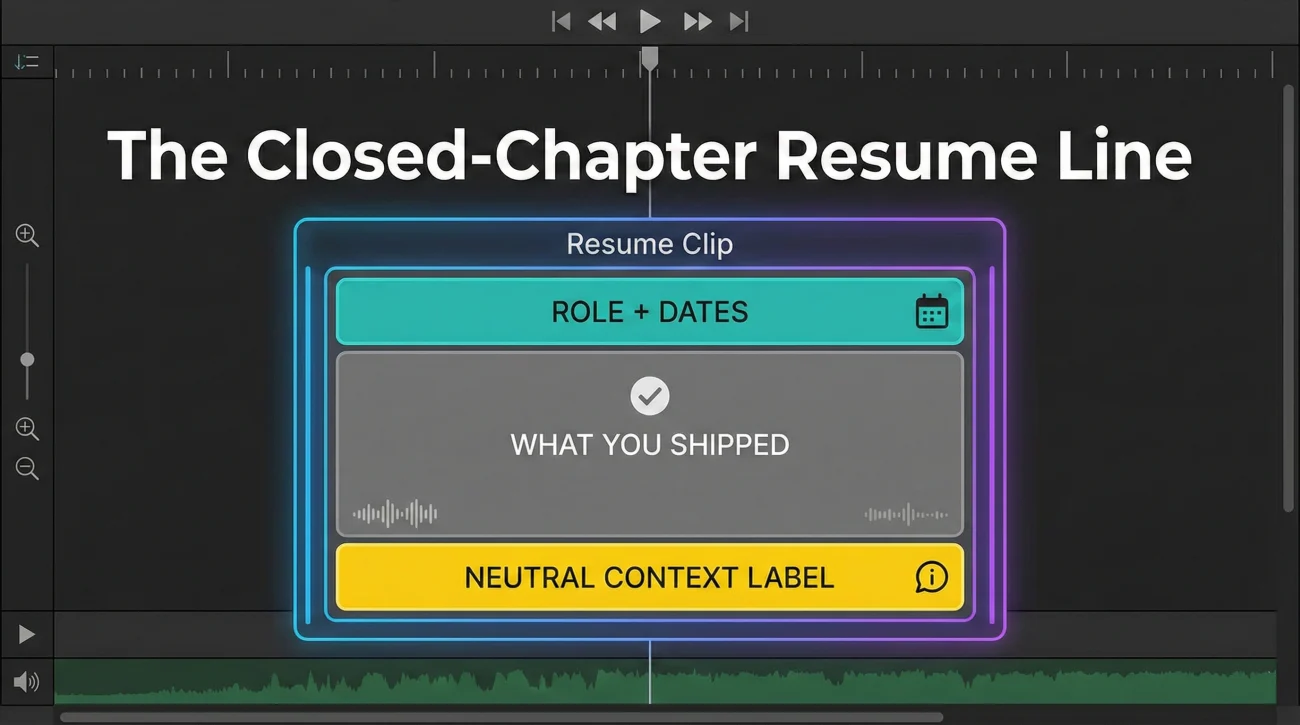
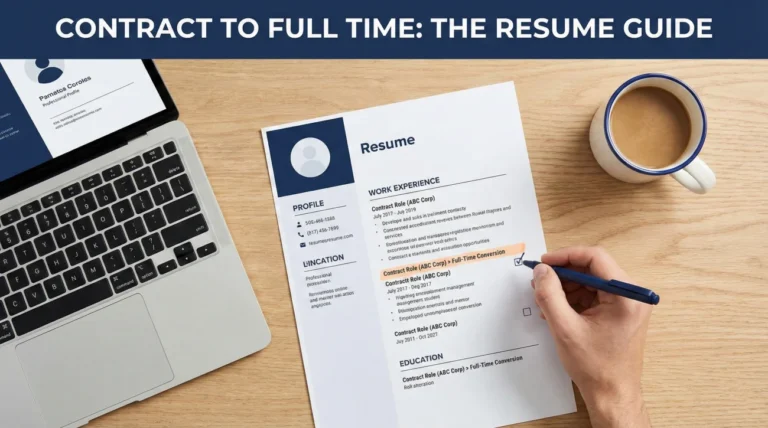
The mistake I see most often is treating the resume like a confession. You do not need to explain the termination on the resume. You need to present the work you did in a way that feels stable, bounded, and professional.
Use this structure to keep your wording from spiraling:
[Role + Company + Dates] + [What you shipped] + [Optional neutral context label]
Notice what is missing: Blame, emotion, and “here is what happened.” Save that for a short interview answer if asked.
Pick One Proof Marker, Not a Paragraph of Defense

A proof marker is a concrete artifact that makes the three months feel real: A shipped report, a handoff deck, a dashboard, a documented process, a completed implementation ticket. You do not need a miracle achievement. You need something tangible.
One of my friends in HR analytics, Jen, calls this “leaving a footprint.” Even when a role ends early, a footprint reassures people you did not just disappear into drama. That is the point.
– Built a weekly KPI dashboard (OTIF, backlog aging, dock-to-stock) used in staff planning reviews
– Standardized exception tagging to reduce manual triage time for the dispatch team
Use a Neutral Context Label Only When It Reduces Confusion
Sometimes a short label helps the reader interpret the timeline without inventing a story. If you use one, keep it factual and brief. Do not use labels that sound like an argument.
- Terminated after probation period works only if everything else stays calm and outcome-focused.
- “Short-term role” works when the company truly treated it like a trial arrangement.
- “Role ended during onboarding” can work if you do not add details right after it.
❌ Note: Avoid labels like “wrong fit,” “toxic manager,” or “unfair termination.” Even if true, those phrases make the risk feel alive.
When you feel tempted to add “just one more sentence” after that, pause. That extra sentence is usually where the tone turns defensive, and defensive reads like ongoing conflict.
Key Point: A short tenure does not become “risky” because it is short. It becomes risky when your wording sounds like the conflict is still happening.
Date Precision: Keep It Consistent Across the Resume
Use the same date format across all roles. If you use month and year for one job, use it for all jobs. Consistency is a quiet trust signal. Inconsistency looks like manipulation, even when it is accidental.
If you are debating whether this job belongs on the resume at all, the next section is the clean “omit” path that does not rely on hope.
If You Omit It, Handle Applications Like an Adult Record
Omitting a three-month job from a resume can be reasonable. A resume is a curated document. The issue is what happens next, because job applications and verification are reconciliation systems.
When the Application Asks for “All Employers,” Answer That Literally
This is where people accidentally create the worst version of the story. They omit the job everywhere, then panic when the process surfaces it. Or they list it but change dates to make it look longer or shorter. That is how discrepancies happen.
If an application asks for all employers in a time period, list it there, even if it is not on your resume. Keep the explanation field short and neutral. Your goal is consistency, not perfection.
💡 Pro Tip: Think of the resume as marketing, and the application as documentation. You can curate marketing. You should not improvise documentation.
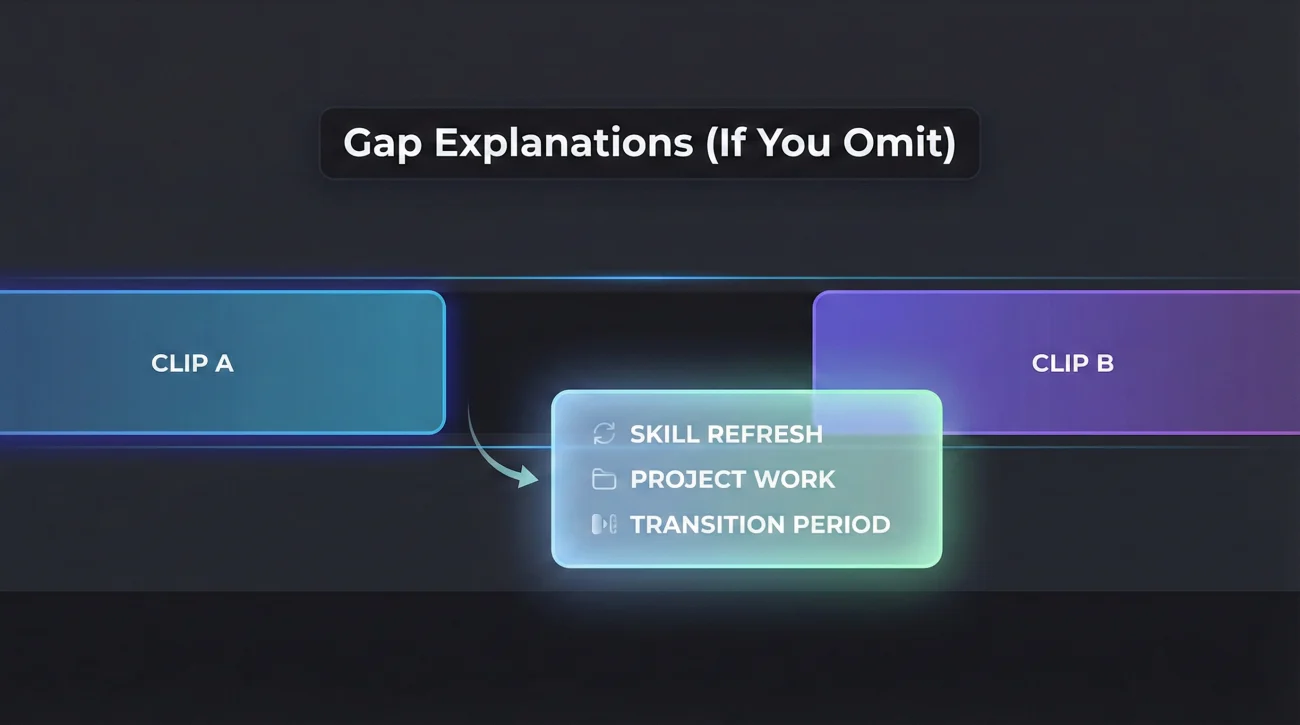
Explain the Gap Without Inventing a New Persona
When candidates omit the job, they often feel forced to replace it with a dramatic narrative. That can backfire if it does not match the rest of the timeline.
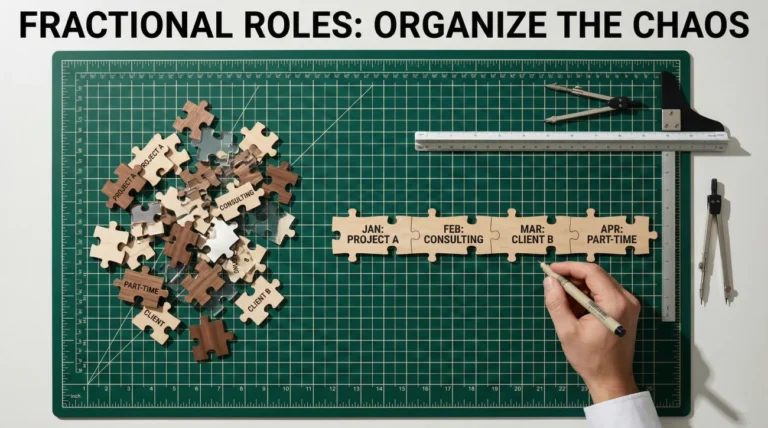
Instead, use a simple gap description that is compatible with many situations: Professional development, structured job search, project-based work, or a short transition period. Keep it boring. Boring is stable.
- ✅ “Focused on targeted interviewing and skill refresh in [tool or domain].”
- ✅ “Completed project-based work while evaluating next full-time fit.”
- ✅ “Handled a short transition period and returned to full-time search.”
Build a Strategy That Still Works If the Job Surfaces Later
Some employers use third parties or internal systems that make short jobs easy to verify. You do not need to fear that. You just need a storyline that does not collapse if someone asks about it later.
If your entire plan relies on “they will never find out,” you are handing your confidence to luck. The better plan is simple: Keep dates accurate, keep wording neutral, and keep your explanation short.
A 45-Second Interview Answer That Lowers Risk Instead of Raising It

Interview answers fail when they over-explain, blame, or sound emotionally unresolved. The interviewer is not evaluating your pain. They are evaluating predictability.
Here is a structure for a short tenure termination explanation that stays human without sounding risky:
- Neutral fact: What happened, in one sentence.
- Ownership: One sentence about what you learned or what you would do differently.
- Forward signal: Why that issue will not repeat in this role, tied to a concrete behavior.
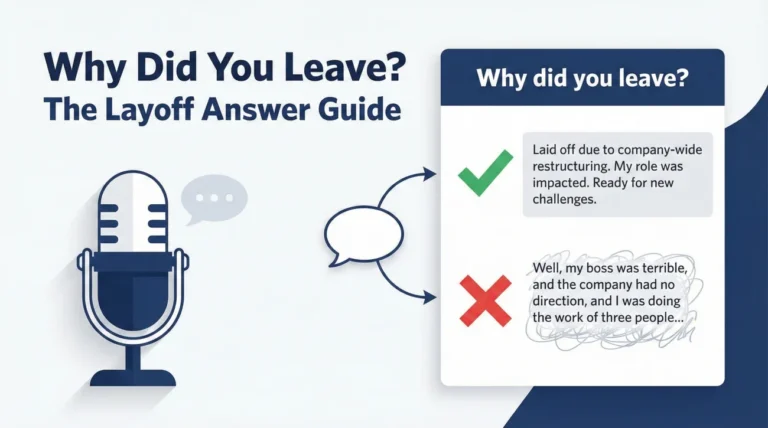
“The role ended during my early ramp. The expectation and the pace were not aligned, and I learned I need to confirm success metrics and support upfront instead of assuming they will evolve. Since then, I’ve tightened my onboarding approach, I set 30-60-90 checkpoints, and I’m looking for a team where those expectations are explicit. That’s why this role stands out to me.”
Notice what this answer does not do: It does not argue about fairness. It does not imply the company was evil. It does not invite a debate. It gives closure.
If You Prefer a More Structured Version, Use a Short STAR
This is useful when the interviewer pushes for detail and you want to stay calm. Keep each part short. You are not writing a memoir.
Situation
I joined a team with a fast ramp and limited onboarding structure. The first month was mostly reactive work and unclear priorities.
Task
My job was to stabilize my deliverables quickly and align on what “good” looked like in the first 30 to 60 days.
Action
I delivered on immediate priorities, and I asked for success metrics and weekly checkpoints. I also learned what questions I should have asked earlier to confirm fit and support.
Since then, I have made those questions part of my process so I do not repeat the same mismatch.
Result
The role ended early, but I took a clear lesson from it and refined how I evaluate expectations and onboarding. I now look for roles where those expectations are explicit and measurable.
If you want the shortest possible version, compress it to two sentences. Just do not compress it into a vibe. Recruiters cannot evaluate a vibe.
What Recruiters Listen For When You Say It Ended After Three Months
When you are trying to figure out how to explain being fired in an interview, it helps to understand what the listener is scoring, even if they never say it out loud.
They are trying to detect repeat risk
Repeat risk is not about morality. It is about predictability. Your answer should reduce repeat risk by showing a behavior change, not a personality claim.
- ✅ “I use checkpoints and clarify success metrics early.”
- ✅ “I ask for examples of what good performance looks like in the first 30 days.”
- ✅ “I align priorities weekly in the first month to avoid surprises.”
They are watching for red flags that expand the story
These phrases tend to expand the story and invite probing:
- “It was political.”
- “My manager didn’t like me.”
- “They set me up to fail.”
- “It came out of nowhere.”
Could those be true? Absolutely. But if you lead with them, you are asking the interviewer to join your conflict. Most will not.
⚠️ Warning: If you were terminated for a policy issue or misconduct, do not try to disguise it with vague language. Keep the facts minimal, and focus on what changed. Avoid details that create new questions.
If you are still stuck on the resume decision, ask yourself one final question: What version of this story would feel boring to an outsider? That is usually the safest version.
Final: Make It Sound Finished, Not Fragile
If you were fired after 3 months, you do not need a dramatic narrative to recover. You need a tight decision, consistent records, and a short explanation that ends with a forward signal.
The strongest candidates I have seen in this situation did one thing well: They stopped trying to win sympathy and started trying to feel predictable. That shift changes how your resume reads, how your interview lands, and how you move through hiring steps without fear.
❓FAQ
🎯 Should I list a three-month job if I was terminated?
It depends on relevance and verification risk. If the role is directly relevant and you can show a real deliverable, listing it can be cleaner. If it adds a second short tenure or forces a long explanation, omitting it can be smarter, as long as your application and timeline stay consistent.
🧭 Will a background check show that I was fired?
Many checks focus on verifying employment dates and titles. Some processes may include rehire eligibility questions. Your safest approach is to keep your story consistent across resume, applications, and interviews.
🧩 What do I say if the application asks for the reason for leaving?
Use a neutral, factual phrase and keep it short. Avoid emotional language and avoid blaming. If there is a text box, one calm sentence is enough, followed by a forward-focused line about what you learned or how you adjusted your approach.
🛠️ How do I answer if the interviewer pushes for details?
Use a three-part structure: Neutral fact, one accountability sentence, then a forward signal tied to a specific behavior. If you keep it contained, most interviewers will move on once they feel the situation is finished.
🌿 Is it ever better to omit the job from the resume but still disclose it later?
Yes. A resume can be curated, but applications sometimes require complete history. If you omit it on the resume, be prepared to disclose it on applications that ask for all employers. The key is consistency in dates and titles so you do not create discrepancies.
⚠️ Disclaimer: ResumeSolving provides resume, cover letter, job search communication, and career transition guidance for informational purposes only. Hiring practices vary by employer, role, location, industry, and individual circumstances. We do not guarantee interviews, job offers, ATS results, or other outcomes. Verify employer requirements directly and follow applicable laws and workplace policies. For sensitive situations, use only information you are comfortable disclosing and keep all statements accurate.