Still Employed in a Toxic Job: How to Answer Why You Are Leaving

How To Answer Why You Want To Leave Your Current Job Toxic Workplace

If you are still employed, your answer must sound controlled: Short, neutral, and closed. Use one boundary sentence to stop follow-up probing, then pivot to what you want in the next role. Bring scripts for recruiter screens and deeper interviews so you do not improvise under stress. Still Employed, Still Exhausted: The Answer That Keeps … Read more
Toxic Workplace on a Resume: When to Add a Note (And When Not To)

Toxic Workplace Resume Explanation Line

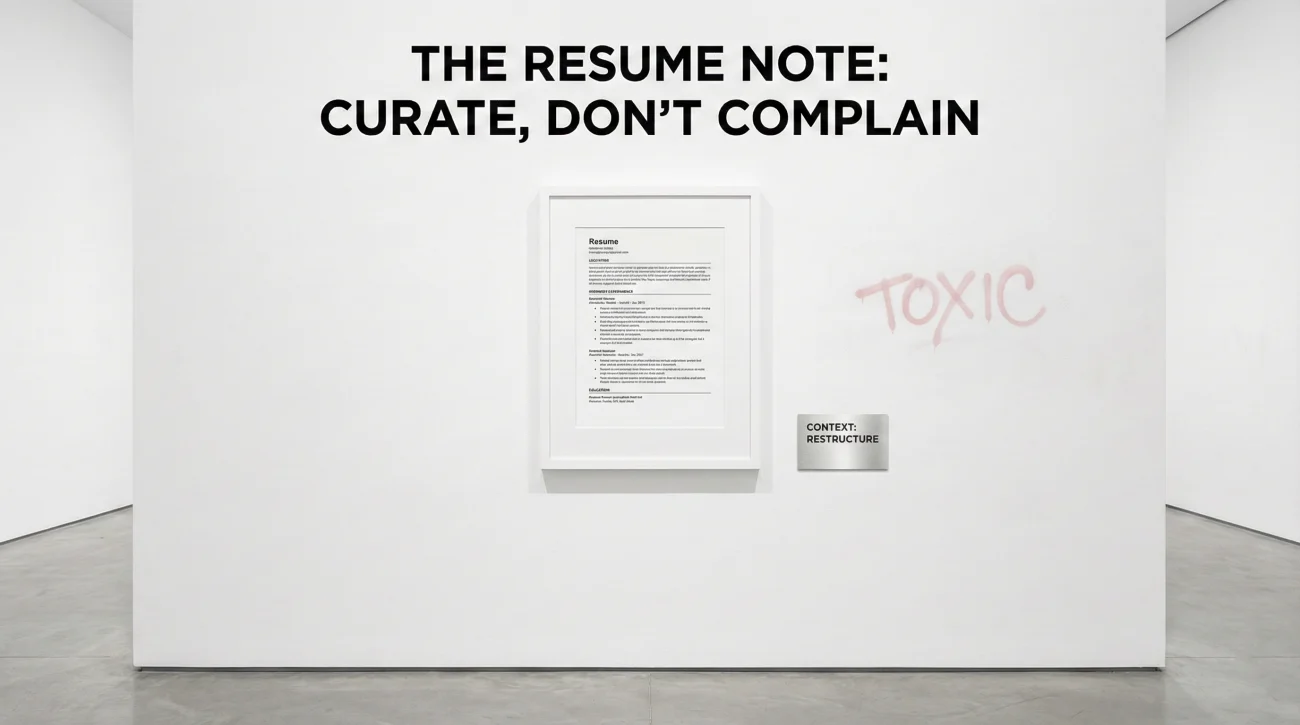
If your resume already reads clean, you usually do not need a “toxic workplace” note. Add a note only when it prevents a predictable misunderstanding: Timeline confusion, ultra-short tenure, or a name change that triggers reference questions. The best note is neutral, closed, and boring. It signals: “This chapter ended. I am available.” The Resume … Read more

Culture Fit After a Toxic Job: How to Describe What You Want Without Sounding Bitter

How To Talk About Culture Fit In Interview After Toxic Workplace

You can talk about culture after a toxic workplace by stating requirements, not recounting events. Translate “what went wrong” into 2 or 3 positive constraints and one proof signal that you are easy to work with. Use the copy ready requirements statements and examples below to answer culture fit questions without sounding bitter. Culture Fit … Read more

Recruiter Asked Why You Left: 3 Replies That Stay Neutral

Recruiter Message Why Leaving Toxic Job

If a recruiter asks why you left, your job is to keep momentum, not to tell the whole story. Use one neutral reason category, one stability signal, then ask for the next step. Below are 3 copy ready replies, plus subject lines and closers that move to scheduling. When The Recruiter Message Is One Line, … Read more

Reason for Leaving: Toxic Workplace Answers for Applications (12 Safe Options)

Reason For Leaving Toxic Workplace Application

Application forms are classification tools, not confession boxes: You are being sorted into a bucket. Use one neutral reason everywhere, then add a closure signal so it reads like a finished chapter. Pick a short template that fits your situation, and avoid loaded phrases that trigger follow-up questions. Why The “Reason For Leaving” Field Feels … Read more

Should You Tell a Recruiter It Was Toxic: Timing, Risk, and 3 Scripts That Stay Professional

Should I Say Toxic Workplace To Recruiter

You usually do not need the word “toxic” to be truthful. Recruiters screen for risk, not your full story. Use a timing rule: Start neutral, add one concrete boundary only if they press, and always close with what you want next. Keep three scripts ready: one for the first screen, one for a direct follow … Read more

Left a Toxic Workplace After 3 Months: Explain It Without Sounding Dramatic

Left A Toxic Workplace After 3 Months

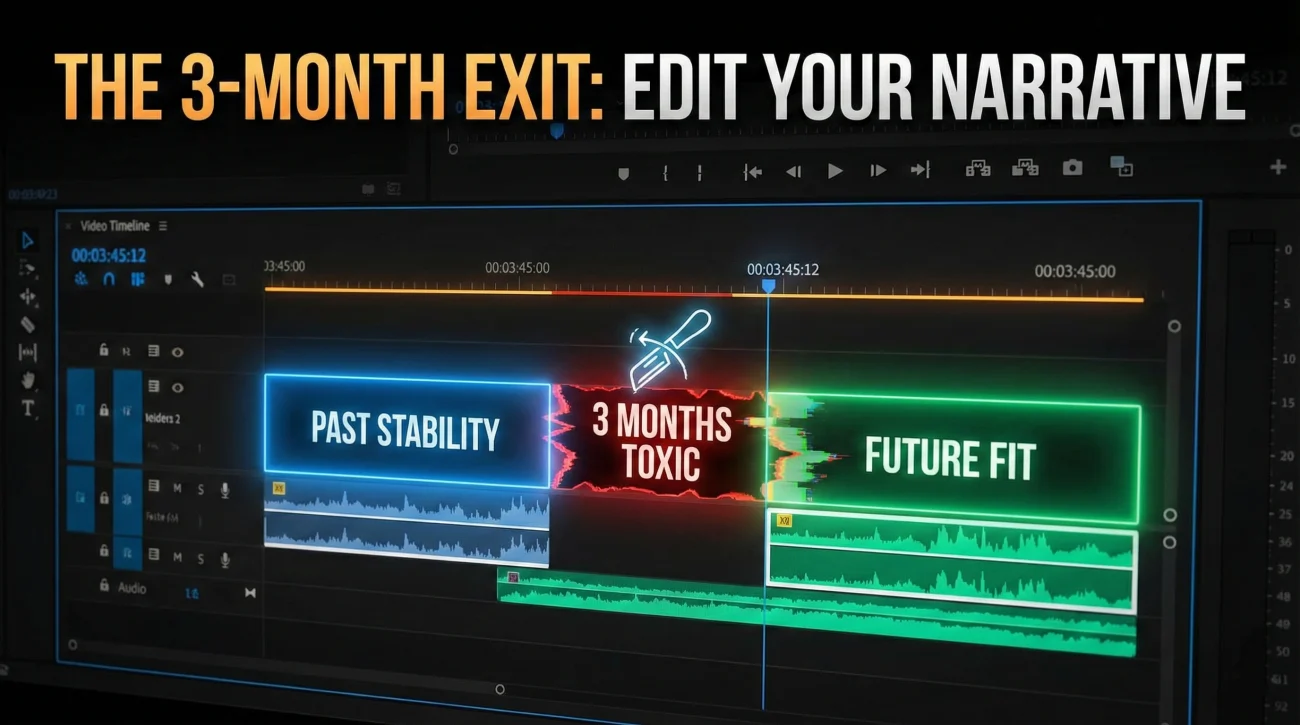
Use a three-part answer: role reality mismatch, professional response, forward-fit signal. Decide first whether the job belongs on your resume. Your interview story should match that decision. The Problem Is Not “Toxic”. It’s The Story People Think Comes With It. I have seen strong candidates lose momentum over a three-month job, not because they left, … Read more

Quit a Toxic Job Without Another Offer: A Credible Interview Explanation

Quit A Toxic Job Without Another Job Interview Answer

If you quit without another offer, they are testing judgment and stability, not your ability to “stay positive.” Use a two sentence spine: One neutral reason, one closure signal, one forward fit, then add one credibility cue that proves you will not repeat the same exit pattern. The Question Behind The Question I have interviewed … Read more

Left Because of a Bad Manager: Say It Without Sounding Bitter

Left Because Of A Bad Manager Say It Without Sounding Bitter

If you left because of a difficult manager, your goal is not to “prove you were right.” Your goal is to sound stable, coachable, and selective. Use a neutral truth framework: A factual signal, one impact on the work, and a clean closure that explains why leaving was the responsible choice. Bring scripts and pivots. … Read more

Hostile Work Environment: What to Say Without Making It a Legal Story

Hostile Work Environment Interview Answer

Your goal is not to prove anything. Your goal is to sound stable, employable, and done with the story. Avoid legal labels. Describe work conditions and fit, then close the loop with one clean next-step sentence. Use one core script, then pick an alternative based on how sensitive the interviewer seems and how much you … Read more