How to Explain Being Fired in a Cover Letter: 2 Templates That Sound Steady, Not Defensive
How To Explain Being Fired In A Cover Letter

If you were fired, your cover letter usually should not “confess.” It should prevent the reader from inventing a scarier story than the real one. Use a 3-part paragraph: Neutral fact, clear closure, and a forward-looking fit signal that matches the role. Copy one of the two templates, then swap in a sentence from the … Read more
References After Being Fired: How to Prevent Mixed Signals in Reference Checks

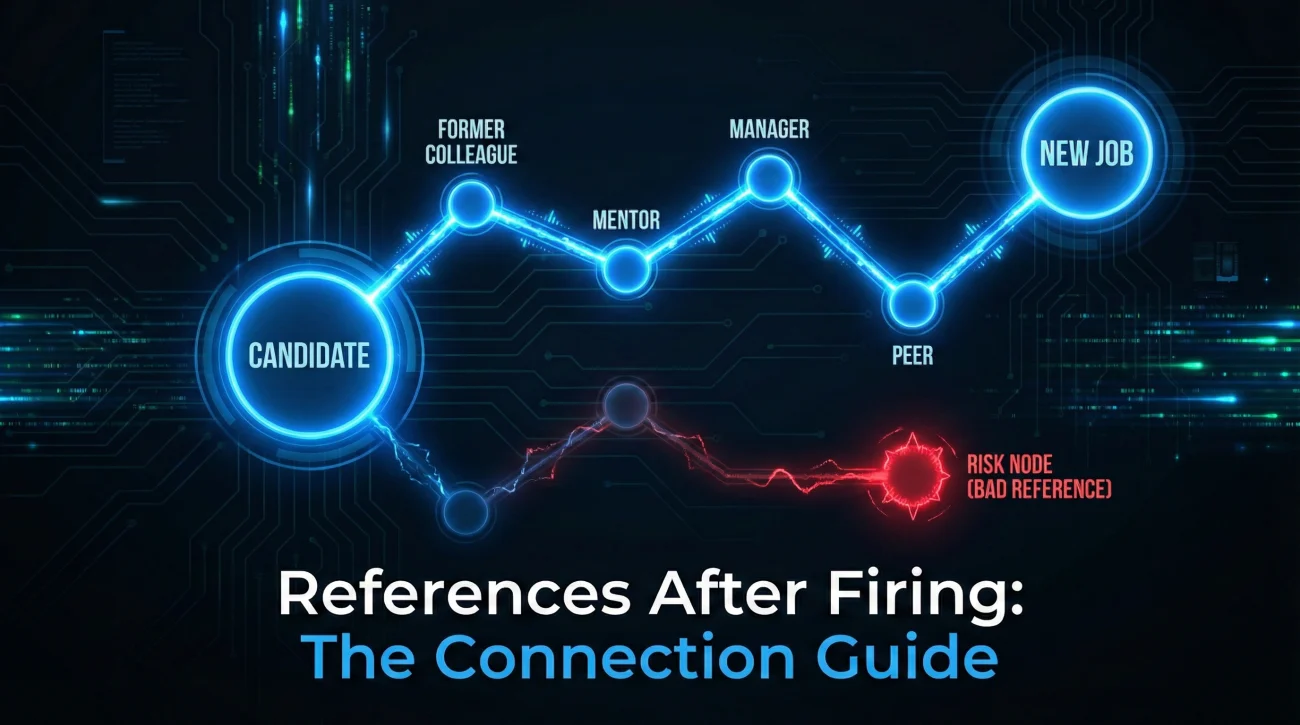
How To Handle References After Being Fired

If you were fired, your reference strategy is not about finding “someone nice.” It is about preventing mixed signals like “eligible for rehire.” Build a reference plan first: Who will verify facts, who will speak to performance, and who should not be contacted without your consent. Use a one page reference brief so every referee … Read more

Recruiter Asked About the Termination: 3 Replies That Keep Momentum

Recruiter Message About Being Fired

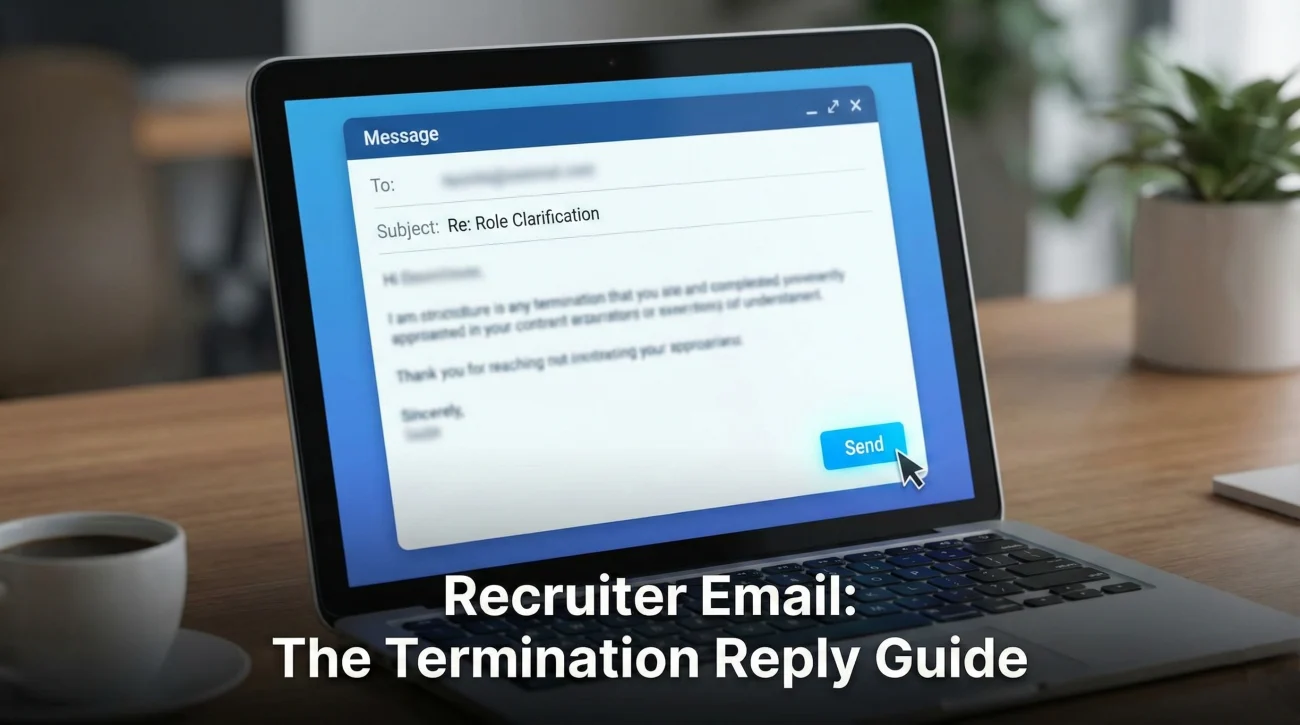
A recruiter email about termination is a risk check, not a cross examination. Your job is to keep the process moving. Use a simple structure: Neutral category, accountability line, closure signal, forward step. Do not overshare. Do not blame. Do not sound evasive. Write like you are closing a file and returning to work. When … Read more

Should You Tell a Recruiter You Were Fired: Timing Rules That Reduce Damage

Should I Tell Recruiter I Was Fired

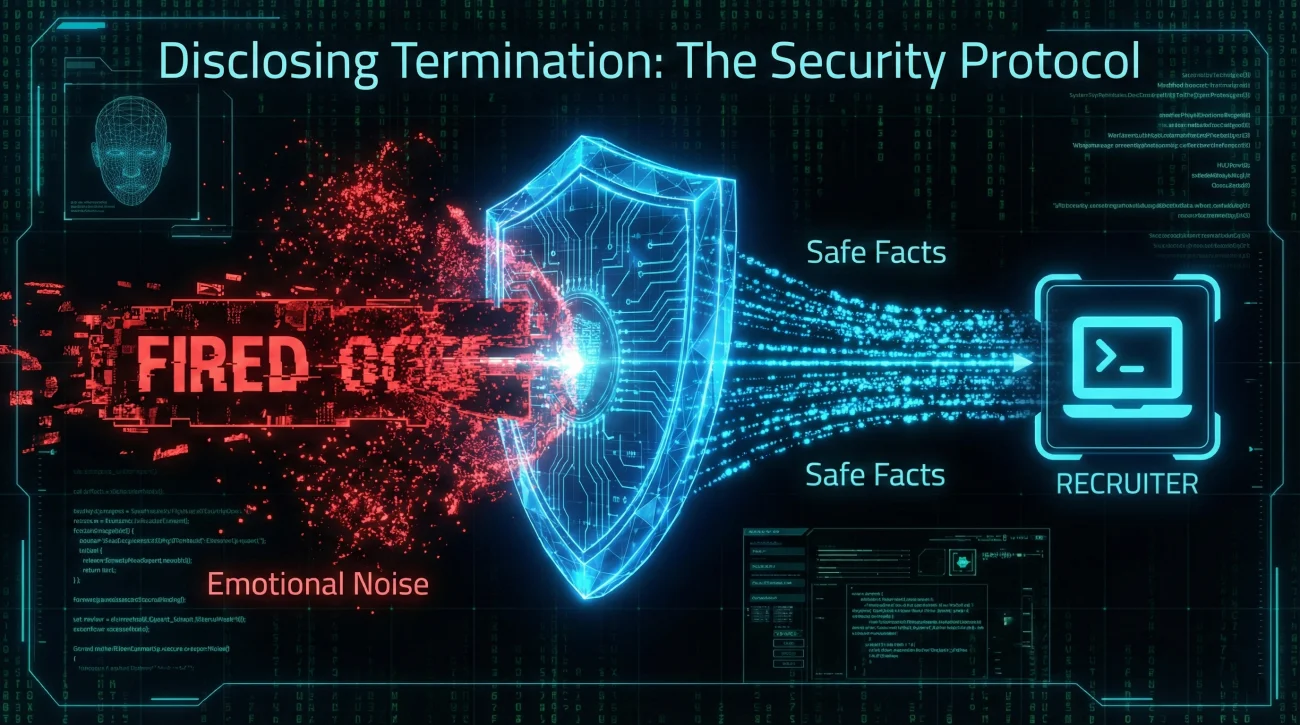
You do not owe a recruiter a full story. You owe them a clean, consistent one. Timing is situational: Disclose only when asked, when a form requires it, or when your story could be contradicted later. Your safest answer structure is: Brief accountability, a closure signal, then a fast pivot to proof of fit. The … Read more

Fired After a Short Tenure: Explain It Without Sounding Risky

Fired After 3 Months

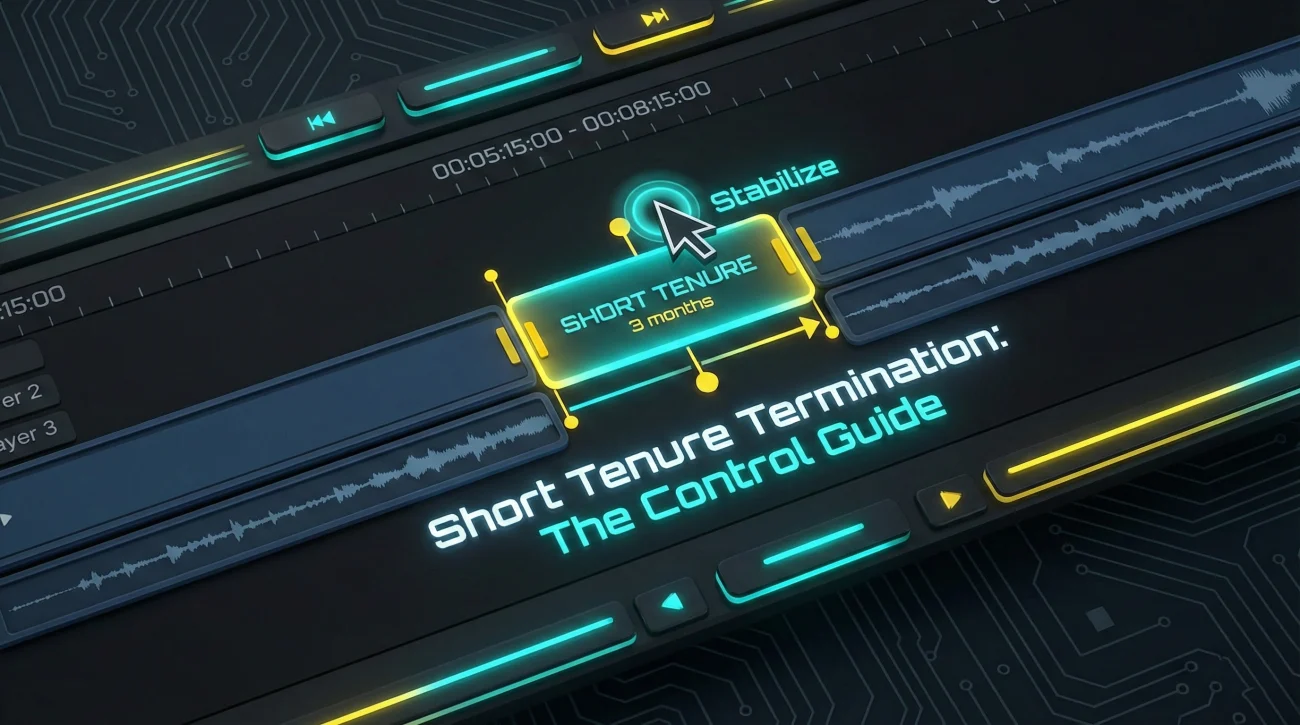
A three-month termination creates two risks: Short tenure and a “for-cause” assumption. Your goal is to reduce both, fast. Decide first: Include the job or omit it. The right choice depends on relevance, verification risk, and how your timeline reads. If you talk about it, use a closed-chapter story: A neutral fact, one accountability sentence, … Read more

Reason for Leaving When You Were Fired: Short Application Answers That Don’t Create New Red Flags

Reason For Leaving Fired Application

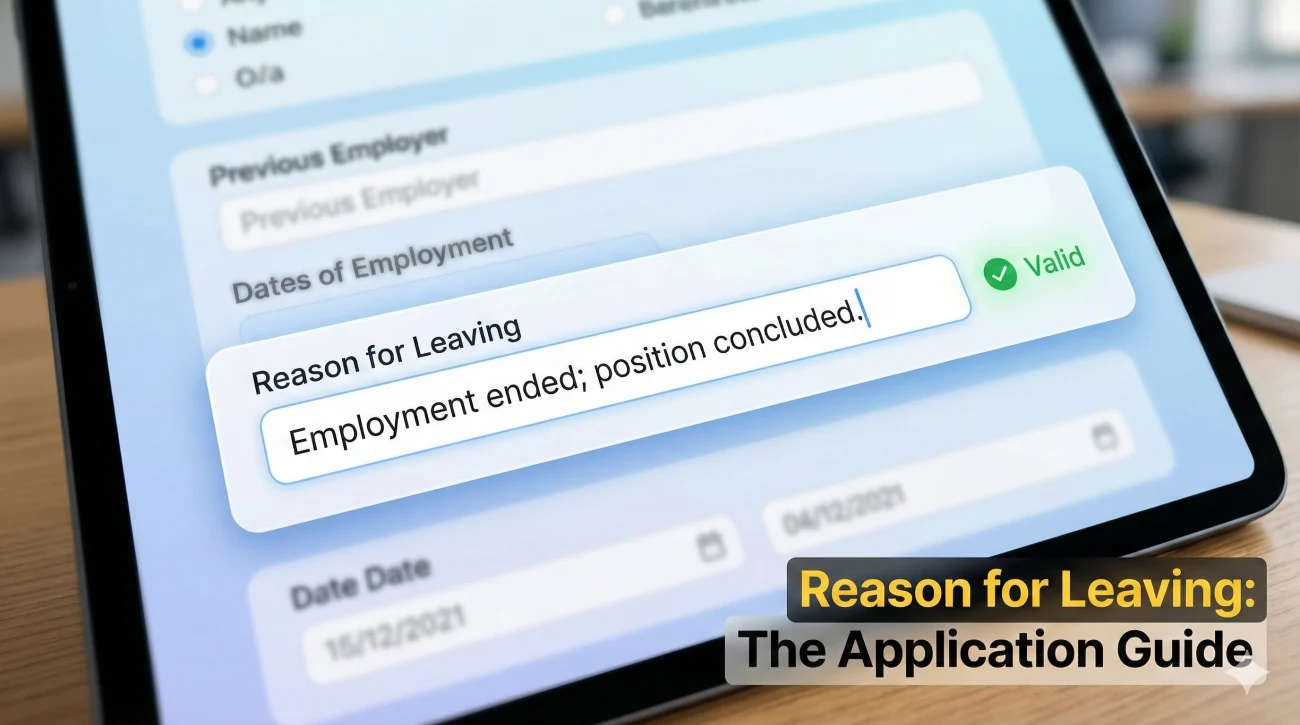
If you were fired, the application form is not asking for your whole story. It is asking for a stable label that stays consistent later. A good “reason for leaving” line is short, neutral, and matches what a reference check could confirm. Use scenario-based wording, and follow three consistency rules so your paperwork does not … Read more

Eligible for Rehire: How to Answer the Question Without Sounding Defensive

Eligible For Rehire Question How To Answer

The “eligible for rehire” prompt is usually a risk screen, not a morality test. Pick one of four answer paths: Yes, Yes with context, Unknown due to policy, or No with growth and closure. Use bridge lines to move the conversation back to stability signals and performance proof. The Question That Sounds Small and Feels … Read more

Fired for Attendance: Explain It Without Sounding Unreliable

Fired For Attendance Interview Answer

If you were fired for attendance, your goal is not persuasion. Your goal is predictability: One clean sentence, one fix, one proof marker. Never turn attendance into a life story. Give a closed chapter, then show a stability system you now run. Use two to three “stability signals” that match the job type (shift work, … Read more

Fired for Performance: A Calm Answer That Shows Growth Without Sounding Defensive

Fired For Performance Interview Answer

If you were fired for performance, your goal is not to “defend” yourself. Your goal is to sound stable, self-aware, and already corrected. A calm answer needs one ownership line, one concrete change, and one proof cue. Without proof cues, you sound like you are still guessing. Use two versions of the script: 20 seconds … Read more

What Did You Do Wrong: Answer Without Self-Sabotage (With 5 Accountability Patterns)

How To Answer What Did You Do Wrong Interview

This question is not about perfection. It is a test of ownership, judgment, and whether you build repeatable fixes. Pick a mistake that is real but containable, then anchor it to a change in process, not a dramatic personality confession. Answer once, cleanly. Then be ready for follow-up questions that try to push you into … Read more