Contract and Project Dates: How to Show Time Without Looking Unstable

How To List Contract Work Dates On Resume

If your contract timeline looks chaotic, recruiters assume your work was chaotic too. Your job is to make the time story feel intentional. Pick one of 3 layouts: Umbrella role with projects, Client-by-client entries, or One client with renewals compressed. Use month and year, label the relationship clearly, and keep the format consistent so short … Read more
Overlapping Jobs on a Resume: How to Show Two Roles Without Looking Messy

Overlapping Dates On Resume

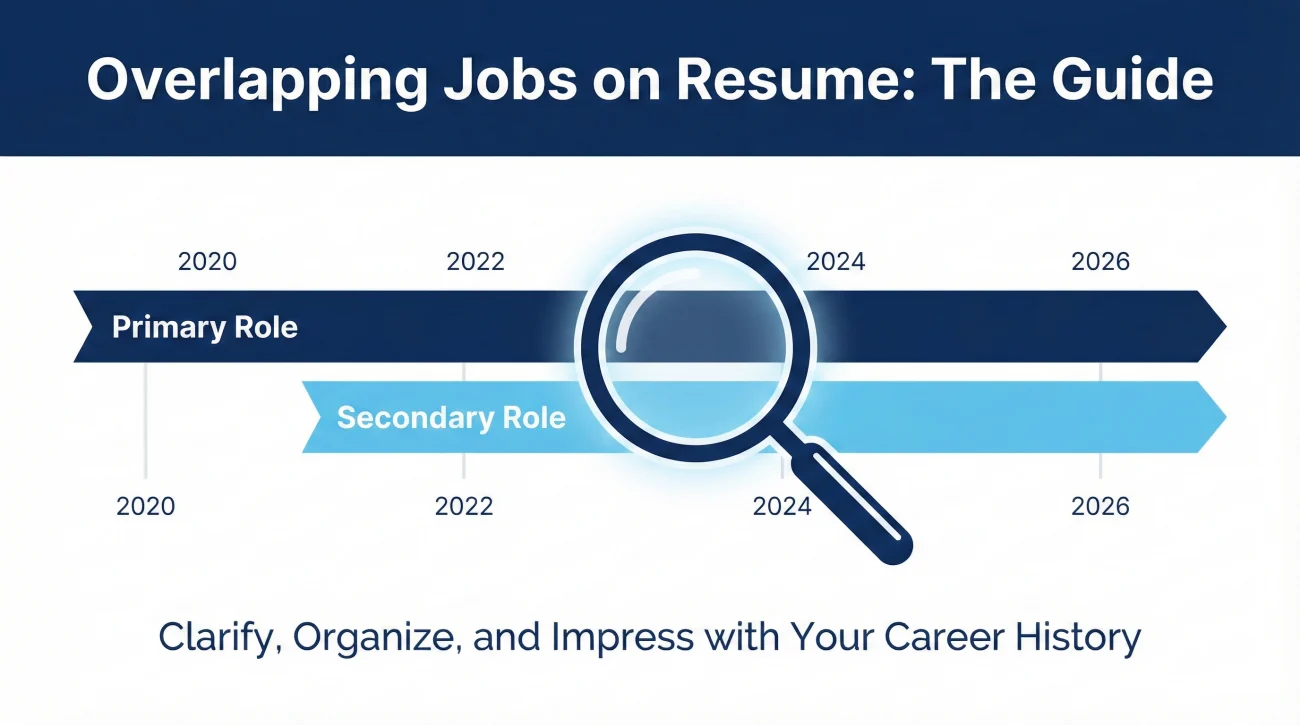
If your dates overlap, the resume must answer one thing fast: This was intentional, not a typo. Use month-year dates, pick one “primary” role, and keep the secondary role visually lighter. Only add a micro-explanation when the overlap could look like split loyalty or double full-time. Why Overlaps Make Recruiters Squint I have seen recruiters … Read more

Should You Include Months on a Resume: When Year-Only Helps and When It Hurts

Include Months On Resume

Use Month + Year for any role in the last 3 to 5 years, any role under 12 months, or any role that is core proof for the job you want. Use Year-only for older background roles where months add noise, not clarity (especially early-career or low-relevance experience). Best default: Hybrid. Recent roles use Month … Read more

How to List Employment Dates on a Resume Without Looking Like You Are Hiding Something

How To List Employment Dates On Resume

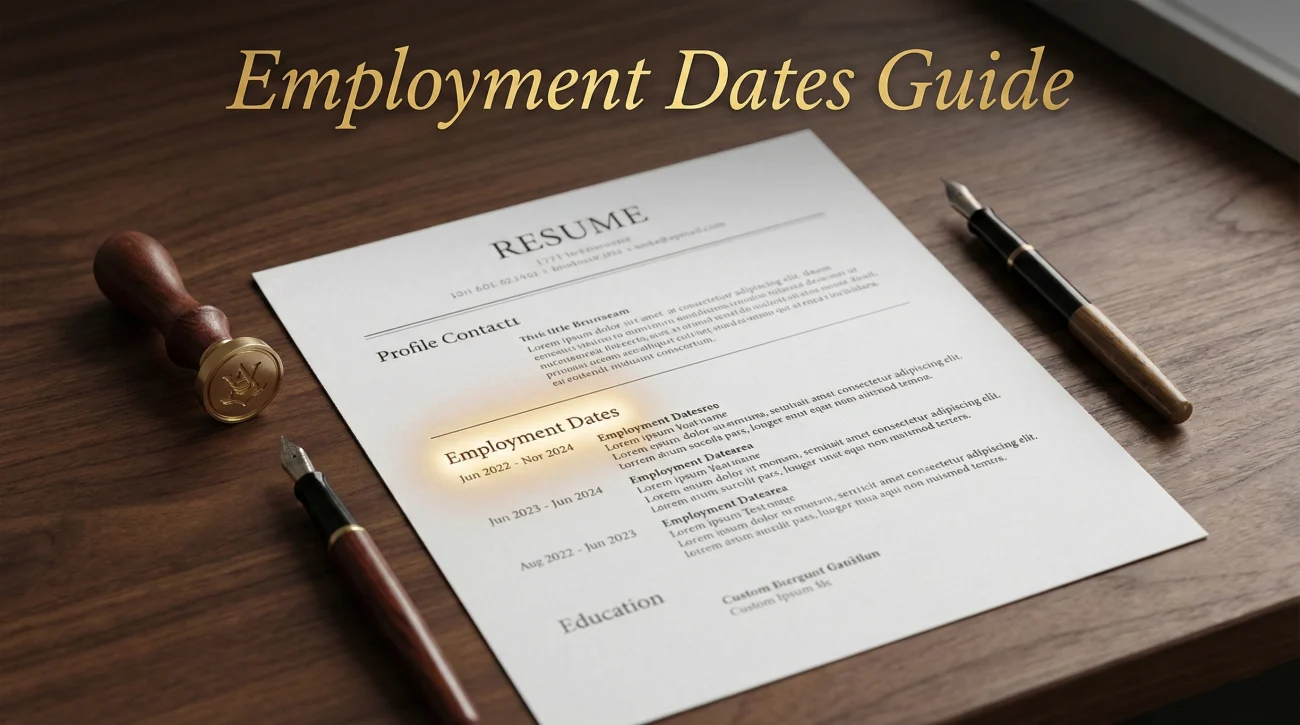
Employment dates are a trust signal: The goal is to remove ambiguity, not to look “clever.” Pick one month-year style, keep it consistent, and handle edge cases with clear structure. Use the six examples to copy patterns for short stints, overlaps, internal promotions, and contract work. Dates Are Not Decoration: They Are a Trust Signal … Read more

Resume Date Format: Month-Year Rules That Look Professional Everywhere

Resume Date Format

Choose one resume date format (Month YYYY or MM/YYYY) and apply it across Experience, Education, and Certifications. Month-Year is the safest default, but year-only can work when you have long tenures and zero short stints to “hide”. Consistency is not just “same format”. It is also spacing, month abbreviations, punctuation, and how you write “Present”. … Read more

How Many Bullet Points Per Job: A Rule That Keeps Your Resume Readable

Where To Put Bullet Points On Resume

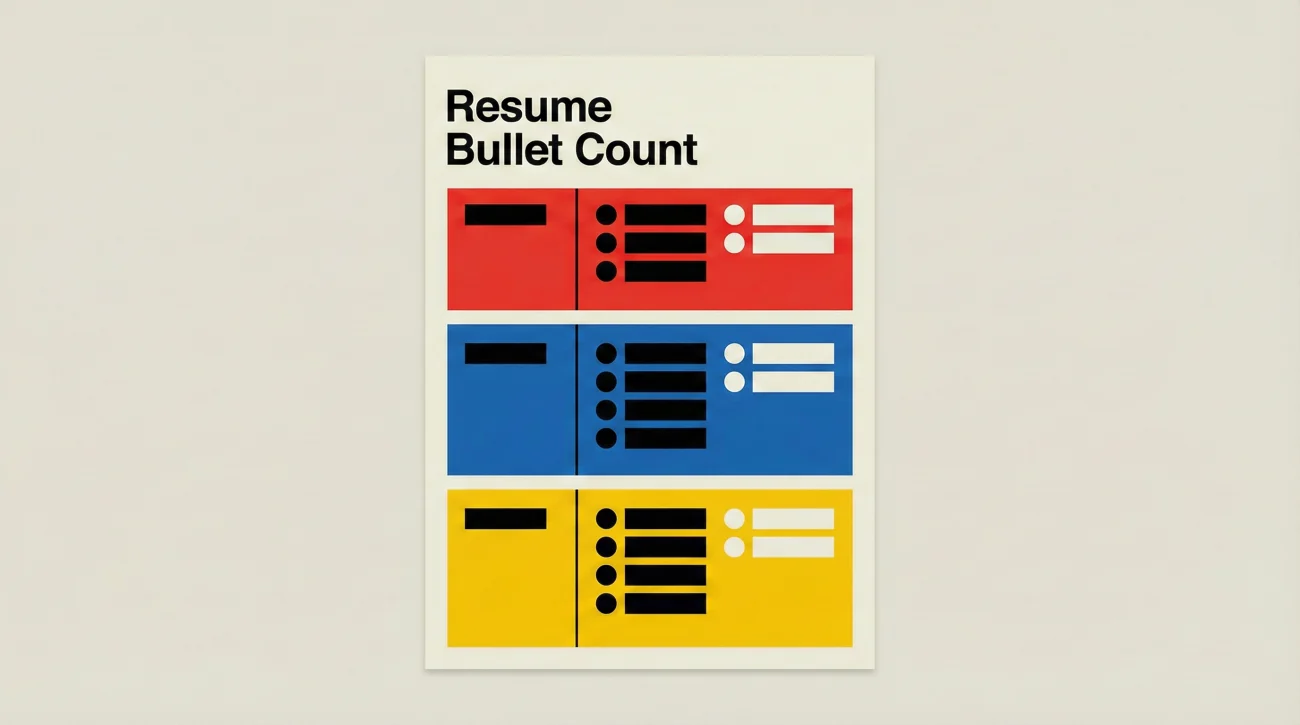
Most resumes look “too long” because one job has too many bullets, not because the resume has too many jobs. Use a simple rule: Relevance + Recency + Responsibility decides whether a role needs 2, 3, 5, or 6 bullets. Put bullets under the job they belong to, then control the count so the role … Read more

Resume Bullet Point Mistakes: 18 Red Flags That Kill Credibility

Resume Bullet Points Mistakes

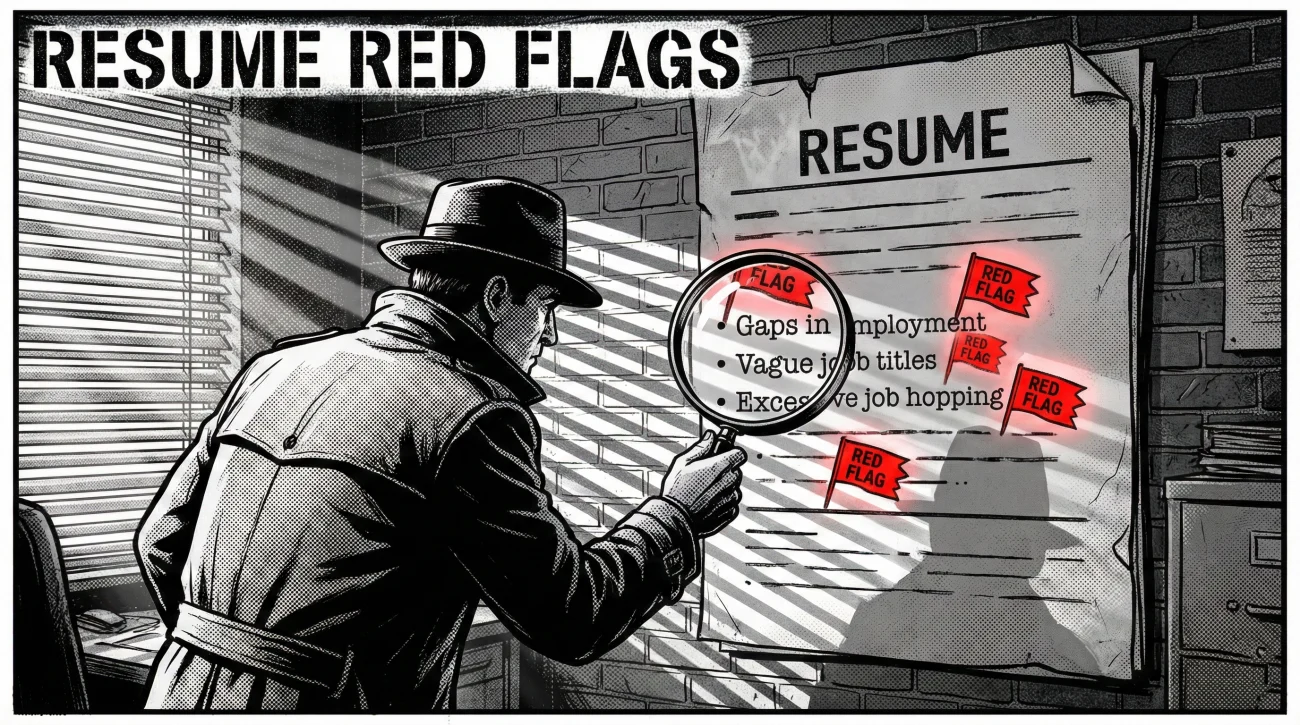
Most bullet problems are not “writing” problems. They are trust problems. If you cannot use metrics, you can still show evidence through scope, constraints, artifacts, frequency, and decision points. Use the 18 red flags as a quick QA pass, then run the 12-minute self-check before you submit. Why One Weak Bullet Can Poison an Entire … Read more

Collaboration Resume Bullets: Proof That You Can Work With Others Without Sounding Generic

Resume Bullet Points For Teamwork

If your bullet could fit any job, it will be read as filler. Add proof nouns: artifacts, constraints, decisions, and handoffs. Use one of 6 collaboration patterns to make teamwork visible: alignment, feedback loops, conflict resolution, handoffs, execution, or client consensus. Steal structure, not sentences: Swap in your tools, stakeholders, and “what changed” so it … Read more

Resume Bullets When You Are Overqualified: How to Downlevel Without Sounding Fake

Resume Bullet Points For Overqualified Candidates

Your titles may look fine, but your bullets can still scream senior scope. Downleveling is not deleting impact. It is dialing down ownership, scope, and stakeholder signals while keeping proof. Use the tables and red-flag list below to rewrite fast, without sounding evasive or fake. When Your Bullets Are The Thing That Makes You Look … Read more

Resume Bullets for Founders: Turn Startup Work into Credible Proof

Resume Bullet Points For Founders

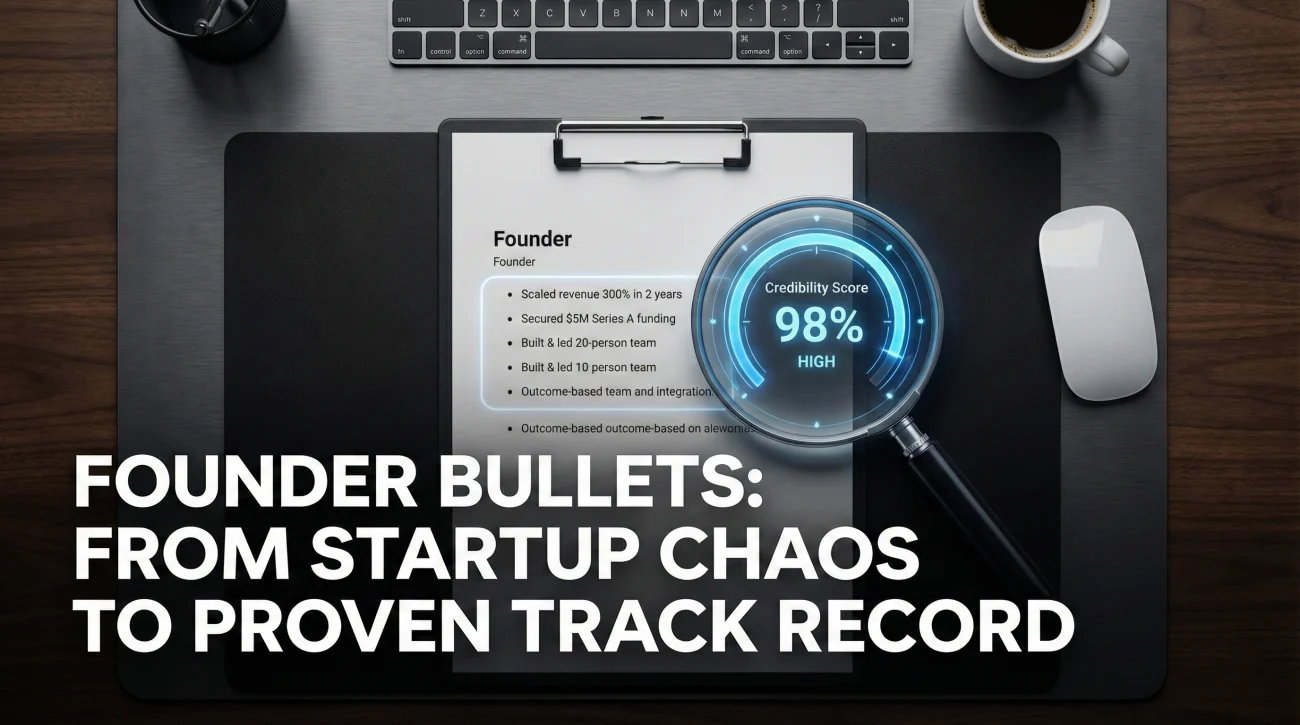
Founder bullets fail when they read like a job list or a pitch deck. You need proof that matches the role you want next. Use 6 founder-specific patterns: Role Translation, Constraint Wins, Growth Loops, Decision Quality, System Build, Team Leverage. Steal from the 20 examples, then swap in your numbers, scope, and constraints without oversharing … Read more

Resume Bullets for Freelancers: Show Reliability Without Sounding Like a Gig Worker

Resume Bullet Points For Freelancers

If your freelance bullets read like tasks, recruiters assume low ownership and shaky reliability. Use 6 repeatable bullet patterns that signal continuity, stakeholder trust, and measurable outcomes. Add small proof hints (cadence, scope, repeat clients) so freelance experience reads like real employment. Freelance Bullets Fail for a Different Reason I once reviewed a resume for … Read more

Resume Bullets for a Career Change: How to Translate Your Past Work Into Proof

Resume Bullet Points For Career Change

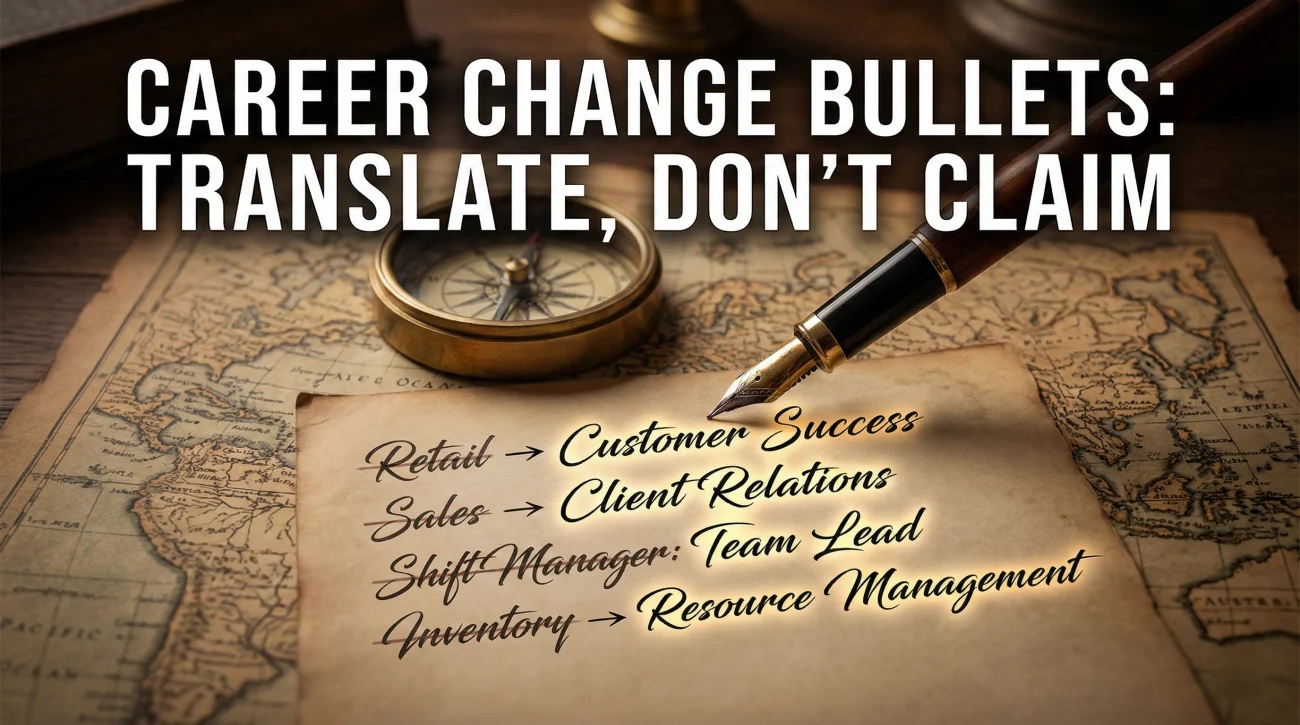
You do not “claim” transferable skills in a career change. You translate old work into new-role proof using outcomes and artifacts. Build a one-page translation map: Old verbs, old nouns, old proof. Then swap nouns to match the target role while keeping the proof honest. Use routing rules: If a bullet sounds like a different … Read more

Stop Using “Responsible For” on Your Resume: Better Bullet Starts That Sound Like Ownership

Responsible For Resume

If your bullet starts with “Responsible for,” it reads like a job description, not proof. Pick a replacement verb based on ownership: Owned, Led, Built, Improved, Coordinated, Maintained, Protected. You can rewrite even without metrics by adding scope, frequency, or a concrete deliverable. Why “Responsible For” Makes Strong People Look Passive I want to start … Read more

Resume Bullet Point Examples: 30 Bullets With Notes on Why They Work

Resume Bullet Points Examples

These resume bullet points examples are designed to sound “done by a real person”, not copied from a template. You will learn “Proof Tokens”: Small details that create credibility even when you do not have perfect metrics. Use the swap list to remove vague verbs and replace them with ownership, scope, and outcome signals. Why … Read more

Action Verbs for Resume Bullets: What Sounds Credible and What Sounds Inflated

Resume Bullet Point Action Verbs

If your verbs feel “bigger” than your job title, the bullet reads like a performance, not proof. Pick verbs by scope: Support, Own, Lead, and Change. Then match the verb to a concrete object. Use the Credibility Test: Could you explain “How, With what, And with which constraints” in 20 seconds? Why Action Verbs Backfire … Read more

Resume Bullet Points Without Numbers: How to Show Impact Without Making Up Metrics

Resume Bullet Points Without Numbers

You do not need fake numbers. You need proof that feels specific, testable, and anchored in real work. Use 8 non numeric proof patterns: Scope, Complexity, Constraints, Quality, Risk, Stakeholders, Systems, and Before-After clarity. Steal the 20 bullet examples and the “do not do” list to avoid bullets that sound like empty confidence. Why This … Read more