Resume Headline Keywords: Proof Words That Sound Real, Not Like Buzzwords

Resume Headline Keywords

Your heads proof words that make your keywords feel earned. Use three buckets: Findable keywords (role + domain), believable proof (outcome + scope), and safe specifics (tools, stakeholders, constraints). If your headline cannot be backed up by one bullet below it, the headline reads like buzzwords, even if every word is “relevant”. Resume Headline Keywords … Read more
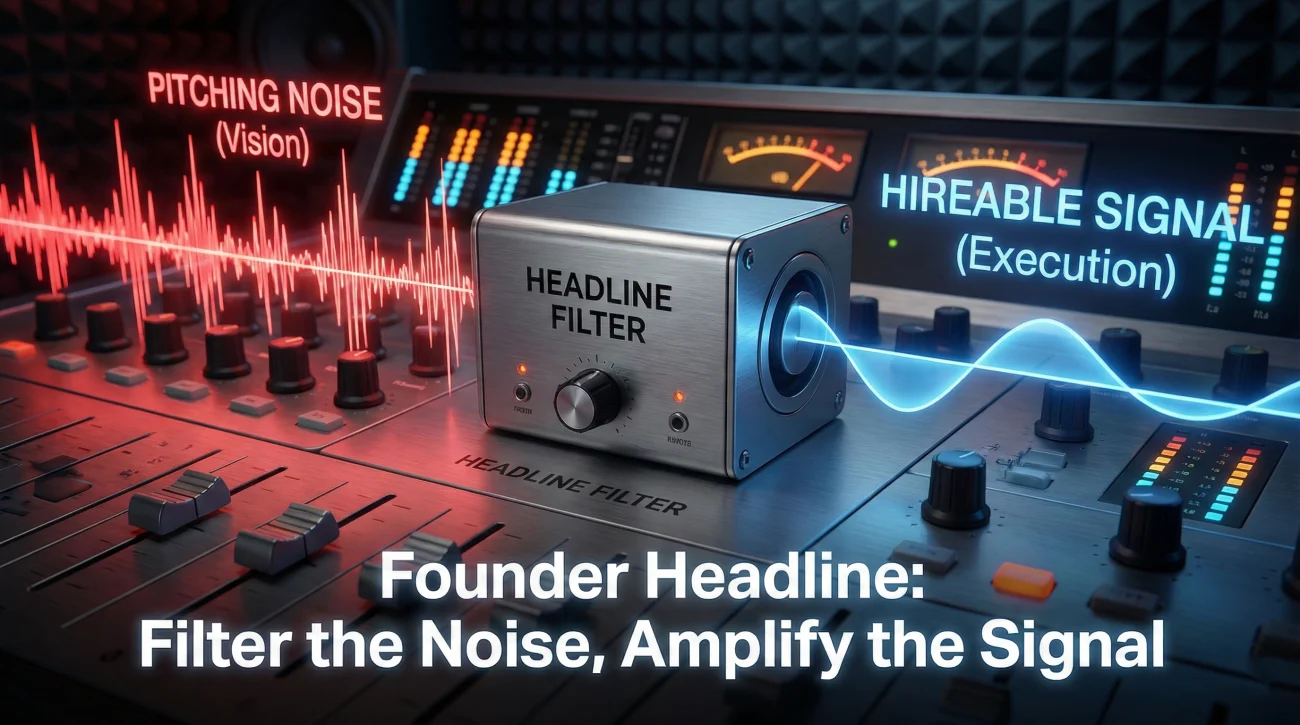
Resume Headline for Founders: Sound Hireable Without Sounding Like You’re Pitching

Resume Headline For Founder

Your headline is not a pitch. It’s a one-line role decision plus one proof cue. Founders get rejected when “Founder | CEO” triggers doubts about fit, reporting, and focus. Use 3 founder-specific patterns and steal 10 examples that read like an employee, not a brand. Why Founder Headlines Get Skimmed Too Fast Reese ran a … Read more

Resume Headline for Freelancers: Show Continuity and Team Readiness

Resume Headline For Freelancer

A freelancer headline has to solve one fear first: Continuity. Use a team-ready cue so you look like someone who can plug into a real org, not just take tasks. Pick one of 3 patterns, then add proof hints that work even if you cannot name clients. Why Freelancers Get Judged Faster Than They Expect … Read more

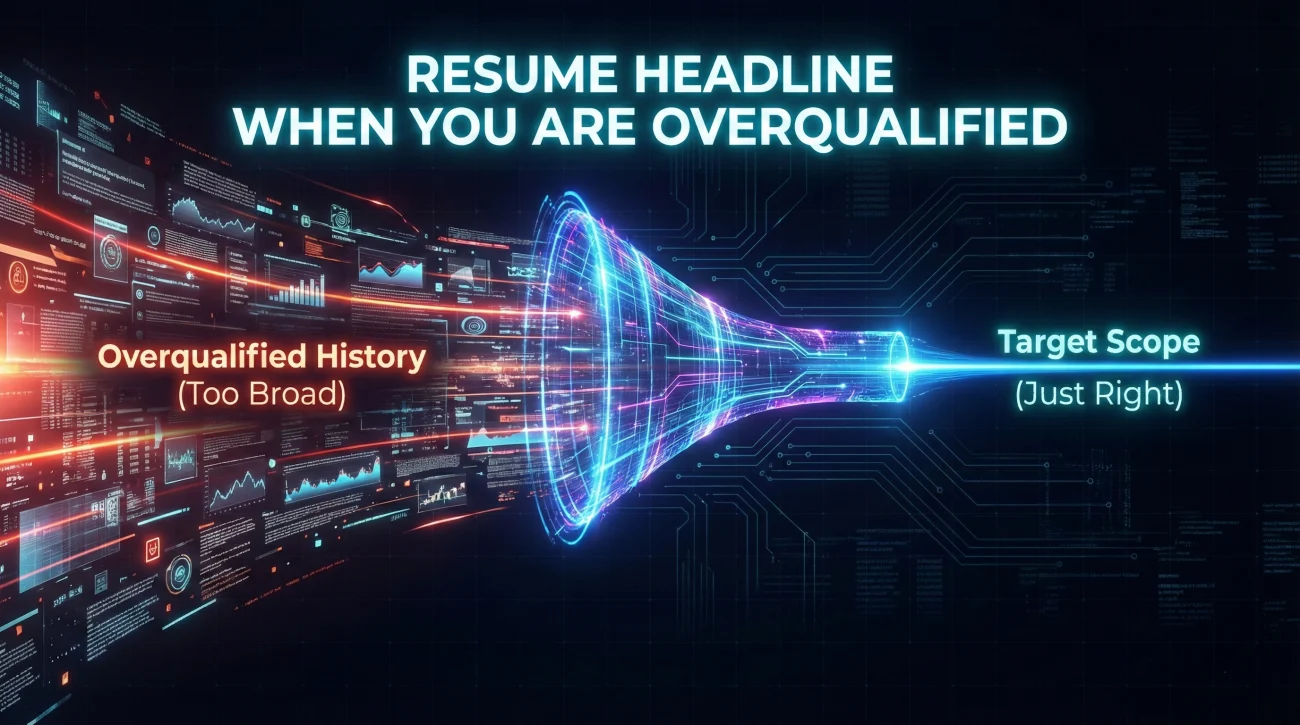
Resume Headline When You Are Overqualified: How to Signal You Want This Scope

Resume Headline For Overqualified Candidate

Your headline is not a brag line. For overqualification, it is a scope agreement in one sentence. Use one of 3 patterns: Scope Lock, Value at This Level, or Stability Signal. Then add proof that fits the target role. Avoid “big” words that trigger flight-risk. Swap leadership language for hands-on, day-to-day impact language. Why an … Read more

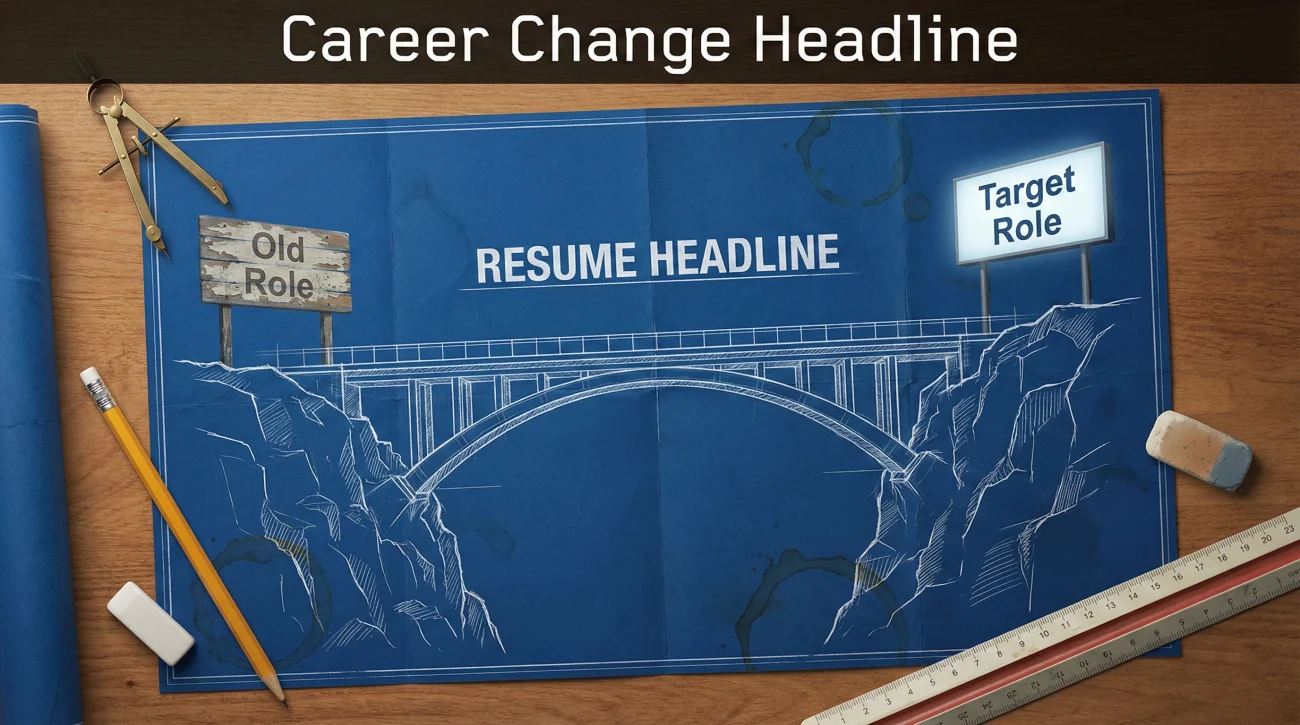
Resume Headline for a Career Change: Make the Switch Feel Real in One Line

Resume Headline For Career Change

Your headline has one job: Name the target role and give one concrete proof hook. Career change headlines work best in 4 patterns, depending on how “far” the pivot is. Every word in the headline must route to visible proof in the next sections, or it reads like wishful branding. The problem with most career … Read more

Resume Headline With No Experience: What to Use as Proof Without Lying

Resume Headline With No Experience

If you have no job title yet, your headline must lead with proof tokens: Tools, outcomes, scope, and context. Skip “motivated” language. Use a one-line formula that ties target role to evidence you can point to on the page. Pick one path and stay consistent. Your headline should match what the top third of your … Read more

Resume Headline Examples: 20 Lines You Can Copy and Customize

Resume Headline Examples

If your headline sounds like a personality test, it will read like fluff. Add a proof hint or a scope cue. Use examples by intent: Role clarity, proof hint, scope control, pivot signal, stability signal. Steal a line, then swap only 2 parts: The target role and the proof hint. Keep the rest stable. The … Read more

How to Write a Resume Headline: A Simple Formula That Sounds Like a Real Person

How To Write A Resume Headline

A resume headline works when it signals: Target role, niche, proof, and scope in one clean line. Use a 4-part formula so you stop sounding like everyone else: Role + Specialty + Proof Hint + Scope Cue. If your headline can’t be defended by the next 3 bullet points on the page, it’s too fluffy. … Read more

Resume Headline vs Resume Title: What Each One Does and When You Need Both

Resume Headline Vs Resume Title

A resume title is a target-role label. A headline is a claim with a hint of proof. You do not always need both. Use both when your target is clear but your credibility needs a fast bridge. If you only write one line, build a hybrid that reads like a title first, then proof. Why … Read more

Cover Letters for Hard Cases: When One Paragraph Helps and When It Hurts

Cover Letter Sticky Situations

Cover letters cannot fix major concerns – they can only prevent minor concerns from becoming rejection reasons. Most sticky situations are better addressed in interviews than in writing. Written explanations become permanent records. When you do explain, one tight paragraph maximum. Anything longer sounds defensive. The Explanation Trap A operations manager named Giulia had a … Read more

Dates, Gaps, and Education Cleanup: Fix the Timeline Without Creating New Questions

Resume Dates

Dates are signals, not just facts. Every format choice communicates something about stability, honesty, and attention to detail. Month/Year is standard for employment. Year-only raises questions. Exact days are unnecessary and look odd. Education dates over 15 years old can be removed. Recent graduates should keep them. The Hard Rules These are not suggestions. Violating … Read more

Resume Bullet Points: Write Bullets That Sound Real Without Number Spam

Resume Bullet Points

Believable bullets need four things: outcome, scope, constraint, and proof nouns. Numbers are optional. Most roles do not have clean metrics. Eight proof patterns work when numbers do not exist. “Responsible for” is resume poison. Replace every instance with action that shows ownership. The Metrics Lie Every resume guide tells you the same thing: quantify … Read more

Resume Summary: Write 4-6 Lines That Make the Rest of Your Resume Easier to Believe

Resume Summary

A resume summary is not an introduction. It is a credibility snapshot that makes everything below it easier to believe. Four elements make summaries work: target role clarity, proof hint, scope signal, and professional tone. Miss any one and the summary falls flat. Keep it between 3 and 5 lines. Longer summaries read like you … Read more

Resume Headline and Title: Write One Line That Makes Your Target Role Obvious

Resume Headline

Your resume headline is the first line recruiters read. It must make your target role obvious in under 2 seconds. Use a simple formula: [Target Role] + [Specialization or Proof Hint] + [Scope Cue]. Choose from 4 headline patterns: role-first, proof-hint, scope-limited, or pivot headline depending on your situation. A weak headline loses the reader … Read more