Missing Months on a Resume: How Recruiters Read It (And Fix It Without Lying)

Resume Dates Missing Months

If your resume shows years only, many recruiters assume you are trying to blur tenure, not “save space”. Use the risk tiers to decide whether to keep months, add months, or restructure your timeline without overexplaining. The safest fix is consistent Month Year formatting plus a clean, truthful bridge for short transitions. When Months Go … Read more

Resume Timeline Order: When Chronological Still Wins and When It Hurts You

Resume Timeline Order

Chronological usually wins because it answers the question recruiters silently ask first: “Can I trust this timeline?” Chronological hurts when the timeline creates panic signals (dense job hopping, messy overlaps, unexplained gaps) and you do not control the framing. A hybrid resume timeline works best when you keep dates visible, but move your proof closer … Read more

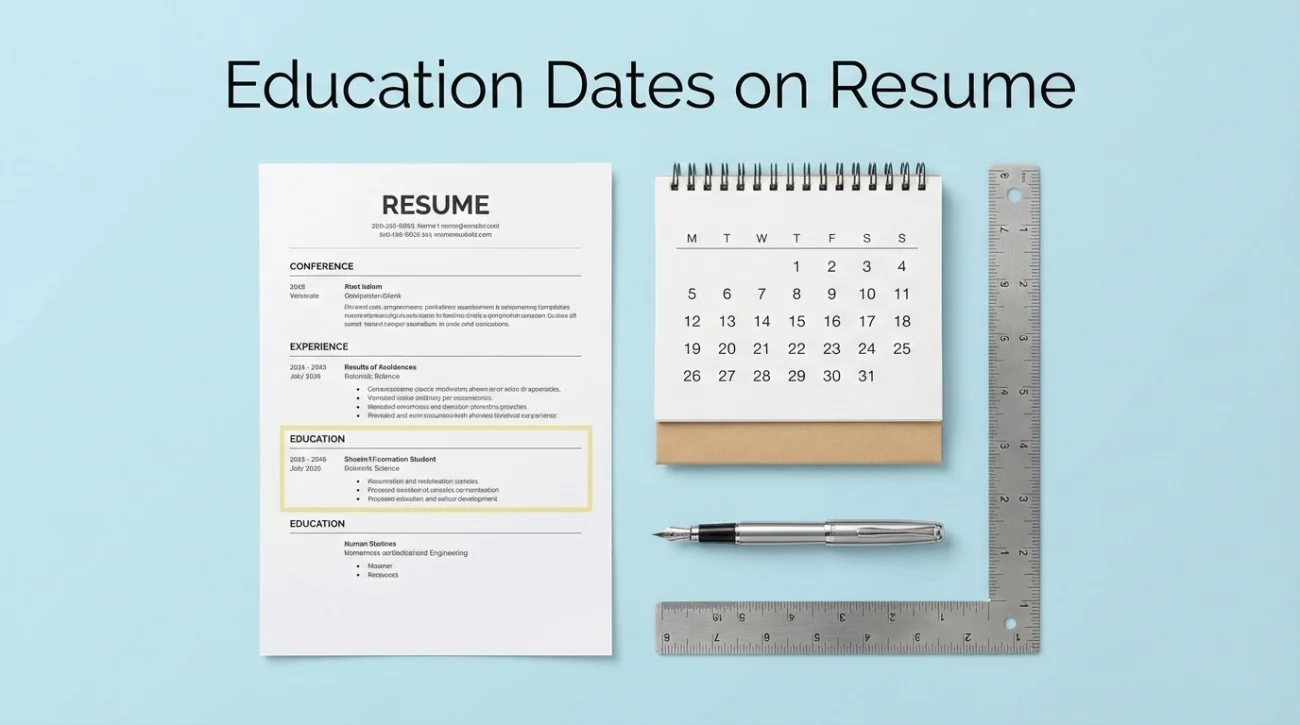
Graduation Year on a Resume: When to Remove It (And How to Do It Without Looking Shady)

Should You Put Graduation Year On Resume

If your graduation year helps you qualify (internships, new grad programs, licensing), keep it. Otherwise, you can remove it cleanly. The safest “not shady” move is: Keep the degree and school, remove the year, and let your recent experience do the timestamping. Do not replace a removed year with vague wording that accidentally sounds like … Read more

Career Break on a Resume: A Simple Way to Label It Without Oversharing

Career Break On Resume

If your timeline has a blank space, a calm label can close it without turning your resume into a confession. Pick the smallest truthful label that ends the story: Career Break, Family Leave, Personal Leave, Sabbatical, Non-compete. Use one line of context at most, then pivot back to proof: Skills, projects, training, or a clean … Read more

Employment Gap on a Resume: Timeline Options That Look Honest, Not Slippery

Employment Gap On Resume Dates

If your timeline feels “slippery,” recruiters assume you are hiding something, even when the gap is normal. Use one of three clean options: keep month-year plus a labeled break, zoom out for older roles, or add a legitimate bridge entry. Pick the option using routing rules based on recency, gap length, verification risk, and ATS … Read more

Short Stints and Dates: How to Show a 3-Month Job Without Making It Look Worse

Resume Short Stints Dates

Short stints do not ruin you. The wrong date format does. You have three levers: Date granularity, labeling, and grouping. Never “smooth” dates in a way that changes what the stint really was. Why a 3-Month Date Range Feels Loud on a Resume I have watched smart candidates lose control of the story because of … Read more

Contract and Project Dates: How to Show Time Without Looking Unstable

How To List Contract Work Dates On Resume

If your contract timeline looks chaotic, recruiters assume your work was chaotic too. Your job is to make the time story feel intentional. Pick one of 3 layouts: Umbrella role with projects, Client-by-client entries, or One client with renewals compressed. Use month and year, label the relationship clearly, and keep the format consistent so short … Read more

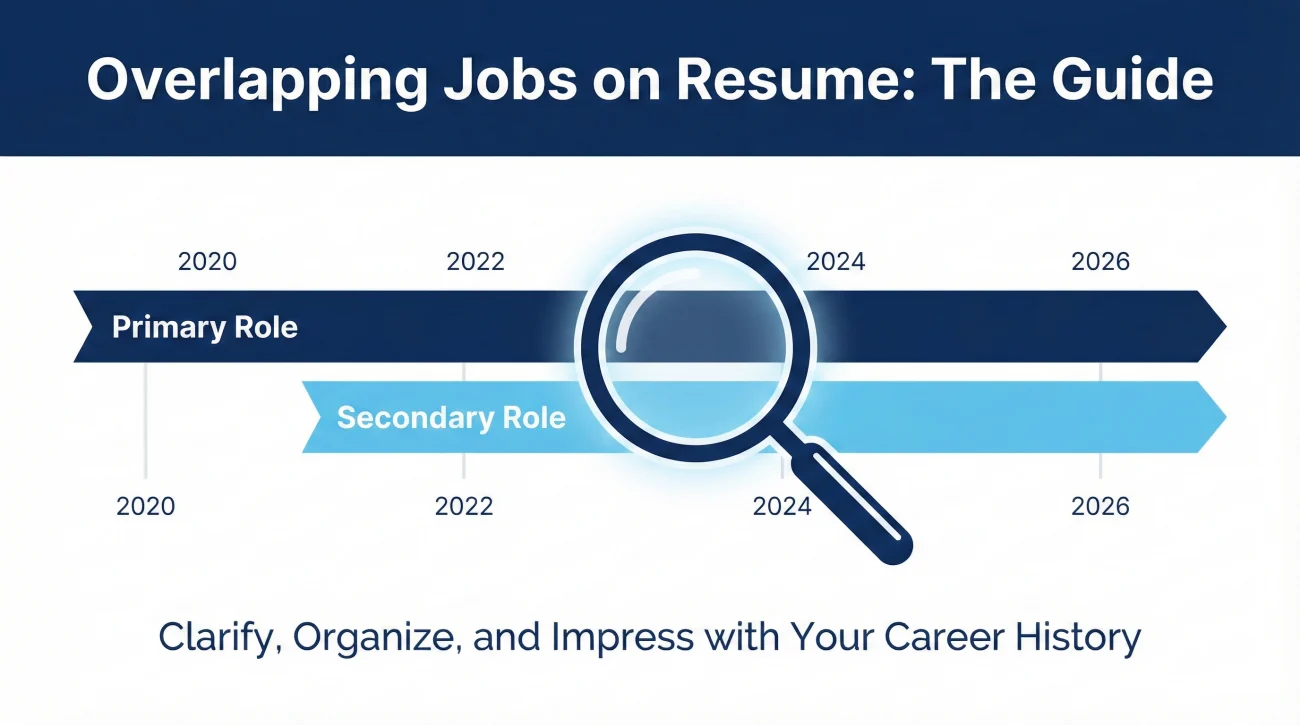
Overlapping Jobs on a Resume: How to Show Two Roles Without Looking Messy

Overlapping Dates On Resume

If your dates overlap, the resume must answer one thing fast: This was intentional, not a typo. Use month-year dates, pick one “primary” role, and keep the secondary role visually lighter. Only add a micro-explanation when the overlap could look like split loyalty or double full-time. Why Overlaps Make Recruiters Squint I have seen recruiters … Read more

Should You Include Months on a Resume: When Year-Only Helps and When It Hurts

Include Months On Resume

Use Month + Year for any role in the last 3 to 5 years, any role under 12 months, or any role that is core proof for the job you want. Use Year-only for older background roles where months add noise, not clarity (especially early-career or low-relevance experience). Best default: Hybrid. Recent roles use Month … Read more