- A strong contract to permanent answer is not about “stability” alone: It is about intent, evidence, and fit.
- Use a simple 4-part structure that sounds calm: What I learned, What I want next, Why this role, What keeps me here.
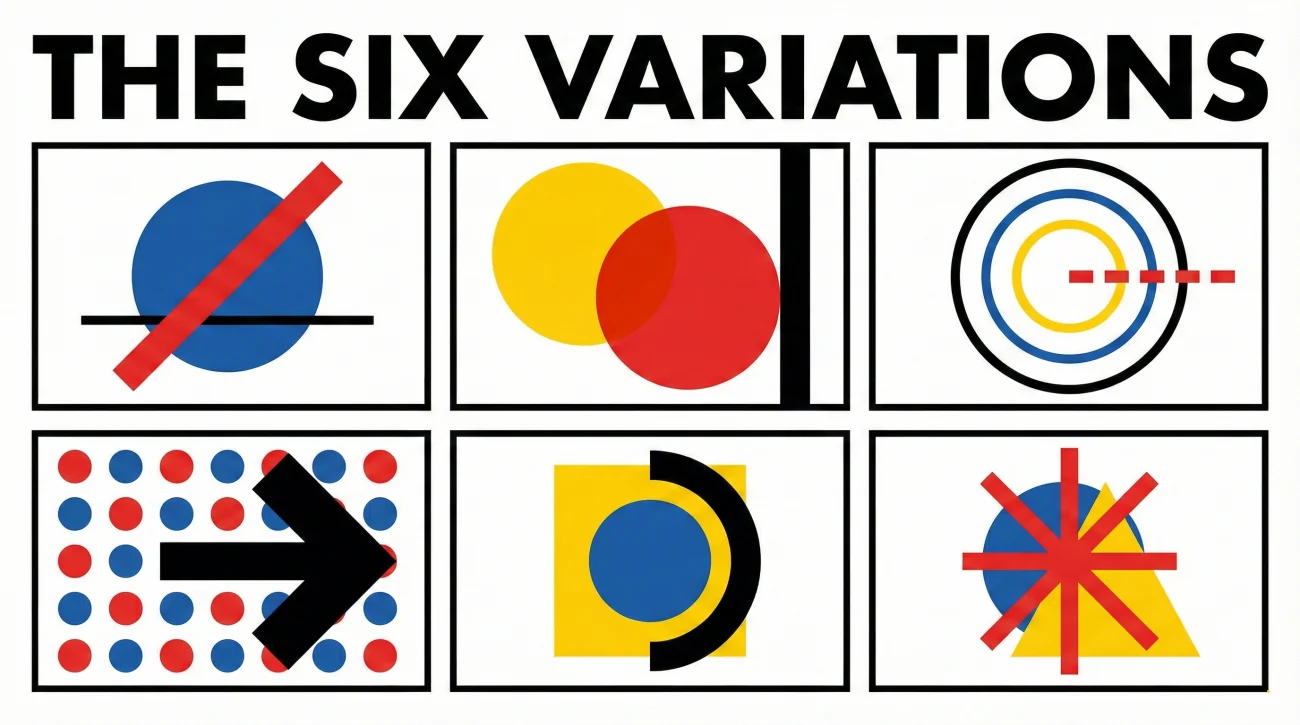
- Pick the variation that matches your real situation (Project ended, Headcount freeze, Deeper ownership, Visa, Family, Career focus).
- Prepare 5 pivots for follow-up questions so you do not sound defensive or like you “ran out of contracts.”
- Avoid the common red flags: Complaining about clients, Overexplaining money, Or sounding like full-time is a backup plan.
When “I Want Permanent” Sounds Like a Problem
I have interviewed plenty of people who came from contracting, freelancing, or fixed-term roles. Most of them were strong. The awkward part rarely came from their skills. It came from one question that sounds harmless but carries a lot of suspicion: “Why do you want a permanent role now?”
If your contract to permanent interview answer sounds like you are tired, out of options, or secretly still shopping for the next gig, you can lose trust fast, even when your work is excellent.
A candidate named Diana taught me this the hard way. She had a clean track record across three contracts, all delivered on time. In her interview, she said she wanted permanent “for stability.” The hiring manager nodded, then spent the rest of the conversation probing her commitment. Afterward, the feedback was blunt: “Great contractor. Not sure she wants to be part of a long-term team.”
This article gives you a tighter approach: A short structure you can repeat, six variations that match real situations, and pivots for the follow-up questions that usually knock people off balance.
What They Are Actually Testing With This Question
When interviewers ask why you want to move from contract to permanent, they are rarely judging your personal preferences. They are checking risk.
| What they ask | What they worry about | What you should prove |
|---|---|---|
| Why permanent now? | You are between gigs and panicking | You are choosing a next chapter, not escaping |
| Will you miss contracting? | You will leave when something short-term pays more | You value ownership, depth, and continuity |
| Why did the contract end? | You were pushed out | The ending is normal: Project scope, budget, timing |
| Why us instead of another contract? | You do not understand the job you are applying for | You want this role’s work, not just any permanent badge |
A friend of mine, Juan, used to hire engineers for long product cycles. His rule was simple: A permanent hire is a bet on your “staying power.” He did not need you to swear loyalty. He needed a believable reason you will still care about the same problem six months from now.
🗝️ Key Point: Your answer should sound like a decision about the work, not a reaction to the contract market.
A Simple 4-Part Structure That Sounds Credible
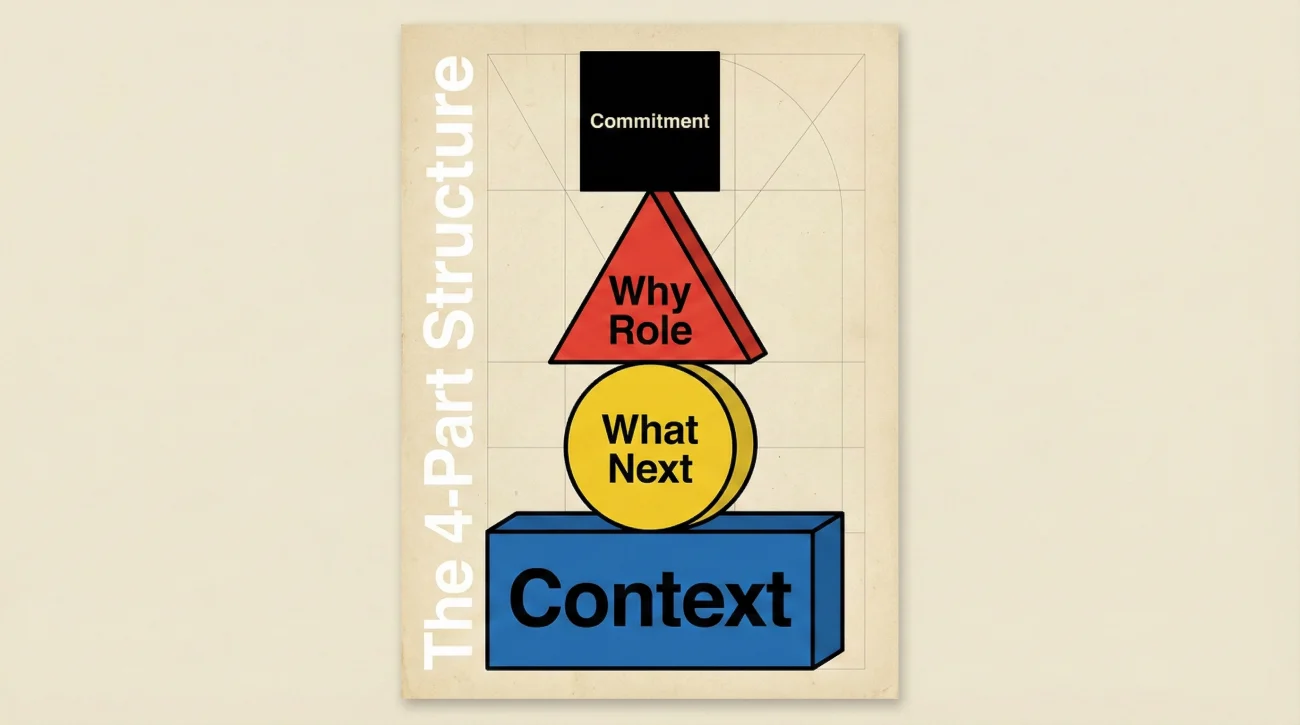
If you ramble here, you invite follow-up suspicion. If you oversimplify, you sound generic. The best middle is a short structure you can deliver in 20 to 30 seconds.
[Contract Context] + [What I Want Next] + [Why This Role] + [Commitment Signal]
Step 1: Contract Context (One Neutral Sentence)
Keep it factual. No drama. No blaming. No long backstory.
Step 2: What I Want Next (A Direction, Not A Complaint)
This is where “stability” often fails. Stability is fine, but it is not persuasive by itself. Pair it with what you want to build, own, or improve over time.
Step 3: Why This Role (Specific Fit)
Name one or two parts of the job that match how you like to work: Cross-functional ownership, long-term roadmap, deeper systems, stakeholder continuity, or mentoring.
Step 4: Commitment Signal (What Keeps You Here)
This is not a promise. It is a reason. You are giving them a believable anchor that explains why permanent makes sense for you.
💡 Pro Tip: A commitment signal is strongest when it is about the work cycle: “I want to see outcomes through a full release and iteration cycle,” not “I swear I will stay.”
Six Variations You Can Use Without Sounding Like You Failed Contracting
Pick the version that matches reality. Mixing reasons often creates contradictions.
Variation 1: The Project Naturally Ended
Notice what it avoids: It does not say “I cannot find another contract.” It frames permanent as a better match for the kind of outcomes you want to deliver.
Variation 2: Conversion Was Not Possible (Headcount, Budget, Policy)
Lots of great contractors cannot convert because the company cannot open headcount. Say that, then move on.
⚠️ Warning: Do not imply you were promised conversion unless you are ready to explain it calmly.
Variation 3: You Want Deeper Ownership, Not More Variety
This works well for people who have done many short gigs and are worried it looks like restlessness.
“Contract work gave me variety and fast learning. At this point, I want the opposite: Depth. I want to take responsibility for a system and improve it over time, not just deliver a piece and hand it off. This role is attractive because the success metrics are long-term, and I want to be accountable for them.”
Variation 4: Your Life Constraints Changed (Without Oversharing)
You can reference a change in constraints without turning the interview into a personal story.
“My priorities have shifted toward a steadier rhythm, and I’m being intentional about choosing a permanent role where I can grow within one team. What I like about this position is the consistent collaboration and the long-term scope. That is the environment where I do my best work.”
Variation 5: Visa, Work Authorization, Or Administrative Reality
Keep it factual. The goal is clarity, not sympathy.
“From an administrative standpoint, I’m focusing on permanent roles that align with my work authorization timeline. Beyond that, I’m also looking for long-cycle ownership. This role fits both: It is long-term, and the work is the kind I want to build depth in.”
Variation 6: You Are Choosing A Clear Career Focus
This is great for people who did contracts to explore, then decided what they want.
“Contracting helped me test different environments, and it clarified what I want to specialize in. Now I’m focusing on permanent roles where I can build deeper expertise in this domain. Your role is a strong match because it is not a one-off project, it is sustained work in the area I’m committing to.”
Pivots For The Follow-Up Questions That Usually Trip People Up

Even a good answer gets follow-ups. The trick is to respond without sounding cornered.
What if they say: “How do we know you will not go back to contracting?”
Use a calm pivot that points to work style and incentives, not morality.
“That’s fair to ask. What keeps me in a permanent role is owning outcomes that take time: Building relationships, improving systems, and seeing results through multiple cycles. That is what I’m optimizing for right now.”
What if they say: “Were you looking for permanent before this contract ended?”
“I started exploring when I realized I wanted deeper ownership than a short contract typically allows. I timed the search so I could finish my deliverables cleanly, then move into the next role with full focus.”
What if they say: “Why did you not convert where you are?”
“I asked, but permanent headcount was not available this cycle. I’m proud of the work, and now I’m targeting roles designed for long-term ownership.”
What if they say: “Do you dislike contract work?”
“I learned a lot from it. It just optimizes for different outcomes: Fast delivery and variety. I’m choosing a role that optimizes for depth and long-term impact.”
What if they say: “Are you leaving because the market is slow?”
“The market always changes. My decision is based more on fit: I want a long-cycle role where continuity matters, and that is what I’m prioritizing.”
The Red Flags That Make A Good Contractor Sound Risky
I have seen strong candidates accidentally sabotage themselves with wording that seems harmless. Here are the patterns that trigger extra skepticism.
Red Flags To Avoid
- Complaining about clients or calling past teams “chaotic.”
- Overemphasizing benefits or PTO as the main reason.
- Saying you want permanent because contracting is “too unstable” without showing what you want to build instead.
- Explaining every contract ending in detail, especially the messy parts.
- Making it sound like permanent is a “break” after a hard year.
- Claiming you want to “settle down” but also saying you love constant change.
❌ Note: If your answer makes permanent sound like a backup plan, you invite the interviewer to treat you like a temporary hire.
A Better Default Tone
Neutral, forward-looking, and specific about the work cycle you want. You can be honest without being dramatic.
A Quick Prep Checklist Before Your Interview
This takes ten minutes and saves you from most follow-up traps.
- ✅ Pick one “primary reason” from the six variations and stick to it.
- ✅ Write one neutral sentence about why the contract ended.
- ✅ Choose one ownership example: A system you improved, a process you stabilized, or a metric you moved.
- ✅ Prepare one sentence that explains why this specific role fits your long-term work style.
- ✅ Rehearse one pivot for the “Will you leave?” question.
A candidate named Joel did this after bombing an early interview. He stopped saying “I want stability” and started saying “I want to own a product area through multiple iterations.” Same person, same skills, totally different signal. His next loop went smoother, and the hiring manager stopped pushing on commitment.
Final: The Calm Answer That Makes Permanent Sound Like A Choice
The best version of this answer does not beg for trust. It earns trust by sounding like a professional decision: You delivered in a contract setting, you learned what kind of work cycle you want next, and this role fits that cycle.
When you keep it short and specific, you avoid the trap of sounding like you are explaining a problem. You are simply explaining direction.
If you want a one-line anchor to remember, build your contract to permanent interview answer around ownership and continuity, then back it with one real example from your recent work.
❓ FAQ
🎯 Should I say I want stability in a contract to permanent interview?
You can, but it should not be the whole answer. Pair it with a work-based reason: Ownership, depth, stakeholder continuity, or long-cycle impact.
🧩 How do I explain a contract ending without sounding like I was fired?
Use one factual sentence: Project completed, budget cycle ended, or fixed-term scope. Then move immediately to what you want next.
💬 What if they ask whether I will go back to contracting?
Answer with your work incentives, not a promise. Explain what keeps you engaged in permanent roles: Long-cycle accountability, deeper systems, and continuity with a team.
🧠 Is it a red flag to have many short contracts on my resume?
It can raise questions, but it is fixable. In interviews, emphasize patterns: Repeated outcomes, similar domain work, and why you are now choosing depth over variety.
📌 What is the biggest mistake people make with this answer?
Making permanent sound like a backup plan. The strongest answers frame permanent as a deliberate choice for the kind of work cycle you want to own.
⚠️ Disclaimer: ResumeSolving provides resume, cover letter, job search communication, and career transition guidance for informational purposes only. Hiring practices vary by employer, role, location, industry, and individual circumstances. We do not guarantee interviews, job offers, ATS results, or other outcomes. Verify employer requirements directly and follow applicable laws and workplace policies. For sensitive situations, use only information you are comfortable disclosing and keep all statements accurate.