- You do not need a full “freelance cover letter.” You need one paragraph that removes doubt: Commitment, collaboration, and clean handoffs.
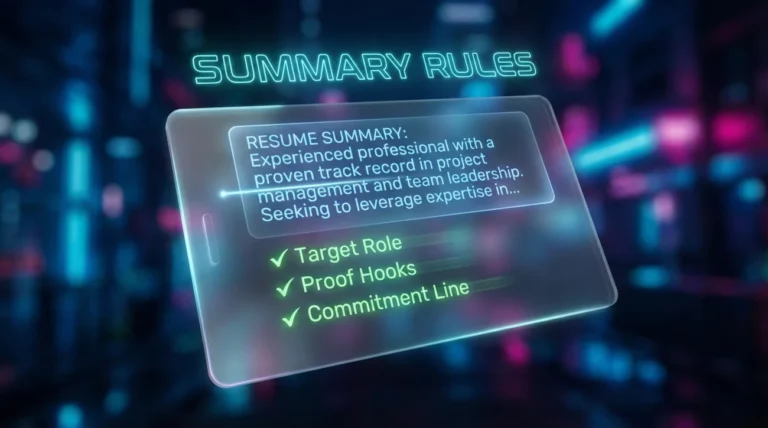
- The strongest paragraph has three moves: Scope, team-fit, and a calm long-term signal that does not sound like a plea for stability.
- Choose a template based on what the role values: Workflow inside a team, or long-term ownership over outcomes.
- Skip the risky framing: Complaints about clients, oversharing, or “I need benefits” language that shifts focus away from contribution.
- Use the sentence bank to keep the tone grounded, then tailor one line to the exact rhythm of the team you want to join.
The Real Reason This Paragraph Matters
I have watched excellent freelancers lose momentum in hiring for a simple, invisible reason: The team could not picture them settling into a shared cadence, letting priorities shift, and staying past the first hard quarter. Their work was strong. The doubt was about predictability.
That is why a freelance to full time cover letter paragraph earns its keep. It quietly reframes “independent” into “reliable inside a team,” without dragging the reader through your entire backstory.
A candidate named Leila (product designer, five years freelance) once told me her cover letter felt “too clean,” so she added a long explanation about unstable clients and wanting something calmer. She meant honesty. The hiring manager heard: “She might bolt when it gets intense.” We replaced it with one tight paragraph that focused on ownership and team rhythms. Same facts, safer signal.
Key Point: This paragraph is not a confession about freelancing. It is a short positioning move that makes full-time feel intentional.
What Hiring Teams Worry About When They See Freelance

Most hiring teams are not questioning whether you can do the work. They are wondering how you work with other people when the work is messy, shared, and constantly reprioritized. They are also scanning for conflict risk, divided attention, and flight risk.
These concerns rarely show up in job posts, but they show up in debrief notes.
| Unspoken Concern | What Your Paragraph Should Signal |
|---|---|
| Will they commit, or disappear when a better client shows up? | You want long-term ownership and shared outcomes inside one team. |
| Will they resist internal process and do everything their own way? | You already operate with reviews, stakeholders, and structured delivery. |
| Can they collaborate daily, not just deliver a final file? | You thrive in feedback loops, alignment, and clear handoffs. |
| Are there conflicts of interest with current clients? | You respect confidentiality and can separate work cleanly. |
| Can they handle priority shifts without drama or defensiveness? | You stay steady, communicate early, and keep momentum. |
A candidate named Jon once got a blunt panel summary: “Great contractor, unsure about employee mindset.” That line is exactly what this paragraph is designed to prevent.
A Simple Structure That Keeps the Paragraph Tight

This is a plug-in paragraph. It sits after your opening lines in a normal cover letter, then you move on to achievements. You are not writing a “freelance story.” You are guiding how the reader interprets your work pattern.
[Scope Proof] + [Team Proof] + [Long-Term Signal]
Scope Proof: One sentence that makes your independent work sound like real operating experience, not a pile of random gigs.
Team Proof: One sentence that shows collaboration, stakeholders, reviews, and handoffs.
Long-Term Signal: One sentence that explains why full-time fits now, without sounding like you need rescue.
⚠️ Warning: If your paragraph is mostly about what you disliked about clients, the reader will start imagining future conflict with managers.
Template 1: Lead With Team Workflow
Use this when the job is cross-functional, fast-moving, or stakeholder-heavy. The goal is to sound like someone who already works inside a shared system, not beside it.
This version works because it sounds calm and operational. It does not try to “win” a debate about freelancing. It simply shows how you function.
Template 2: Lead With Long-Term Ownership
Use this when the role values continuity, building systems, or multi-quarter outcomes. It is especially useful for product, ops, marketing, and team leads.
💡 Pro Tip: Add exactly one “internal-style” detail you already do (weekly check-ins, sprint reviews, QA checklist). One detail feels real. Three details starts to feel performative.
Sentence Bank: Pick Two Lines That Match Your Real Reason
Most generic advice pushes “stability” language. That often reads like you are asking the employer to fix your life. A better angle is ownership, contribution, and shared standards.
Pick one line for “Why full-time” and one for “How I work with teams.” Keep the rest of the cover letter focused on impact.
Why Full-Time, Without Sounding Needy
- I am pursuing a full-time environment because I want deeper ownership of outcomes and the ability to build on work over multiple quarters.
- I do my best work embedded with a team, iterating quickly through shared feedback and clear handoffs.
- I want to focus my work in one direction and invest in a single roadmap instead of splitting attention across unrelated engagements.
- I am looking for a role where I can grow through mentorship and peer feedback in a consistent operating rhythm.
- I am making this move because long-term collaboration and shared standards are where my work improves the most.
Team-Fit Lines That Read Like Employee Mindset
- My projects typically include weekly stakeholder check-ins, documented decisions, and clear handoffs so execution stays smooth across teams.
- I am used to working in feedback cycles with multiple reviewers, balancing speed with quality and alignment.
- I manage scope transparently, flag risks early, and keep communication tight so teams can plan around my work.
- I have delivered inside established processes, including approvals and QA, not just “final files.”
- I handle confidentiality carefully and separate client work cleanly to avoid conflicts of interest.
If You Need One Grounding Detail
If your freelance period might look like “light work” on paper, add one factual anchor. Keep it neutral.
- I maintained a consistent workload through [timeframe], supporting [types of clients] with repeat engagements and ongoing deliverables.
- A significant portion of my work came from long-term client relationships that required reliability, responsiveness, and on-time delivery.
- I often worked as an extension of internal teams, joining planning calls and aligning to shared deadlines.
Do-Not-Say List: Phrases That Accidentally Create Doubt

Some lines are honest, but they push the reader toward the wrong conclusion. If you want full-time, keep motivation framed as contribution and ownership, not relief from freelance stress.
| ❌ Note | 💡 Pro Tip |
|---|---|
| “I’m tired of chasing clients and I want something stable.” | “I’m seeking deeper ownership inside one team and the chance to contribute to long-term outcomes.” |
| “Freelancing has been isolating, so I want to be around people again.” | “I do my best work embedded with a team, iterating quickly through shared feedback and clear handoffs.” |
| “Clients were unreasonable, so I’m looking for a healthier environment.” | “I’m most effective in environments with clear priorities, shared standards, and consistent collaboration.” |
A colleague in recruiting once summed it up in a way I still remember, because it explains the difference between “honest” and “safe.”
“When someone tells me they want stability, I hear: They might need stability from me. When someone tells me they want ownership, I hear: They want to build with us.”
How to Adapt the Paragraph to Your Situation
You do not need to overshare. You do need your wording to match reality so it does not sound like a script.
If Freelance Was a Deliberate Choice
Lean into intentionality and skill-building, then connect it to long-term outcomes. The only risk here is sounding like you will miss freedom and leave, so make the full-time choice sound positive and forward-looking.
If Freelance Happened Because of the Market
Keep it neutral and brief. A clean line works: “I continued delivering through independent work while focusing my search on a full-time role where I can own outcomes inside one team.”
If You Mixed Freelance With Caregiving or a Temporary Constraint
You do not owe details. What matters is closure and availability now. One calm sentence is enough: “I structured my work through independent engagements during a period that required flexibility, and I am now fully available for a full-time schedule and long-term team ownership.”
If You Were a Contractor Embedded in Teams
Highlight cadence, stakeholders, and handoffs, then clarify why you want to commit to one organization rather than rotate contracts. This is often the easiest transition to position, because the operating style is already familiar.
Final: A Small Paragraph That Changes the Read
When a hiring team sees freelance, they often start guessing: How long will this person stay, how will they work inside process, and will there be distractions outside the job. A good paragraph stops the guessing without sounding defensive.
Pick one template, add two sentence-bank lines that are true for you, and keep the tone steady. Once the signal is clear, your results can do the heavy lifting.
That is the whole purpose of a freelance to full time cover letter paragraph: It makes the move feel like a logical next step, not a question mark.
❓ FAQ
🎯 Where should this paragraph go in my cover letter?
Place it right after your opening lines, before you go deep on achievements. It works best when it shapes interpretation early, so the reader does not invent their own story about commitment or availability.
🧩 Do I need to explain why I left freelancing in detail?
No. Long explanations often introduce emotion or complexity the hiring team cannot verify. A believable reason aligned with the role, plus a calm long-term signal, is enough.
🔒 What if I still have a couple of clients while applying?
You usually do not need to mention it unless there is a conflict risk or the role asks directly. If you want one safe line, keep it general: You separate work cleanly and respect confidentiality, without listing active clients.
💡 How do I avoid sounding like I am begging for stability?
Swap “stability” language for “ownership” language. “Stability” can sound like need, while “ownership” sounds like contribution. Keep the paragraph focused on outcomes and collaboration, not personal relief.
✅ Is this paragraph still useful if my freelance work is basically the same as the full-time role?
Yes. Similar work answers the skill question, but it does not automatically answer the commitment question. This paragraph helps the reader picture you operating inside a team for the long run.
⚠️ Disclaimer: ResumeSolving provides resume, cover letter, job search communication, and career transition guidance for informational purposes only. Hiring practices vary by employer, role, location, industry, and individual circumstances. We do not guarantee interviews, job offers, ATS results, or other outcomes. Verify employer requirements directly and follow applicable laws and workplace policies. For sensitive situations, use only information you are comfortable disclosing and keep all statements accurate.