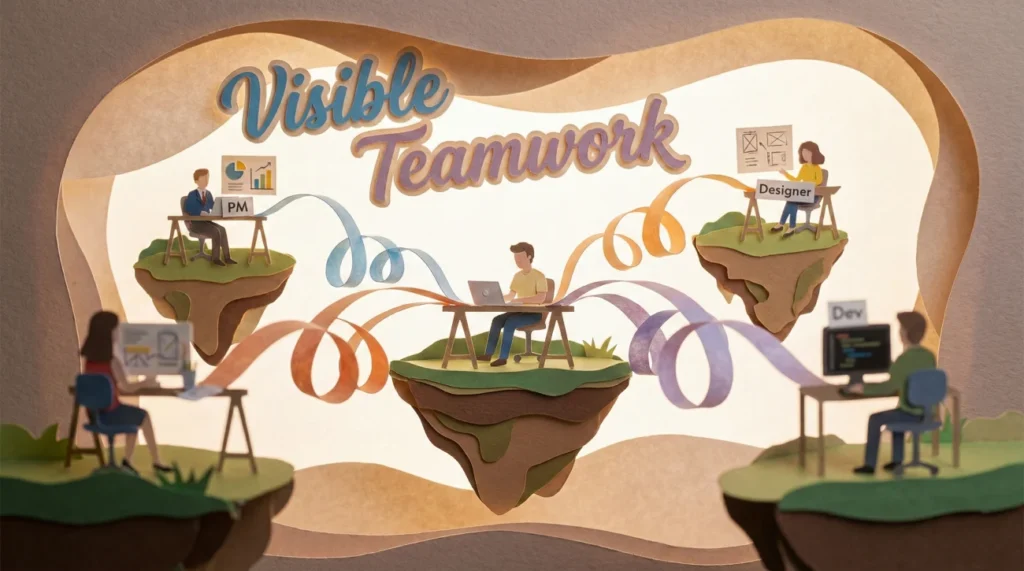
- If your resume only shows outputs, you can look like a lone wolf even when you partnered daily.
- Use signals recruiters trust: Stakeholders, cadence, handoffs, reviews, and shared tools.
- This guide gives you 8 patterns, 10 bullets, and 6 interview lines to make teamwork visible.
Why Freelancers Get Labeled “Solo” Even When They Worked With People Every Day
Most freelancers I’ve coached did not lose interviews because of skill. They lost because the resume created one quiet doubt: freelance teamwork on resume looked thin, so the hiring manager assumed the candidate preferred working alone.
I saw it with Daria, a freelance UX writer applying for a product role. Her bullets were strong, but every line sounded like she shipped things in a vacuum. The recruiter’s feedback was blunt: “Great portfolio, not sure she can partner with PM and design.” We didn’t change her work. We changed the signals around it.
Here’s the truth: As a freelancer, your “teamwork” is often stakeholder work. It is feedback loops, coordination, clarifying scope, aligning priorities, working inside someone else’s tools, and making handoffs painless. If that is missing from your bullets, you get misread.
The Three Questions Recruiters Ask When They See Freelance Work
When a hiring manager scans freelance experience, they’re not debating whether freelancing is “real.” They’re trying to predict how you will behave inside a team.
| Recruiter question | What triggers doubt | Signal that removes it |
|---|---|---|
| Can you work inside a system you do not control? | Only outputs, no process, no touchpoints | Tools, cadence, reviews, handoffs, shared metrics |
| Can you handle disagreement without going rogue? | No mention of feedback cycles or decision alignment | Iteration language, tradeoffs, approvals, stakeholder alignment |
| Will you communicate early, not at the deadline? | Big results, zero collaboration artifacts | Status updates, async docs, risk flags, checkpoints |
Those signals matter because they reduce uncertainty. Hiring teams can tolerate “new person learning the domain.” They struggle with “new person refusing the team’s way of working.”
🗝️ Key Point: “Teamwork” on a freelance resume is less about being friendly and more about proving you can operate inside shared workflows.
One small warning before we go into templates. If your only teamwork proof is the word “collaborated,” many readers treat it like filler. They want to see who you partnered with and how the work moved through people.
⚠️ Warning: When your bullets lack cadence, reviews, or handoffs, the “solo operator” label shows up fast even if you were in constant contact.
Eight Collaboration Patterns That Make Freelance Work Look Like Team Work
These patterns work across roles because they describe how work moves through people. Pick 2 to 4 that match your reality, then build bullets from them.
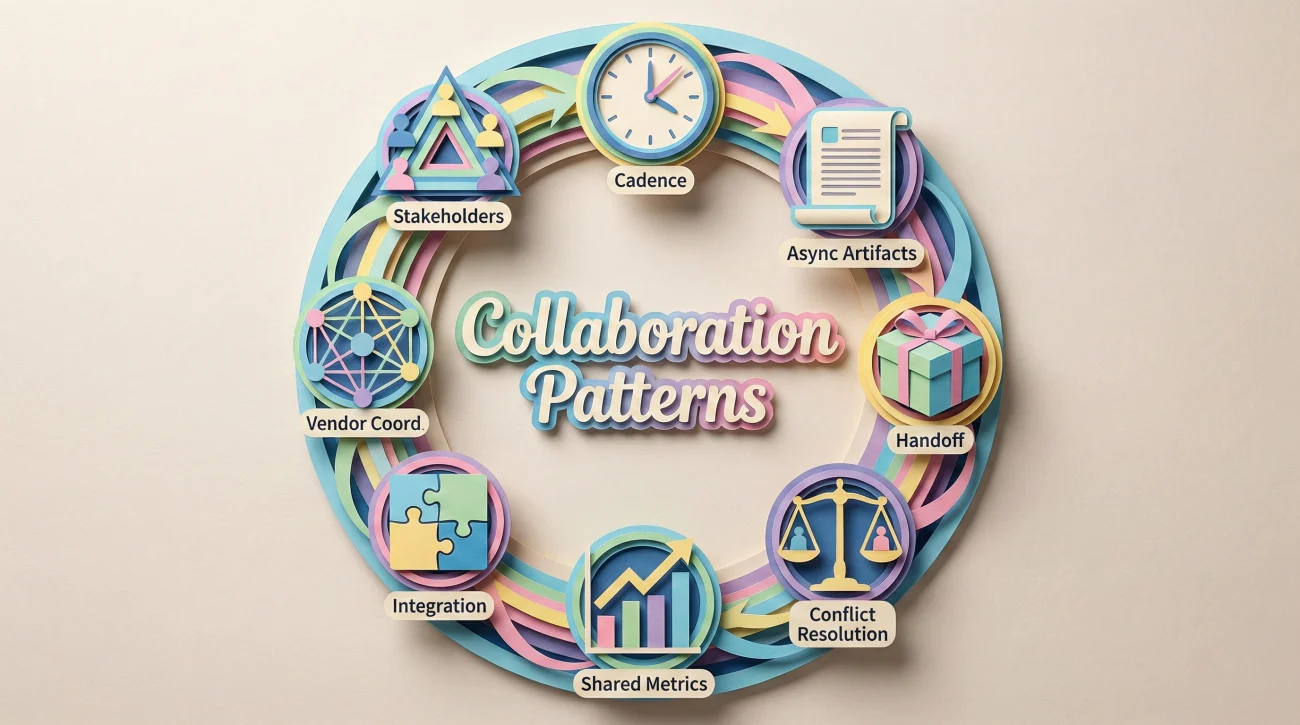
Pattern 1: Stakeholder triangle
Freelancers rarely have one “boss.” You may report to one contact, but decisions come from multiple directions. That’s a teamwork signal because it shows you can juggle priorities without freezing or pushing back in the wrong place.
Write it as a triangle: Who requested, who reviewed, who approved. Even if you cannot name the client, you can name the functions.
If your work was messy at first, you can still tell the story cleanly by highlighting how you created alignment rather than listing every conflict.
Pattern 2: Cadence and checkpoints
Teamwork shows up as rhythm. It is not romantic, but it is real: Weekly syncs, async updates, sprint planning, review gates, and predictable “you’ll hear from me on this day” habits.
This works especially well if the hiring team worries you disappear until the deadline. A simple cadence line removes that fear.
When you describe cadence, you also imply reliability. That’s one of the strongest freelancer-to-employee signals.
Pattern 3: Async collaboration artifacts
Freelancers often collaborate through docs, tickets, comments, and recorded walkthroughs. Mentioning these is not “tool name dropping.” It tells the reader you can work inside a shared system and leave an audit trail others can follow.
If you worked across time zones, this pattern becomes even more convincing because it shows you can keep momentum without meetings.
💡 Pro Tip: Use cross functional freelance work once if it fits, then let stakeholders and workflow carry the rest of your proof.
Pattern 4: Handoff and enablement
Team players do not just deliver. They make it easy for others to use the work. Handoff language signals maturity because it shows you think beyond “my piece is done.”
This is a great pattern for writers, designers, analysts, developers, and ops. Anyone who produces something others have to maintain can use it.
A good handoff bullet also implies low friction. That’s exactly what managers want from contractors converting to full-time.
Pattern 5: Conflict-to-clarity
Disagreement happens. Teamwork is how you turn it into alignment. For freelancers, this often shows up as scope boundaries, priority conflicts, or competing preferences from multiple stakeholders.
You do not need drama in the bullet. You just need the mechanism: Documented options, defined criteria, agreed decision owner.
If you handle conflict cleanly, you come across as steady. That’s a stronger signal than trying to sound “easygoing.”
Pattern 6: Shared metrics
Metrics are a collaboration language. They show you worked toward a team goal, not just a personal deliverable. Even a simple “activation improved” or “tickets reduced” reads like teamwork when you tie it to cross-team alignment.
This pattern works best when you mention who owned the metric, like growth, product, support, or ops.
Keep the metric believable and scoped. “Improved conversions by 300%” without context can backfire.
Pattern 7: Integration with internal teams
This is the “I can be an employee tomorrow” signal. You used their processes, not your own. That matters because many teams worry a freelancer will insist on doing things their way.
Integration can be as simple as adopting their sprint rituals, QA checklist, review process, or documentation style.
When you show integration, you reduce the manager’s onboarding anxiety. They see you as adaptable, not just talented.
Pattern 8: Vendor and partner coordination
Sometimes your teamwork is external. It still counts because you managed real dependencies. Coordinating across agencies, contractors, vendors, and partner teams is often harder than internal collaboration.
This is especially useful for marketing, brand, events, implementation, and operations roles.
Even if you were not the “project manager,” describing coordination signals leadership without having to claim the title.
Where to Put Teamwork Signals So They Actually Get Read
Freelancers often hide collaboration in a Skills section. That is the weakest place. Put it inside bullets, where it cannot be ignored.
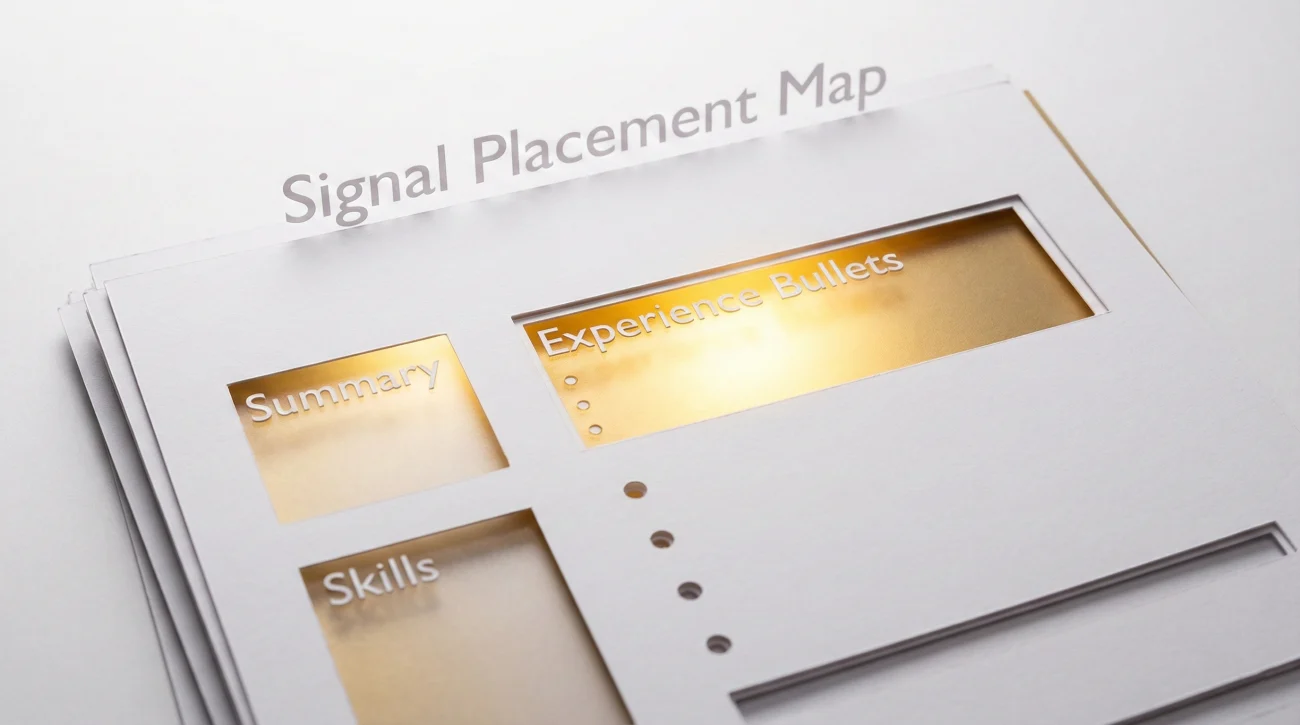
Work Experience bullets
Each bullet needs one concrete teamwork signal: Stakeholders, cadence, tool, or handoff. If you add two, it can feel crowded. One is enough as long as the result is clear.
If you cannot name clients because of NDA, use role-based labels and keep it factual: “Series B fintech,” “Global e-commerce brand,” “Healthcare SaaS.” Teamwork is still visible through workflow, not brand names.
– Partnered with PM and engineering to define acceptance criteria, reducing redesign cycles by 30%
– Ran async design reviews in Figma and Notion, improving feedback turnaround from 5 days to 2
– Delivered handoff specs and QA notes that reduced implementation gaps across two releases
❌ Note: Avoid bullets that only say “Worked independently.” That phrase is often read as “Does not like teamwork.”
Summary line
One line is enough. Make it specific, not inspirational. The goal is to imply, “I plug into your workflow,” without sounding like you are selling a personality trait.
That kind of summary sets context. Your experience bullets then prove it.
Skills section
Skills are support, not proof. If you mention collaboration tools, match them to the work you described. A list of tools with no evidence can look like keyword padding.
Stakeholder management freelance resume works best when it follows a bullet that already showed stakeholder reality, not before it.
Ten Resume Bullets That Prove Teamwork Without Overusing “Collaborated”
These are written to be edited. Swap in your role, tools, and metrics. Keep the structure, and keep the claim tied to something observable.
- Partnered with PM and engineering to define acceptance criteria, reducing last-minute revisions during QA.
- Built a weekly checkpoint cadence with stakeholders to surface risks early and keep timelines stable.
- Aligned deliverables across design, marketing, and support so customer-facing updates matched product behavior.
- Used Jira tickets and doc comments to manage async feedback, closing loops without meeting overload.
- Translated stakeholder feedback into a prioritized backlog, preventing scope drift across multiple requests.
- Created a handoff package (specs, edge cases, examples) so the internal team could maintain the system.
- Facilitated review rounds with clear decision owners, cutting approval time from weeks to days.
- Coordinated cross-team dependencies to ship a release without conflicting assets or duplicated work.
- Worked through tradeoffs with stakeholders and documented decisions, reducing re-litigation of solved debates.
- Integrated into the client’s sprint rituals and tooling, delivering work in formats the team could immediately use.
If you want one sentence that sounds human in interviews, keep it calm and practical. Do not oversell. Just describe how you make teamwork easier.
“I’m used to plugging into a team’s workflow. Tell me what tools you run on and how you like updates, and I’ll match that rhythm so nobody has to chase me for status.”
Six Interview Lines That Make Your Freelance Teamwork Sound Real
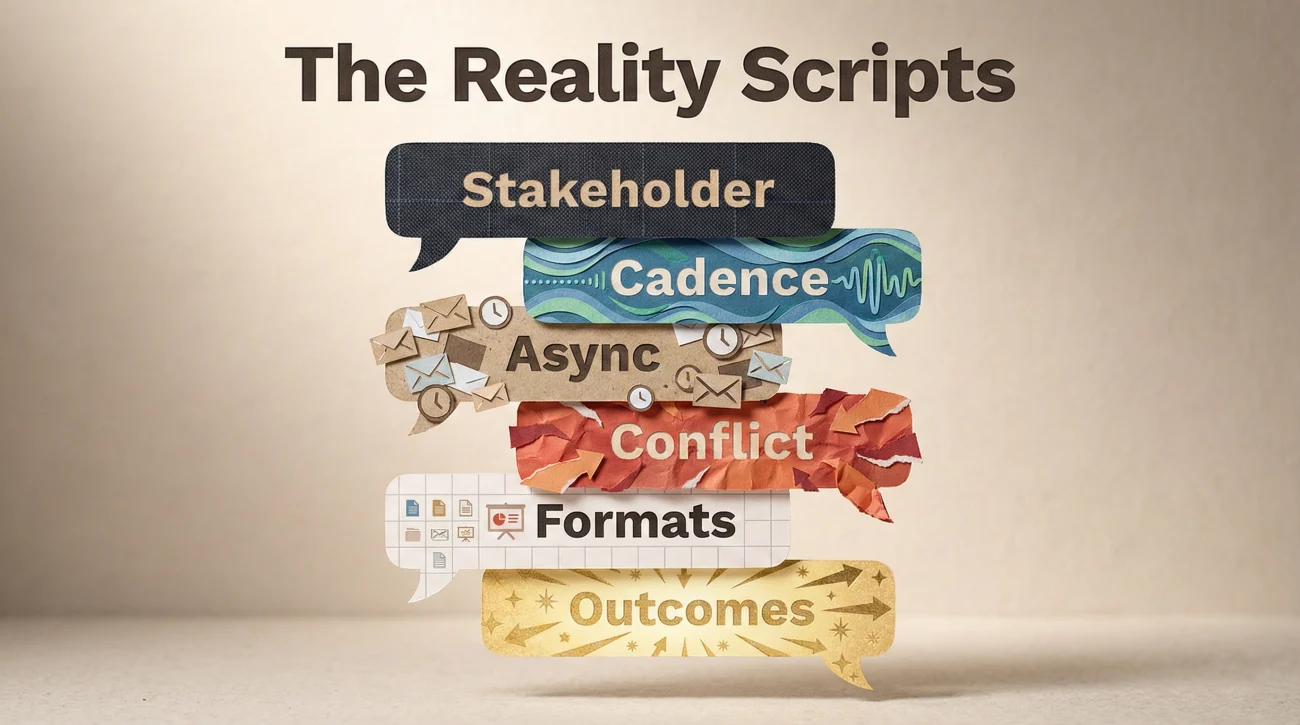
When interviewers test teamwork, they are really testing predictability. These lines stay grounded because they describe behavior, not personality.
- ✅ I usually work with 3 to 5 stakeholders, and I clarify decision ownership early so feedback does not conflict.
- ✅ I keep a simple cadence: One checkpoint early, one review midstream, one final handoff with notes for QA.
- ✅ I’m comfortable with async collaboration, but I flag risks quickly instead of waiting for the next meeting.
- ✅ If stakeholders disagree, I document options and tradeoffs so we decide once and move forward.
- ✅ I like shipping in a team’s formats: Tickets, docs, or specs, whatever makes implementation easiest.
- ✅ I measure success in shared outcomes, not personal output, so I align my work to the team’s goals.
💡 Pro Tip: If your freelancing included a lot of solo execution, acknowledge it once, then pivot immediately to your team touchpoints and handoffs.
❓ FAQ
🎯 Should I write “collaborated with cross-functional teams” on my resume?
You can, but it’s stronger to name the stakeholders and the workflow. One concrete detail usually beats a generic phrase.
🧩 What if I truly worked alone most of the time?
Focus on the edges where your work touched others: Intake, feedback rounds, approvals, handoffs, and post-delivery support. Even solo execution typically has collaboration moments.
🔒 How do I show teamwork if I cannot name clients?
Use role-based labels and keep it factual: “Series B fintech,” “Global e-commerce brand,” “Healthcare SaaS.” Teamwork shows through stakeholders, cadence, and handoffs, not brand names.
🛠️ Which tools count as “teamwork proof” for freelancers?
Anything that shows shared workflow: Jira, Asana, Notion, Confluence, Figma comments, shared docs, versioning, QA checklists, and structured handoff notes.
🧠 Where should I place teamwork: Summary or Experience?
Experience first. A summary line can support it, but proof belongs in bullets because that’s where recruiters decide whether your freelance work fits a team environment.
📌 How many teamwork bullets do I need?
Usually 2 to 3 across your most relevant freelance entry is enough. You’re aiming for clarity, not repetition.
⚠️ Disclaimer: ResumeSolving provides resume, cover letter, job search communication, and career transition guidance for informational purposes only. Hiring practices vary by employer, role, location, industry, and individual circumstances. We do not guarantee interviews, job offers, ATS results, or other outcomes. Verify employer requirements directly and follow applicable laws and workplace policies. For sensitive situations, use only information you are comfortable disclosing and keep all statements accurate.