- If your resume looks like two different people, one clean paragraph can reconnect the story without writing a whole new cover letter.
- The goal is not to justify your past. The goal is to make your next step feel deliberate, supported, and already in motion.
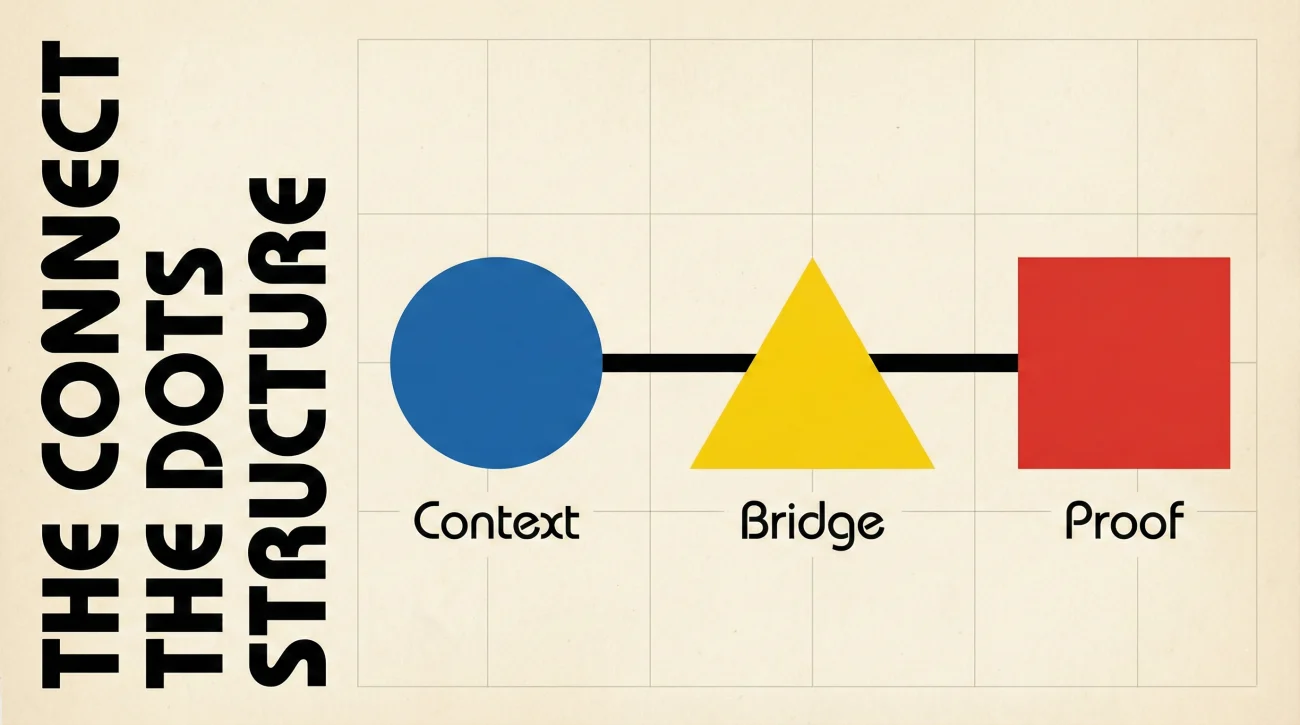
- Use a simple three-part structure: Past context, Bridge skills, Proof of commitment.
- Steal one of the two templates, then personalize it with one concrete result and one proof token.
The One Paragraph That Makes a Career Change Feel Coherent
I have watched hiring teams skim cover letters the same way they skim resumes: Fast, slightly skeptical, and hunting for “Does this make sense?” If you are switching industries or functions, your resume alone can look like a hard cut. That is exactly where a career change cover letter earns its keep: One paragraph that connects the dots so the reader stops guessing.
Not a long personal essay. Not a “follow your passion” speech. Just a clean bridge that answers the question they will not say out loud: Why this move, and why now?
One candidate I worked with, Avery, had eight years in retail operations and wanted to pivot into customer success. Her resume had the skills, but the story felt jumpy. We added a single paragraph that made the transition feel planned. The callback from the hiring manager came two days later, and the feedback was blunt in the best way: “Now I get it.”
When This Paragraph Helps, and When It Quietly Hurts
This paragraph is a tool. Use it when you need to reduce uncertainty, not when you are trying to compensate for missing qualifications.
| Use the paragraph when | Skip it (or keep it tiny) when |
|---|---|
| Your resume shows a hard pivot and the reader might assume “random.” | You are staying in the same lane and the resume already explains the move. |
| You need one sentence to clarify direction (industry, function, or level). | The posting says “No cover letter” and you have no extra context to add. |
| You have a credible bridge (skills plus a proof token like a project or certification). | You are still undecided and the paragraph would read like exploration, not commitment. |
| You are writing a career switch cover letter paragraph to prevent the “Why you?” objection. | You would end up oversharing (burnout, office drama, personal conflict) to justify the pivot. |
If you are changing careers because you disliked your last job, that is normal. It is also rarely the safest headline. The paragraph works best when it frames the move as a positive choice with evidence, not a rescue mission.
The “Connect the Dots” Structure Hiring Managers Actually Read
Most weak career-change cover letters fail for one reason: They describe feelings, not logic. The fix is a structure that makes the reader’s mental math easy.
Key Point: A career change paragraph should reduce doubt in three moves: What you did, How it translates, What proves you are already acting on it.
Use this as your skeleton. Keep it tight.
[Past Context] + [Bridge Skills] + [Proof Token] + [Forward Signal]
Move 1: Past context (One sentence, no autobiography)
Name the lane you are coming from, then pick one theme that matches the role you want. This is where you quietly claim continuity.
Move 2: Bridge skills (Translate, do not list)
Pick one or two capabilities that transfer. Then translate them into the employer’s language, using one result so it does not read like a buzzword dump.
Move 3: Proof token (Show this is real)
A proof token is small but powerful: A portfolio project, a certification, a volunteer role, a shadowing experience, a structured course, a measurable side deliverable. It signals readiness without sounding defensive.
💡 Pro Tip: If you only add one thing, add the proof token. It is the difference between “I want” and “I am already doing.”
Template 1: The Straight-Line Pivot (Same Function, New Industry)
This is for people who are not reinventing themselves. They are moving the same skill set into a different environment. Think finance to healthcare, marketing to SaaS, operations to logistics tech.
One colleague of mine, Manny, used a version of this to move from B2C marketing into B2B SaaS. The only thing we changed across applications was the middle sentence that translated outcomes into the new industry’s metrics. Everything else stayed calm and consistent.
Template 2: The Identity Pivot (New Function, Same Core Strength)
This template is for bigger pivots where the reader might think: “But have you actually done the job?” Your paragraph needs one strong bridge and one strong proof token. Keep it grounded.
⚠️ Warning: If you cannot name a proof token yet, do not fake one. Build one small deliverable first, then write the paragraph.
Rina, a former classroom teacher, used this structure when moving into learning and development. The measurable result was not “students loved my class.” It was a retention improvement in a pilot program she designed, plus a short portfolio of lesson redesigns for a corporate setting.
A Fast Before and After That Stops the “Are You Serious?” Reaction
If your paragraph sounds like a diary entry, the reader starts worrying about stability. Here is the simplest swap I make with career changers.
This is the same message, but one version raises questions while the other closes them.
Sentence Bank: Mix-and-Match Lines That Still Sound Human
Use these lines to build a career change cover letter template paragraph that sounds like you, not like a generator. Keep the tone plain and confident.
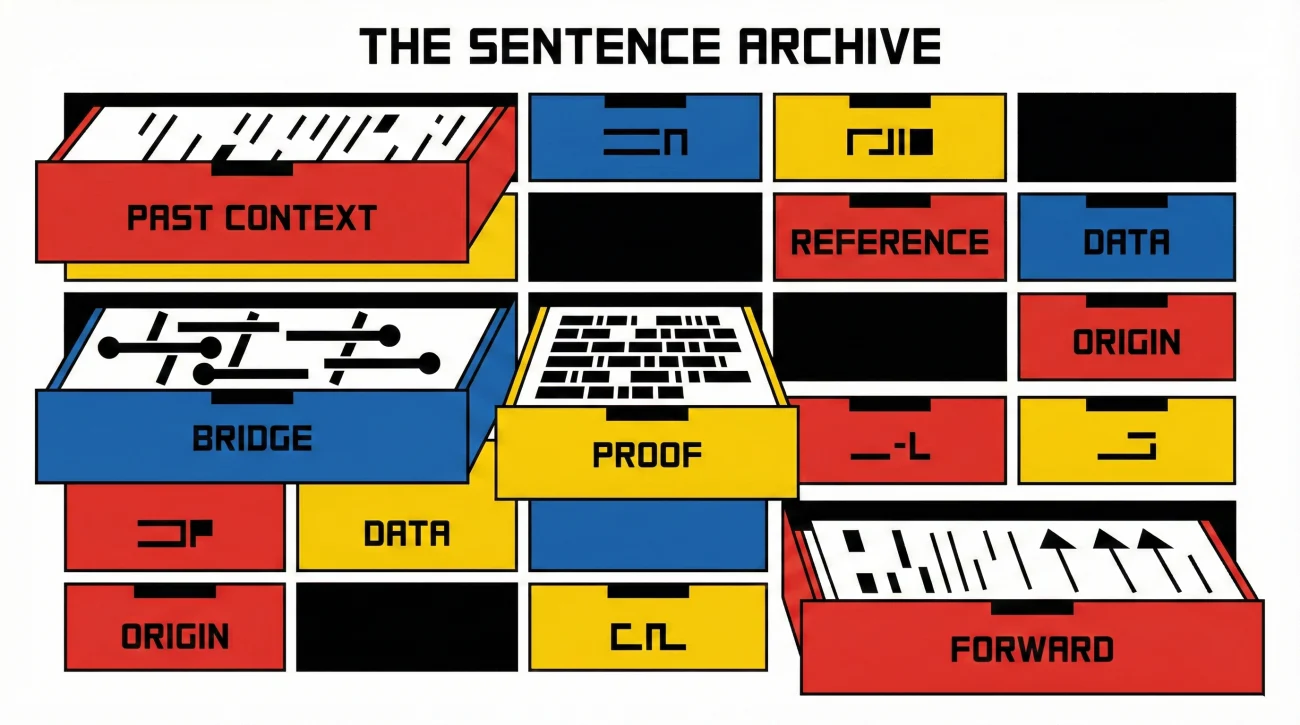
Past context lines
- In my role as a [Role], I’ve spent the last [X years] focused on [Theme].
- My background is in [Industry/Function], where I’ve led work around [Theme].
- I’ve built my career in [Lane], with consistent results in [Theme].
Bridge lines (Translation, not listing)
- The through-line is [Capability], which is exactly what this role needs for [Outcome].
- What I’ve learned in [Old context] translates directly to [New context] because [Reason].
- I’ve already done the core work: [Capability], measured by [Metric/Result].
Proof token lines
- To make the transition real, I built [Project] where I [Action] and achieved [Result].
- I’ve completed [Course/Certification] and applied it in [Small real-world use].
- Outside my day job, I’ve been doing [Proof activity] to sharpen [Skill] in a practical setting.
Forward signal lines
- I’m excited to bring that combination of experience and fresh execution to your team.
- I’m ready to contribute quickly because the learning curve is already in progress.
- I’m looking for a role where I can apply this direction full-time and keep building depth.
One small tip from a hiring manager friend of mine: If you use the word “passion,” pair it with proof within the same sentence. Otherwise it reads like a hope, not a plan.
Do-Not-Say List: Phrases That Accidentally Sound Unstable
If you want to explain career change in cover letter without raising concern, avoid phrases that imply you might change your mind again soon.
- 🚫 “I’m exploring different paths right now.”
- 🚫 “I’m not sure what I want, but this looked interesting.”
- 🚫 “I’ve always dreamed of doing this.”
- 🚫 “I’m leaving my industry because it burned me out.”
- 🚫 “I just need a chance to prove myself.”
These lines are honest for many people. They also trigger predictable doubts: Commitment, readiness, and whether the pivot is emotional instead of intentional.
“So are you actually switching, or are you just applying everywhere because you’re tired of your current job?”
I have heard a version of that sentence in debriefs more times than I can count. The fix is not pretending you love everything. The fix is showing direction and evidence.
Note: If you mention a negative reason at all, keep it neutral and short. Then immediately move to skills, proof, and forward momentum.
How to Tailor the Paragraph in Six Minutes

You do not need a brand-new paragraph for every application. You need one stable core paragraph, then you swap in the right proof and the right outcome.
Step 1: Pick one achievement that looks “native” in the new role
Choose the result that would still sound impressive even if the reader forgets your old industry. This is how you build credibility fast.
Step 2: Translate the achievement into their scoreboard
If you are switching from education to corporate L&D, talk about adoption and retention. If you are switching from hospitality to customer success, talk about renewal and churn prevention. The skill stays the same, the scoreboard changes.
Step 3: Add one proof token that is impossible to misread
This is where a career transition cover letter paragraph becomes believable. Keep it tangible: A shipped project, a portfolio artifact, a structured course with applied work, a volunteer deliverable with scope.
- Keep the paragraph between 70 and 110 words.
- Use one metric, not five.
- Say what you did, not what you “feel.”
- End with forward signal, not a request for permission.
Final: A Career Change Paragraph Should Feel Like a Handshake
When a career change paragraph works, it does not sound like persuasion. It sounds like clarity. The reader can see what you did, how it carries over, and what proves you are already investing in the new direction.
If you keep the structure simple and the proof token real, your career change cover letter stops being a justification and becomes a bridge. That is the moment the hiring manager can focus on fit instead of trying to solve your story in their head.
And honestly, that is what most career changers want: A clean chance to be evaluated on ability, not on confusion.
❓ FAQ
🎯 Where do I place the career change paragraph in my cover letter?
Put it early, usually as the first body paragraph right after your opening. That is where it does the most work, because it prevents the reader from forming the wrong story while they skim.
🧩 Do I need to explain why I am leaving my old career?
Only enough to remove confusion. One neutral line is plenty. Then move straight into the bridge and proof. Over-explaining tends to create new doubts you did not need.
✅ What counts as a proof token if I do not have direct experience yet?
A proof token is any tangible step that shows commitment: A portfolio project, a course with applied work, volunteer deliverables, a structured apprenticeship-style experience, or a small real-world result you can describe clearly.
💬 Should I mention “passion” for the new field?
You can, but pair it with evidence in the same breath. A quick line about motivation is fine. A paragraph of emotion without proof often reads like a temporary mood.
🕒 How long should the paragraph be?
Aim for 70 to 110 words. Long enough to connect the dots, short enough that it still feels like a confident summary, not a defense.
🔎 What if my career change looks like a level drop?
Name it as a deliberate choice, not as a fallback. Clarify the role you are targeting, the skill that transfers, and what you have done to be effective in that role. When you frame the move as intentional, the “why would they accept this level” question gets quieter.
⚠️ Disclaimer: ResumeSolving provides resume, cover letter, job search communication, and career transition guidance for informational purposes only. Hiring practices vary by employer, role, location, industry, and individual circumstances. We do not guarantee interviews, job offers, ATS results, or other outcomes. Verify employer requirements directly and follow applicable laws and workplace policies. For sensitive situations, use only information you are comfortable disclosing and keep all statements accurate.