Age Signals on a Resume: 18 Things to Remove or Reframe (Without Lying)
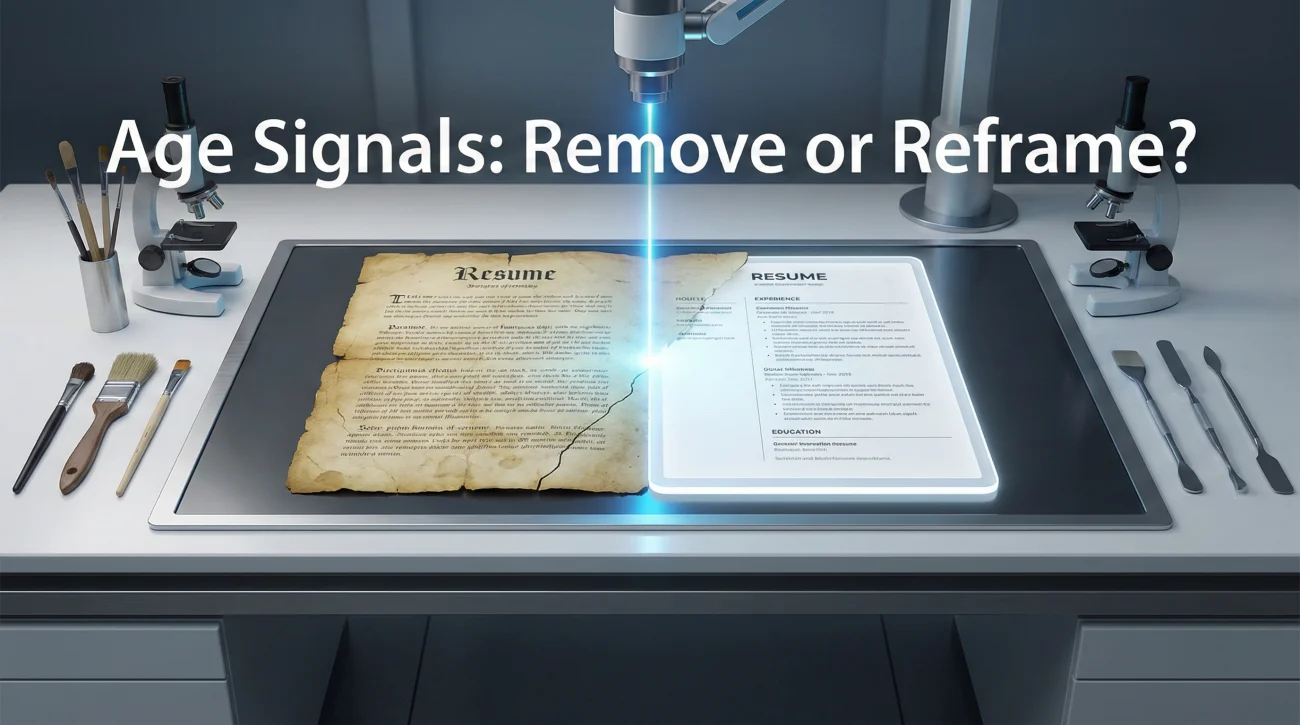
Ageism On Resume What Not To Do

Most “ageism tips” focus on dates. Recruiters also notice language, formatting, and outdated signals that read as “not current.” Use a remove vs reframe rule: Delete details that add no hiring value, rewrite the rest to show recent impact and adaptability. Run a 7-minute self-scan before you apply. Small edits can change the first impression

Resume Summary That Avoids Age Signals: Emphasize Recent Impact Without Sounding Overqualified

Older Worker Resume Summary

You can keep senior credibility without “age signals” by leading with recent outcomes, current tools, and role-fit scope. Use one of the three summary patterns below, then run the do-not-do scan before you submit. If you’re getting “overqualified” feedback, it’s usually a wording and scope problem, not your actual capability. The problem isn’t your age:

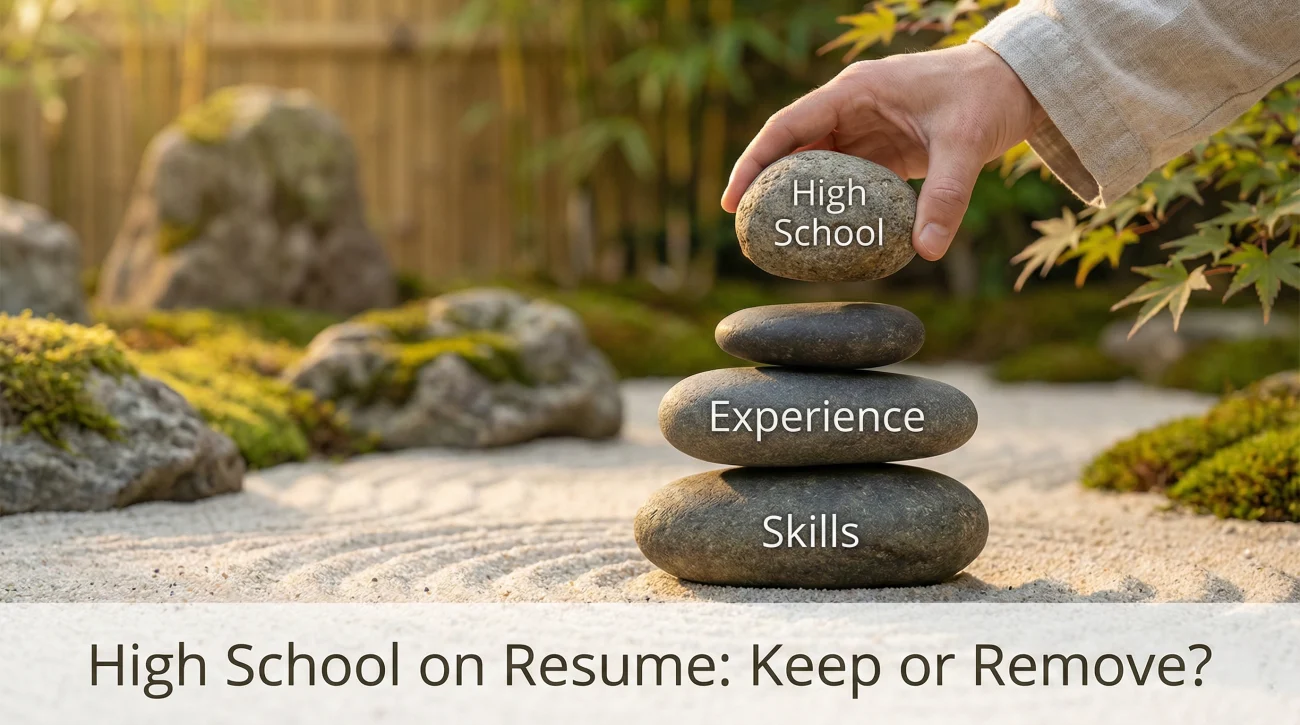
High School on a Resume: When to Remove It and What to Use Instead

Remove High School From Resume

If you have a college degree, high school usually adds zero value and can quietly age you. If high school (or GED) is your highest credential, keep it, but tighten the wording and remove dates that invite assumptions. The goal is not to hide the truth. It is to stop Education from stealing space and

Modernize Your Resume Wording: Replace 20 Dated Phrases Without Sounding Like a Bot

Modernize Resume Wording

“Modernize” is less about fancy words and more about swapping old signals (self-praise, responsibility-only) for evidence. Use the 20-phrase replacement table to update Summary and bullets without sounding robotic. Run a 6-second self-check: If a line could fit any job, it is probably dated wording. The Real Problem With “Old-Sounding” Resume Language I can usually

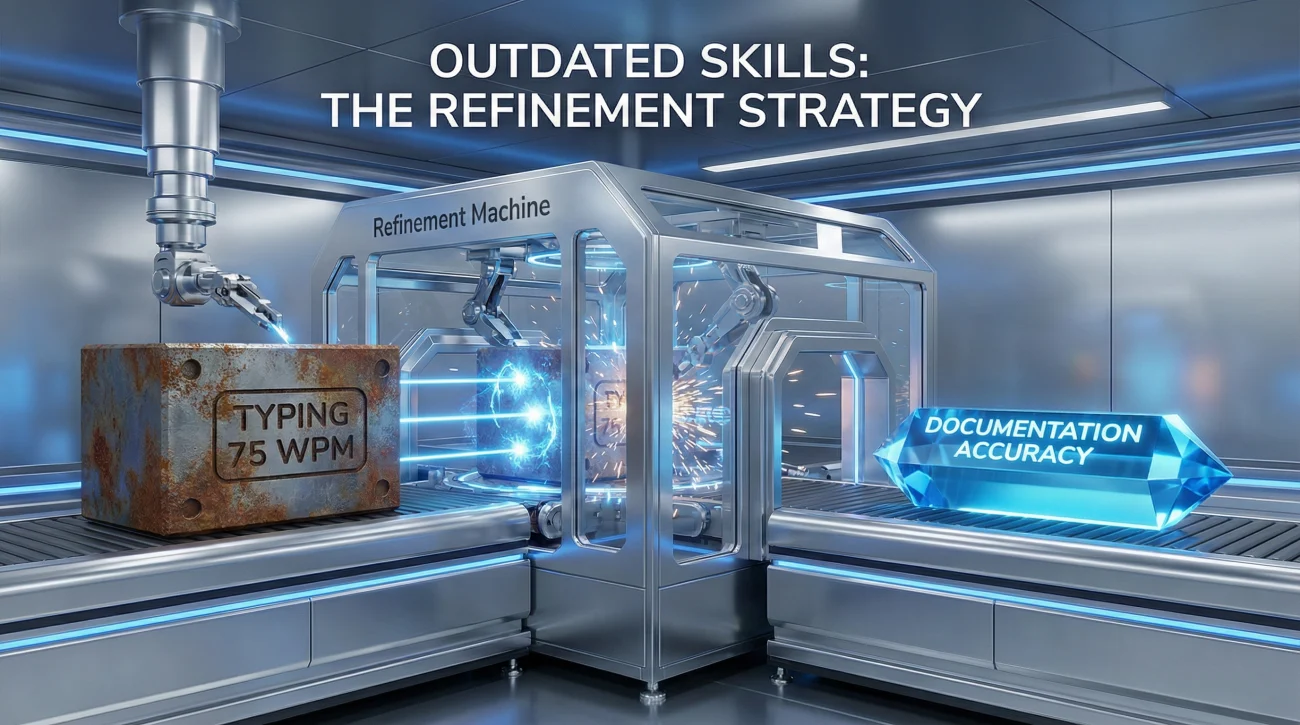
Outdated Skills on a Resume: What to Remove, What to Keep, and How to Reframe It

Outdated Skills On Resume

Your skills list is a time stamp: A few “small” items can make the whole resume feel old. Don’t just delete: Use a 5-question test, then reframe into proof bullets and specific capabilities. Keep legacy skills only when they are job-relevant: Present them as “current use” or “modernization” work. Why Outdated Skills Are Not Just

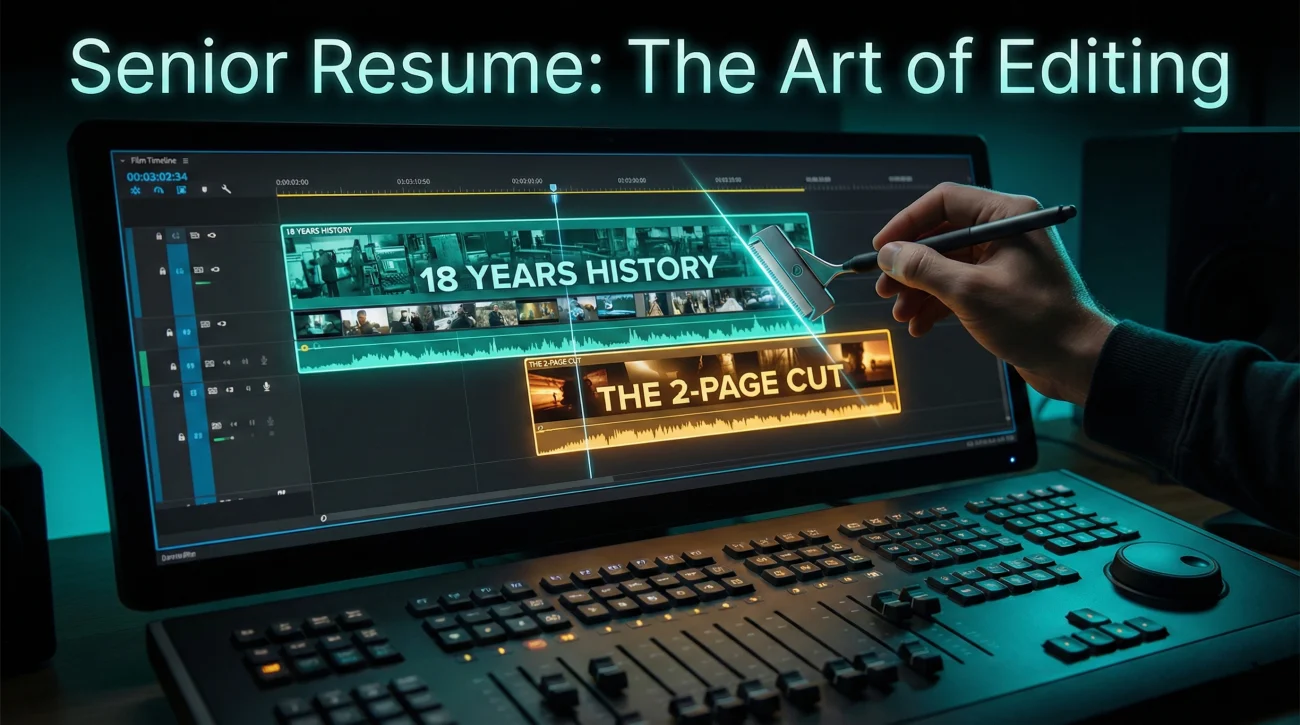
Resume Length for Senior Professionals: When 2 Pages Is Normal and When It Looks Unedited

Resume Length For Senior Professionals

For most senior candidates, two pages is not “extra”, it is the minimum space needed to show scope, leadership, and outcomes without cramming. The real risk is not length. The risk is looking unedited. Page two must earn its keep with proof that changes a hiring decision. Use the decision rules and trimming checklist in

How Far Back Should a Resume Go: The “10 to 15 Years” Rule That Fails Senior Candidates

How Far Back Should A Resume Go

The “10 to 15 years” rule is a starting point, not a strategy. Your real job is to balance relevance, credibility, and age-signal risk. Use an “Earlier Experience” block so you can keep continuity without turning your resume into a biography. Why This Question Gets People Rejected for the Wrong Reason I once worked with

Ageism Proofing: Remove Age Signals Without Erasing Your Credibility

Older Worker Resume

Recruiters estimate your age within 6 seconds. The signals are not just graduation year – they are email format, tools listed, jargon used, and resume length. The goal is not hiding experience. It is presenting experience in modern packaging that signals current relevance. Remove what dates you. Keep what proves you can do the job