- This question is rarely about the conflict. It is about your judgment, emotional control, and how you protect delivery when alignment breaks.
- Use one of four safe patterns: Process mismatch, Expectation alignment, Priority trade-off, or Feedback loop repair.
- Keep the story small, specific, and closed. Add one boundary line, one action you took, and one measurable outcome.
A Conflict Story Is Not A Confession
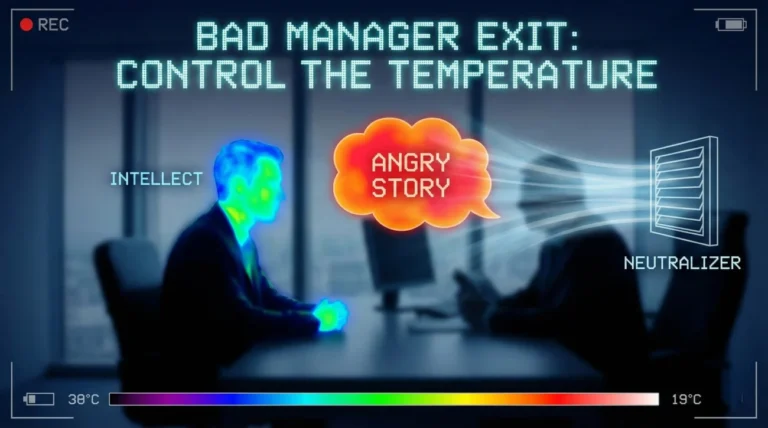
When an interviewer asks about conflict with a manager, they are not inviting you to relive your worst season at work. They are watching for something simpler: Do you stay professional when you do not get your way, and do you know how to get back to alignment without making it personal?
That is why how to answer conflict with manager interview question is less about having the “perfect” story and more about choosing a safe frame. The safest frame is one where reasonable adults could disagree, the disagreement stays on work, and you can show what you did next without sounding like you needed rescuing.
I have watched strong candidates lose momentum here, not because they handled conflict badly, but because they told the story like a courtroom transcript. They tried to prove they were right. The interviewer heard: “This person escalates tension.”
Key Point: Pick a story where your manager can still look like a competent leader, even if you disagreed in the moment.
What The Interviewer Is Actually Testing
What are they trying to find out when they ask about conflict with your manager?
Most hiring managers are not grading you on whether your manager was “fair.” They are grading three things: your judgment, your communication under pressure, and your ability to protect delivery when alignment gets messy.
| What they listen for | What it signals | What it should sound like |
|---|---|---|
| Ownership without self-blame | Maturity, not defensiveness | “Here is what I did, here is what I learned.” |
| Respect for the chain of decision-making | You can work with leadership | “I shared my view, then supported the decision.” |
| Specific actions, not labels | You solve problems, not narrate drama | “I clarified expectations and aligned on metrics.” |
| A closed ending | Low risk of repeating the issue | “We agreed on a process and moved forward.” |
⚠️ Warning: If your story ends with “And then HR got involved” or “And then I quit,” you need a different story unless you can frame it as a calm, policy-based resolution with a clean outcome.
The Four Safe Answer Patterns
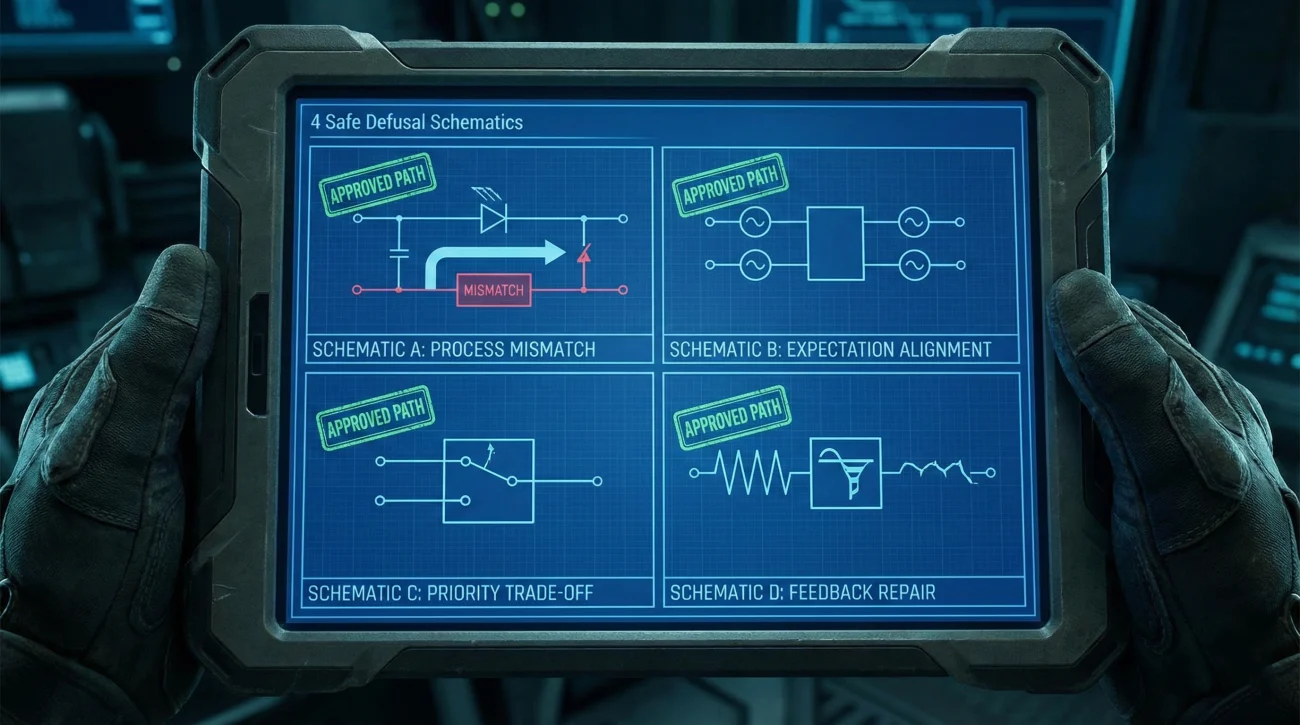
Pattern 1: Process Mismatch
This is the safest pattern because it keeps the disagreement on a system, not a personality. The conflict is about “how we do the work” rather than “who is wrong.”
[Context] + [What broke in the process] + [What you proposed] + [How you aligned] + [Result]
One colleague of mine, Jordan, led operations for a mid-size ecommerce team. Their manager wanted daily status updates in Slack. Jordan felt it created noise and hid the real blockers. The “conflict” was not about control, it was about signal quality. Jordan proposed a two-part rhythm: a short daily checkpoint for true blockers, plus a weekly dashboard for metrics. The manager agreed to trial it for two sprints. Delivery improved, and the manager actually liked the visibility more because it was structured.
Pattern 2: Expectation Alignment
This pattern works when the conflict was caused by ambiguous ownership, unclear success criteria, or a mismatch between what “done” meant to you and what “done” meant to them.
A candidate I coached, Mei, described a situation where her manager kept changing feedback late in the review cycle. Instead of calling it micromanagement, she framed it as a clarity gap. She asked for a checkpoint earlier in the cycle and summarized feedback in writing after each meeting. The manager stopped “surprising” the work at the end, and both sides felt less friction.
💡 Pro Tip: Make your “alignment move” concrete. Say what you wrote down, what you confirmed, and what you tracked.
Pattern 3: Priority Trade-Off
This is a great option when the disagreement was about timeline, scope, or sequencing. It lets you show judgment without needing to “win.”
I like this pattern because it matches real life. Leaders constantly ask for two urgent things at once. Conflict is often just a collision of priorities.
Carla, a marketing lead I worked with years ago, had a manager who wanted a campaign launch moved up by two weeks while also requesting a new set of partner assets. Carla did not argue. She asked one question: “Which outcome matters more for this deadline?” She then offered two options with trade-offs. The manager chose the faster launch with a smaller asset set, and Carla documented the decision so no one felt blindsided later.
Pattern 4: Feedback Loop Repair
This pattern is useful when the conflict was about communication style. You keep it safe by describing a repair, not a critique.
For example: you received blunt feedback, you felt it lacked context, and you asked for a clearer structure going forward. The key is to describe your request in neutral language and show the result was better collaboration.
Here is the line that keeps it mature: “I adjusted the way I asked for feedback so it was easier to give.”
How To Choose The Right Story In 30 Seconds
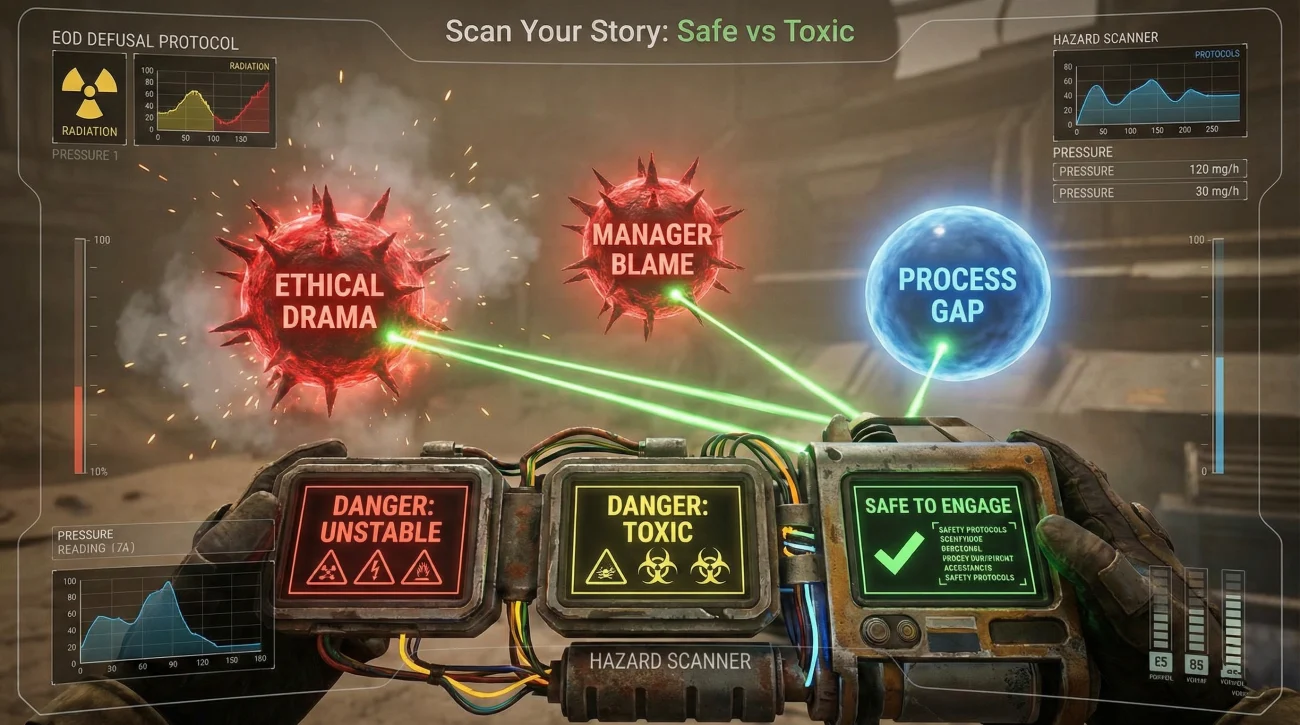
If you freeze on this question, it is usually because you are trying to decide whether to tell the truth or tell a “safe” story. You can do both. You just need to choose a conflict that is professional, bounded, and closed.
- ✅ Pick a conflict about scope, timing, quality bar, priorities, or process.
- ✅ Pick a conflict you resolved without needing a third party to “judge” it.
- ✅ Pick a conflict where you can name one behavior you changed, even if you still disagreed.
- ❌ Avoid ethics accusations, harassment narratives, or legal claims in an interview story.
- ❌ Avoid stories where the moral is “My manager was terrible.”
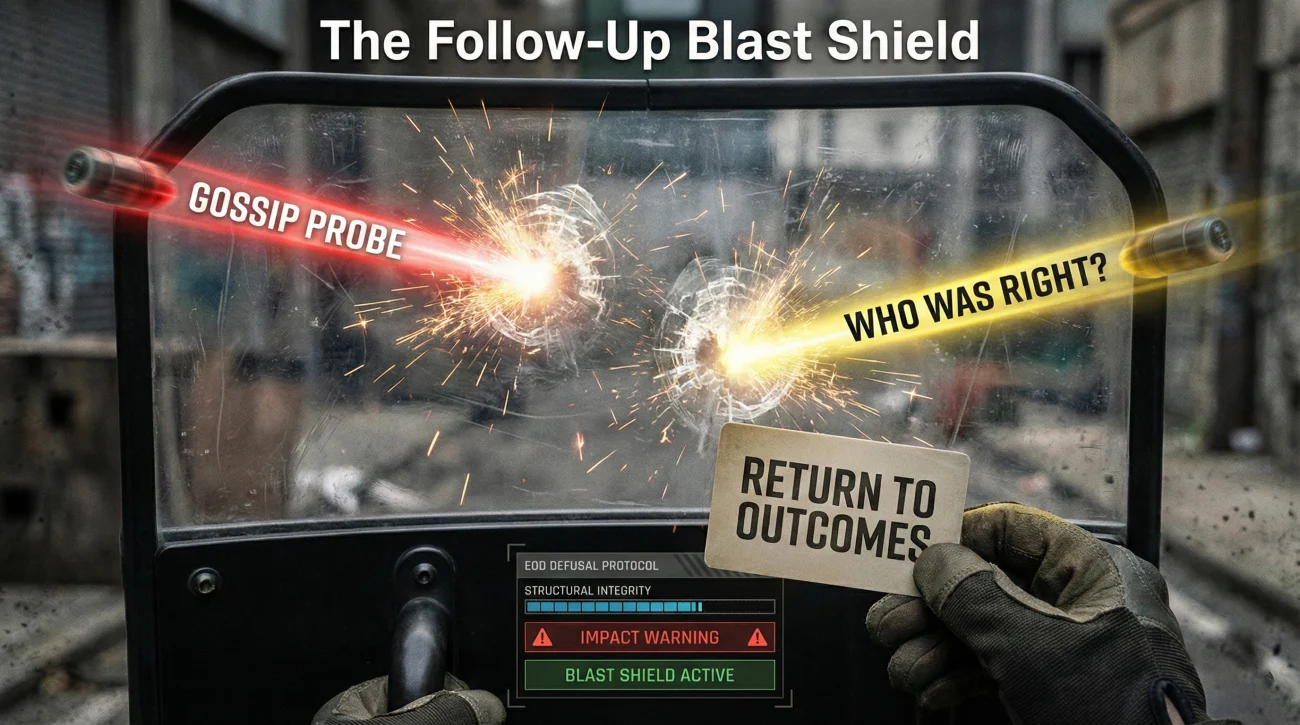
One reason this matters: interviewers often ask a follow-up that forces your framing into the open. If you start with blame, the follow-up becomes a trap. If you start with alignment, the follow-up becomes proof of maturity.
And if you are specifically searching for a bad manager interview answer, the counterintuitive truth is this: the best answer does not prove your manager was bad. It proves you can stay effective when leadership is imperfect.
The Follow-Up Playbook: What They Ask Next, And How To Stay Safe
Follow-up: What did you do first?
Your first move should sound calm and adult. The safest first move is clarification, not confrontation.
“First, I asked a few clarifying questions to make sure I understood the goal and constraints. Then I shared my perspective with two options, so we could choose based on trade-offs.”
Follow-up: Did you push back or escalate?
This is where people accidentally sound difficult. The best move is to show you raised your concern once, clearly, and then supported the decision.
“I raised the risk early and offered an alternative. Once we agreed on the decision, I committed to making it work and kept my manager updated on the outcomes.”
Follow-up: What would you do differently?
Do not say “Nothing.” Give one improvement that makes you look coachable but not incompetent.
“I would bring the alignment conversation forward by a week next time, so we are not debating scope when we should be executing.”
Follow-up: What did you learn?
Keep the learning about process, communication, or expectation setting, not about how awful people can be.
“I learned that if I want fewer surprises later, I need to confirm success criteria early and summarize decisions in writing.”
💡 Pro Tip: If you feel yourself drifting into emotion, return to one neutral sentence: “We aligned on a process and moved forward.”
Ten Phrasing Examples You Can Reuse Without Sounding Scripted
Ten lines is where UX usually dies when people stack “copy and paste” blocks without air. So I split them into four small groups. Each group matches a situation you actually run into, so you can pick one line that fits your story and say it like a human.
Group 1: When The Conflict Is About Priorities
These are the lines to use when the disagreement was basically: “We cannot do everything at once.” They keep you focused on outcomes instead of frustration.
“We had different assumptions about the timeline, so I asked what success looked like by the deadline and worked backward from there.”
It puts the conversation on the goal and the clock, which is where a manager expects it to be.
“I shared a risk and offered two options with trade-offs, then supported the final decision once we chose a direction.”
It shows you can speak up once, clearly, without turning the meeting into a negotiation that never ends.
“I realized we were optimizing for different outcomes, so I aligned us on the metric that mattered most.”
That sentence keeps the disagreement out of opinion territory and into measurable reality.
Group 2: When Expectations Keep Moving
If the tension came from late feedback or shifting “done” definitions, your job is to sound structured, not wounded. These lines do that.
“I asked for a quick checkpoint earlier in the cycle, so feedback was clearer and less disruptive late in the process.”
It reads as a process upgrade, not a personal grievance.
“I used a short written summary after our meeting to confirm we were aligned, which reduced repeated debates.”
It quietly communicates: You prevent chaos instead of reacting to it.
“I focused on what I could control: clarifying scope, documenting decisions, and delivering the work with the agreed approach.”
It signals accountability without making you sound like you were the problem.
Group 3: When You Need To Disagree Without Sounding Difficult
These are useful when you worry you will come off as combative. They keep the tone respectful while still showing backbone.
“I made sure I understood the reasoning behind the decision, and then I adapted my plan to fit it.”
That is a clean way to show flexibility while still sounding like a decision-maker.
“I separated the problem from the person and brought the conversation back to outcomes and constraints.”
Interviewers hear emotional control in that wording, which is the whole point of this question.
Group 4: When The Interviewer Pushes For Drama
Sometimes the interviewer keeps poking because they want to see if you will gossip. These two lines redirect the room without sounding defensive.
“I asked what information would make the decision easier, then provided it so we could move forward faster.”
It changes the energy from conflict to collaboration, fast.
“We disagreed initially, but we landed on a process that made future decisions smoother and kept the team moving.”
It ends the story cleanly, which helps you look low-risk.
If you want one all-purpose line you can adapt fast, use this and swap in your own nouns:
“I had a different view on the approach, so I asked a few questions to understand the goal, shared my recommendation with trade-offs, and then committed to the decision once we aligned.”
If you are searching specifically for a conflict with boss interview answer, pick the group that matches your real situation. The best line is the one you can say out loud without sounding like you borrowed someone else’s personality.
Boundary Statements That Stop The Interview From Turning Into Gossip
Sometimes the interviewer keeps digging because they want to see if you will rant. A boundary statement is a calm line that closes the emotional door without sounding evasive.
| When you need it | Say this | What it prevents |
|---|---|---|
| They ask for details about the manager | “I can keep it focused on the work. The key was how we aligned on expectations and moved forward.” | Sounding like gossip |
| They ask who was “right” | “I do not think of it as right or wrong. I think of it as constraints and outcomes.” | Winning mentality |
| They push you toward blame | “I own my part in how I communicated, and I learned how to clarify earlier next time.” | Defensiveness |
| They ask why you did not escalate | “It was resolved directly. If it had not been, I would have used the normal escalation path.” | Looking passive or reckless |
These lines are especially helpful if the conflict happened in a tense environment. If your overall story is “I left a hard workplace,” you want the conflict answer to sound like you stayed grounded, not like you were collecting grievances.
If the interviewer frames it as a problem with manager interview prompt, translate it in your head to: “How do you handle misalignment with leadership?” Then answer that question instead.
Common Mistakes That Make You Look High-Risk
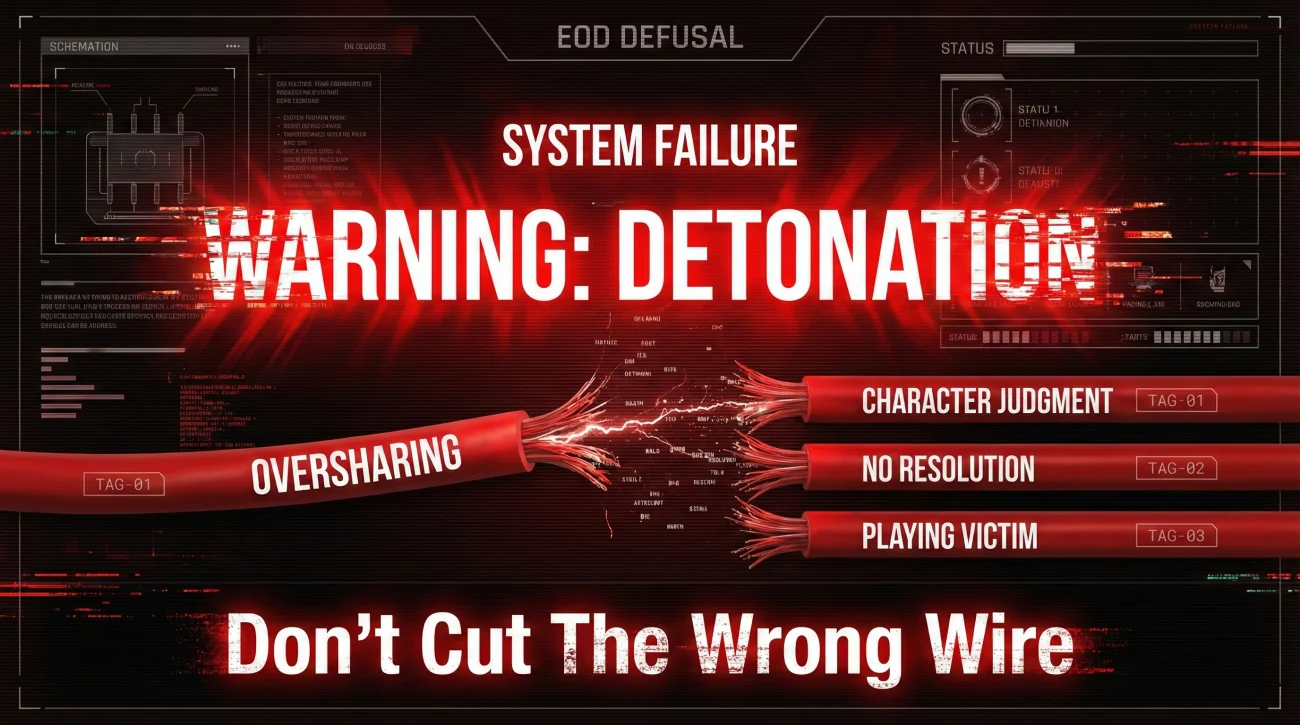
I have seen candidates sabotage themselves here with tiny wording choices. Not because they are bad people, but because the story sounds uncontrolled.
- They start with character judgments: “My manager was incompetent.”
- They overshare context: A five-minute backstory for a 20-second answer.
- They describe escalation as revenge: “I went above them because they would not listen.”
- They end without closure: The story stops at peak frustration.
- They skip their own action: The story is mostly about what the manager did.
❌ Note: If your story includes confidential details, internal politics, or named individuals, it is not “more credible.” It is more risky.
Final: Make The Conflict Sound Like Work, Not Drama
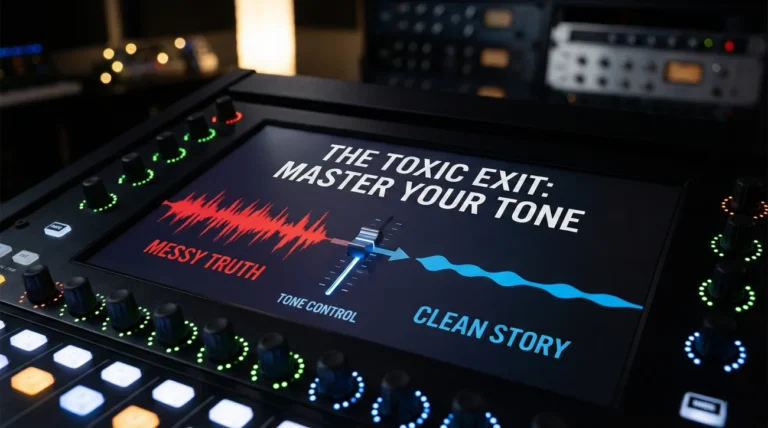
A strong conflict answer is small, specific, and calm. It keeps the disagreement on priorities, process, or expectations, and it ends with alignment and delivery. That is the signal interviewers actually want: you can disagree without becoming a problem.
When you are unsure what to say, anchor on one simple idea: you raised the concern professionally, you aligned on a decision, and you protected the outcome. If you can do that in two or three sentences, you will sound steady even if the workplace was not.
In crisis-heavy seasons, the skill behind how to answer conflict with manager interview question is the same skill that keeps careers stable: you stay respectful, you stay clear, and you keep delivery moving forward.
❓ FAQ
🎯 What if my manager really was toxic?
Choose a story that is still professional and bounded. Focus on a mismatch in priorities, process, or expectations, and show how you stayed effective. You can tell the truth without turning the interview into a verdict.
🧭 Should I say I escalated to HR?
Only if you can describe it as a calm, policy-based step with a clean resolution, and you can keep details minimal. Most of the time, a direct alignment story is safer.
🧩 What if I cannot think of a conflict story?
Use a “light disagreement” about scope, timeline, or process. The goal is not drama. The goal is to show you can communicate and align when you see risk or ambiguity.
🛠️ How long should the answer be?
Keep it to about 30 to 60 seconds. One sentence for context, one for what you did, one for the outcome. If they want more, they will ask follow-ups.
🌿 What is the safest lesson to share at the end?
Pick a lesson about earlier clarification, documenting decisions, or aligning on success criteria. Avoid lessons that sound like you learned people are terrible.
⚠️ Disclaimer: ResumeSolving provides resume, cover letter, job search communication, and career transition guidance for informational purposes only. Hiring practices vary by employer, role, location, industry, and individual circumstances. We do not guarantee interviews, job offers, ATS results, or other outcomes. Verify employer requirements directly and follow applicable laws and workplace policies. For sensitive situations, use only information you are comfortable disclosing and keep all statements accurate.