- Recruiters are not allergic to failure: They are allergic to uncertainty, open loops, and stories that sound ongoing.
- Split the story into two clean facts: When the startup ended, and what you did during the gap.
- Use one neutral line on the resume only when it reduces confusion: Otherwise, keep the explanation for the interview.
- Show closure fast, then shift to fit: Skills translated, targets clear, ready to commit.
A Founder Gap Is Not One Problem, It Is Two
Sienna built a tiny SaaS product for two years, closed it, and then stared at a resume that suddenly felt like it had a spotlight on the wrong line. The startup ending was easy to explain. The gap after it ended was what made her hesitate. She kept rewriting the same sentence until it sounded like an apology.
If you are searching for how to explain a gap after startup failed, you are usually dealing with two separate questions hiring teams quietly ask. First: What happened to the business. Second: What happened to you after it ended.
This article is about separating those questions, answering each in one clean move, and keeping your resume focused on delivery instead of defensiveness.
Key Point: The goal is not to prove you are a “good founder.” The goal is to remove doubt that you are a stable hire who can commit to the role.
What Hiring Teams Are Really Trying to Figure Out
Most generic gap advice misses the founder context. When a resume shows “Founder” plus a gap, reviewers do not only wonder why you were unemployed. They also wonder if you still see yourself as “temporarily employed” while waiting for the next venture. That is why your language needs closure signals.
| Silent Concern | What They Need to Hear | How You Prove It Fast |
|---|---|---|
| “Are they still emotionally in it?” | It is closed, and you are oriented to the next role. | A clear end date plus a calm next step. |
| “Will they leave the moment a new idea appears?” | You are choosing a role path, not waiting out the market. | Role specific targeting and commitment language. |
| “Was the work real, or just vibes?” | Scope, outcomes, and concrete responsibilities. | Metrics, shipped work, customers, systems built. |
| “Is the gap hiding something messy?” | Nothing dramatic, just transition time. | One line that normalizes the gap without oversharing. |
💡 Pro Tip: You do not need a heroic “failure story.” You need a stable “transition story.”
Split the Story Into Two Dates and One Decision

Here is the mistake I see most when founders rewrite this: They blend the shutdown and the gap into one emotional paragraph, then try to justify it. That is exactly what triggers extra questions.
Instead, use a simple structure that reads like an adult decision, not a wound:
[Startup End Date] + [Neutral Reason] + [Bridge Activity] + [Role Direction]
Examples of neutral reasons are not excuses. They are classifications. “Company closed,” “paused operations,” “transitioned out,” “returned capital,” “sunset the product.” Your exact wording depends on what is true, but your tone should stay boring.
Now add the gap separately. If you were unemployed after startup closed, that can be stated plainly as a transition period. If you freelanced, consulted, studied, cared for family, or relocated, you can name the activity without turning it into a life story.
⚠️ Warning: Avoid “I took time to find myself.” It is honest, but it reads like an open loop. Hiring teams want a closed loop.
Do You Even Need a Gap Line on the Resume
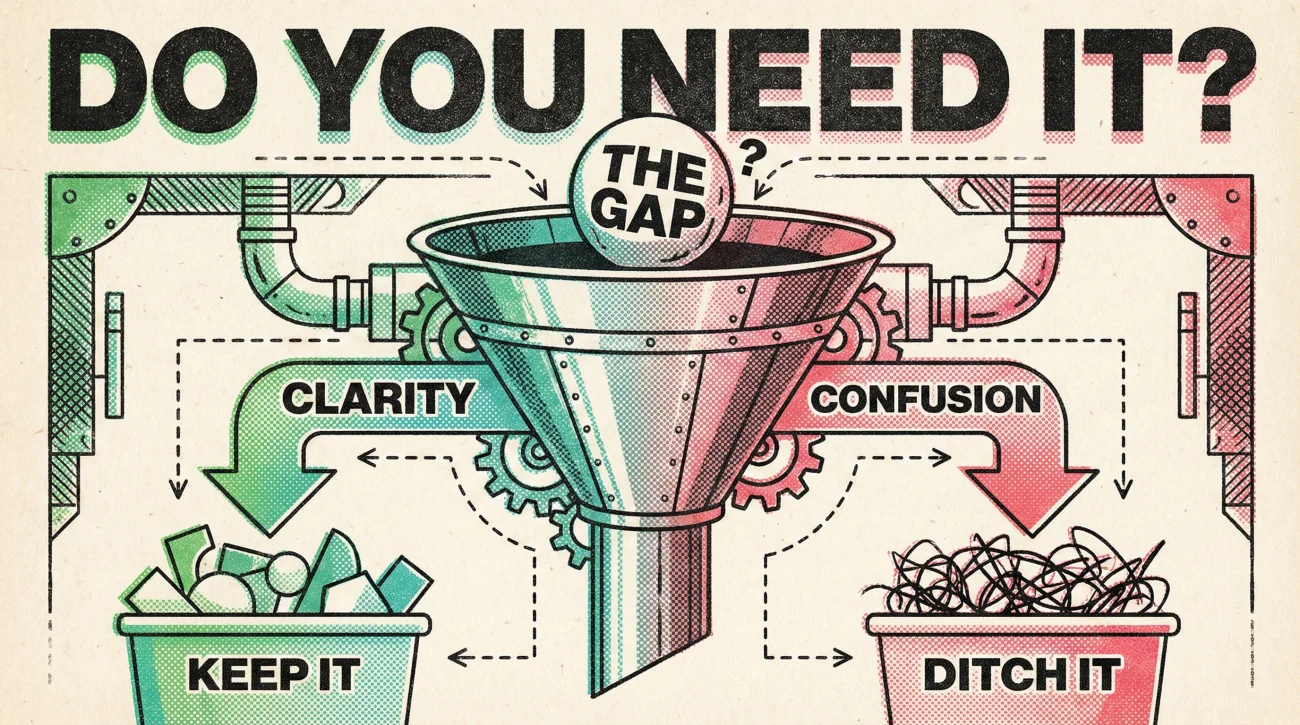
A resume is not a diary. Sometimes adding a line makes things worse because it pulls attention away from your strongest work. The decision is simple: Add a gap line only when it reduces confusion.
- If the gap is short and the startup end date is clear, you often do not need any extra line.
- If the gap is long enough to create doubt, a single neutral line can prevent assumptions.
- If you did structured work during the gap, you can convert it into a small entry that looks like real output.
So what counts as “long enough” to trigger questions?
It depends on your industry and seniority, but the practical rule is: If a reviewer can notice it in one glance, they can ask about it in one call. Your job is to make the answer calm and short.
Six Resume Lines You Can Use Without Sounding Like Damage Control
These are meant to be dropped into the right place, not stacked together. Use one line, not six. Each one signals closure, then shifts to readiness. One of them includes startup shutdown resume wording on purpose because some ATS scans for “shutdown,” “closed,” or “sunset” language in leadership contexts.
| When This Fits | One Line (Resume Safe) |
|---|---|
| Startup ended, short gap | Company closed in May 2025, transitioned into a targeted search for Product Operations roles. |
| Startup ended, longer gap | Following a planned shutdown, took a structured transition period to upskill and pursue full time roles in B2B product. |
| Consulting bridge | Post exit, delivered short consulting sprints for two startups while interviewing for full time leadership roles. |
| Training bridge | Completed role aligned training and portfolio projects during the transition after the startup ended. |
| Caregiving or personal constraint | Took a defined family related leave after the business closed, now fully available for full time work. |
| You need the blunt version | Startup shut down in Q2 2025, spent the following months interviewing and rebuilding a role specific portfolio. |
Example:
Where to Place the Line So It Helps Instead of Hijacking the Page
The placement is half the battle. A good line in the wrong spot becomes a headline. A good line in the right spot becomes a footnote.
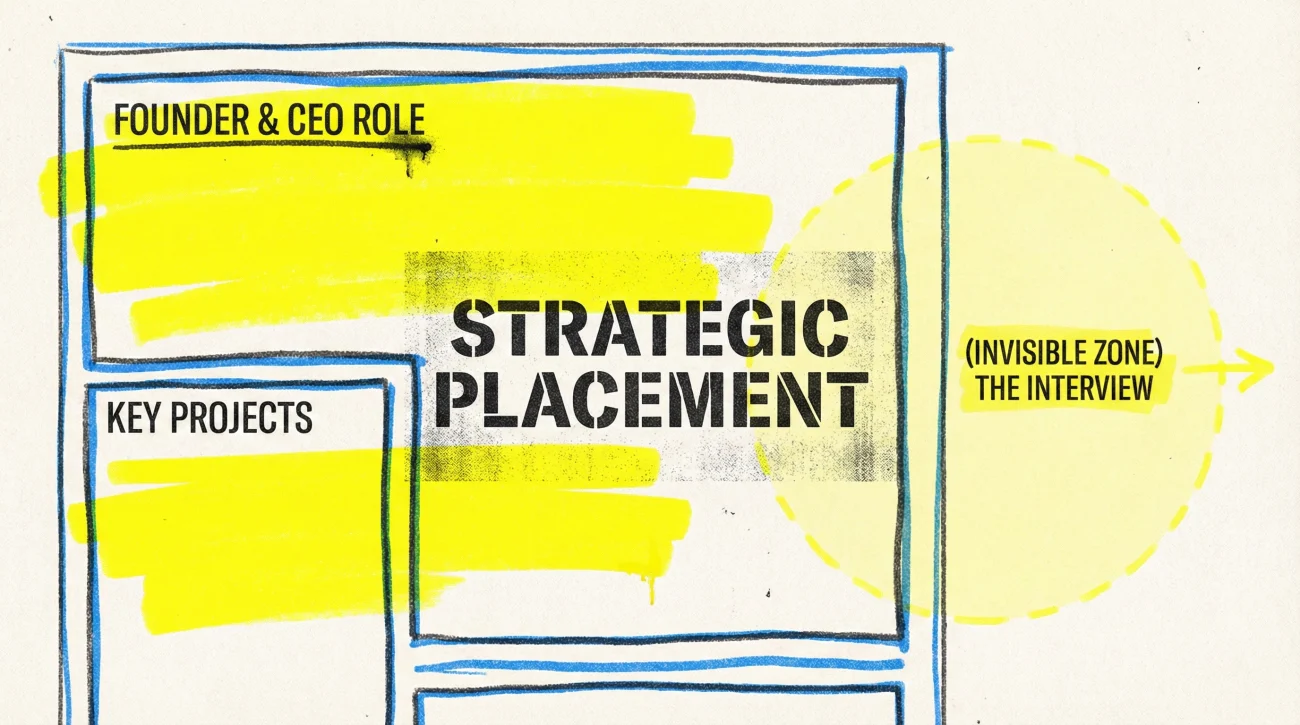
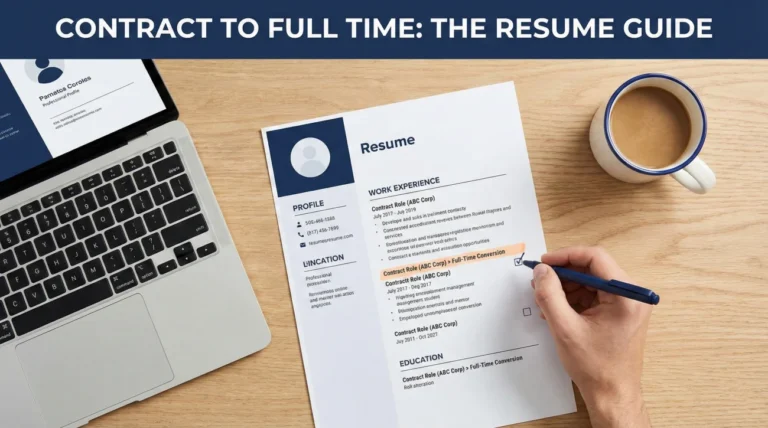
Option 1: Add a micro line inside the founder role
This is the cleanest approach when the startup end date and the gap are connected. You keep the story in one place and avoid creating a brand new section called “Gap.”
Built and launched a workflow tool used by 40+ teams; owned product, go to market, and customer onboarding
Closed operations in May 2025; transitioned into a targeted search for Product Operations roles
Option 2: Create a short “Independent Projects” bridge entry
Use this when you actually shipped things during the gap. It stops the gap from looking like pure absence. It also helps if you need to explain business failure in interview without turning the resume into the place where you do that emotional work.
Built a customer onboarding teardown for 6 SaaS products; translated findings into a 10 page playbook used in interviews
Completed two portfolio case studies aligned to Product Operations and Growth roles
Option 3: Say nothing on the resume, prepare a talk track
If your experience is strong and the gap is not extreme, silence is not dishonesty. It is focus. Your resume is allowed to be selective. Just do not get caught unprepared when asked.
A Calm Interview Answer That Does Not Turn Into a Confession
This is where founders often overcorrect. They think they need to “own the failure” with a long narrative. In reality, a confident answer is short, clear, and ends on fit.
“So what happened after the startup ended, and what have you been doing since then?”
Use a three beat answer. One sentence for the end. One sentence for the gap activity. One sentence for why this role makes sense now. Then stop talking.
- End: Keep it factual and neutral.
- Gap: Name the most structured thing you did.
- Now: Tie directly to the role you are interviewing for.
💡 Pro Tip: Your tone matters more than your words. If you sound like you are defending yourself, the interviewer will keep digging.
Three ready to use versions
Version A (Short gap)
We closed the business in May after deciding it was not the right market. I took a short transition period, then focused on a targeted search for roles where my product and ops experience is directly relevant. This role is a fit because it is execution heavy and cross functional, which is what I did daily as a founder.
Version B (Longer gap with structure)
After we shut down, I spent a few months rebuilding my portfolio around the roles I am targeting and doing a couple of short consulting sprints. I am now looking for a full time team environment where I can stay focused on delivery and scale impact inside a larger organization.
Version C (If the interviewer presses)
The company ended for market reasons, not because we stopped working. The useful part for you is what I learned and shipped: I built systems, led cross functional execution, and owned outcomes end to end. I am here because I want to apply that in a stable role path.
Common Mistakes That Make a Normal Gap Look Risky
I have watched hiring managers react to founder resumes in real time. The ones that move forward do not hide the truth. They remove drama.
- ✅ Keeping the end date clear so the story feels closed.
- ✅ Using one sentence that signals direction and availability.
- ✅ Showing concrete output during the gap if you have it.
- ❌ Writing a mini memoir about burnout, betrayal, or investor conflict.
- ❌ Using vague phrases that sound ongoing, like “taking time to explore.”
- ❌ Turning the resume into an explanation document instead of a proof document.
If you need a simple mental model, treat this as a founder transition gap issue, not a morality issue. Hiring teams are not judging your worth. They are estimating risk. Give them fewer unknowns.
Final: The Best Explanation Feels Boring on Purpose
A startup ending can feel personal. A resume should not. The strongest founder candidates I have seen do the same thing every time: They make the end date clear, they keep the reason neutral, and they show what they did next in one line that points forward.
If you are stuck rewriting the same sentence, it usually means you are trying to solve two problems at once. Separate them. Close the business story. Then describe the gap as a structured transition, not an identity crisis.
And if you want a simple anchor to keep your tone steady, remember why you are here: how to explain a gap after startup failed is not about spinning. It is about removing uncertainty so your actual skills can be evaluated fairly.
❓ FAQ
🧭 Should I write “startup failed” on the resume?
Usually no. Use neutral closure language like “closed,” “shut down,” or “sunset,” then shift to outcomes and the role you want next.
📌 Where is the safest place to mention the gap?
Most of the time, the safest place is one short line inside the founder role, because it keeps the story contained and date anchored.
🧩 What if I did nothing “impressive” during the gap?
Do not invent a productivity story. Keep it simple: A defined transition period, and you are now fully available and targeted in your search.
🧪 What if the gap is over a year?
Consider converting part of it into a small entry if you did any structured work, even if it was portfolio building, training, or consulting. If you truly did not, keep the resume clean and prepare a tight interview answer.
🎯 How do I answer if they ask “Would you start another company”?
Answer the risk directly, then move on: You are committed to this role path and want to build inside a team environment. Keep it short so it does not become a debate.
⚠️ Disclaimer: ResumeSolving provides resume, cover letter, job search communication, and career transition guidance for informational purposes only. Hiring practices vary by employer, role, location, industry, and individual circumstances. We do not guarantee interviews, job offers, ATS results, or other outcomes. Verify employer requirements directly and follow applicable laws and workplace policies. For sensitive situations, use only information you are comfortable disclosing and keep all statements accurate.