- If you were a founder, your cover letter needs one paragraph that lowers one fear: You will not take direction or you will leave fast.
- Use a 3-part paragraph: Scope you built, transferable pattern, why this role now (without oversharing).
- Copy one of the two templates below, then plug in numbers from your startup like retention, cycle time, pipeline, CAC, or team size.
The Real Problem With a Founder Cover Letter
Most founders think the risk is: “They’ll assume my startup failed.” In my experience hiring and screening, the bigger risk is quieter: “Will this person accept being an employee?” That’s why a founder cover letter can’t sound like a mini pitch deck.
I’ve watched strong candidates lose momentum because the letter screamed “founder energy” in the wrong way. It’s not arrogance on purpose. It’s habit. Founders are trained to claim ownership, speak in vision language, and compress messy reality into a confident narrative.
The fix is not writing a longer cover letter. The fix is writing one paragraph that removes friction before it appears.
🗝️ Key Point: Your founder paragraph has one job: Make it easy for a hiring manager to picture you thriving inside someone else’s system.
What Hiring Managers Quietly Worry About When They See “Founder”
Let’s name the fears. Not to shame anyone, but to write around them.
| Unspoken Fear | What Your Paragraph Must Signal |
|---|---|
| You won’t take direction or feedback | You enjoy collaboration, clarity, and constraints, and you’ve worked within them before |
| You’ll get bored and leave to start again | You have a stable reason for this move that is not “I’m desperate” |
| Your scope is inflated and hard to verify | You use measurable outcomes and concrete operating metrics |
| You only know startup chaos, not steady execution | You can run repeatable processes, handoffs, and priorities over time |
| You want senior title or special treatment | You’re motivated by the work and impact, not by being “the boss” |
Do I have to “explain” why I’m not a founder anymore?
You don’t have to confess. You do have to translate. The hiring manager is asking a practical question: “Will this person fit the role we actually need filled?” Your paragraph should answer that, not provide a startup memoir.
Three Founder Pivots I’ve Seen Go Right (and What Their Paragraph Did)
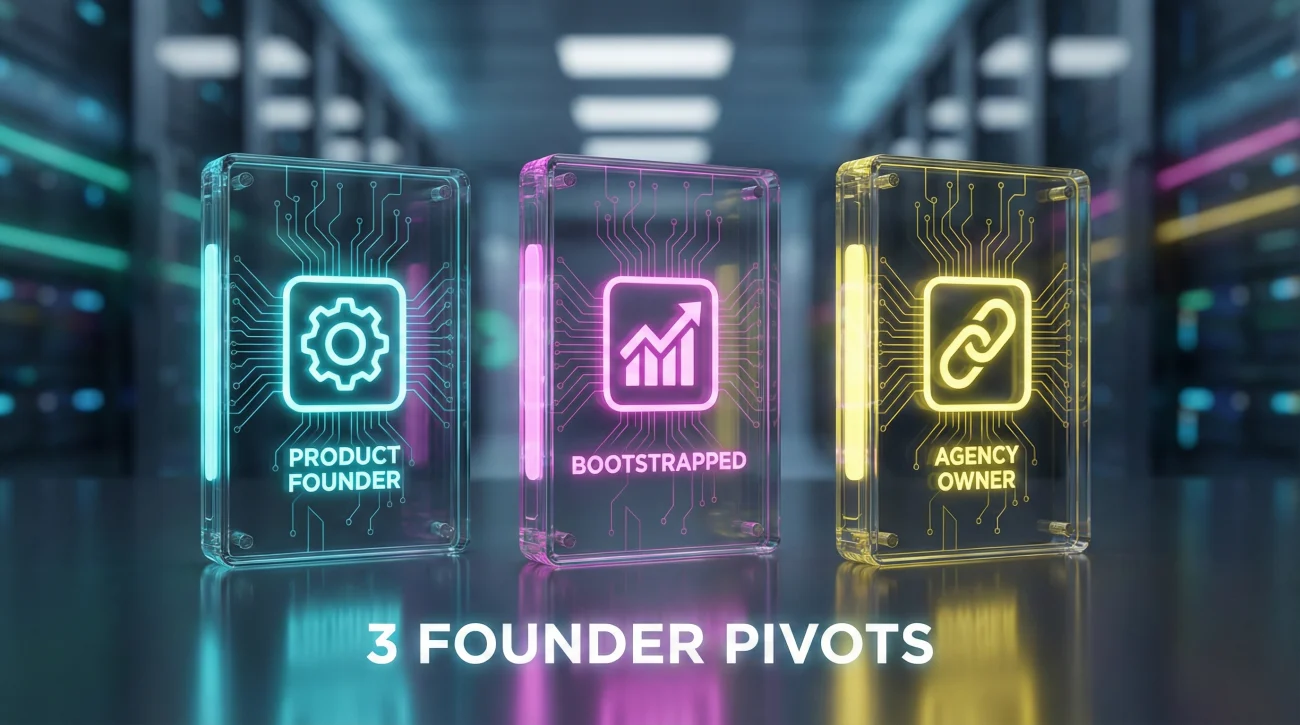
Ravi: The Product Founder Who Needed to Sound “Team-Scaled”
Ravi built a B2B SaaS product and wore every hat. His first draft cover letter was technically impressive but felt like he was applying to be CEO of the team. The hiring manager’s feedback was simple: “I’m not sure he’ll partner well.”
We changed one paragraph. He kept the scope, but added a line that signaled he liked operating inside a shared roadmap and that he’d shipped with cross-functional stakeholders, not only his own decisions. That line did more than any fancy phrasing.
Regina: The Bootstrapped Founder Who Over-Explained the Exit
Regina tried to pre-empt assumptions by explaining everything: market timing, investor decisions, personal stress, a long timeline. It was honest, but it made the paragraph heavy. The reader started wondering if the “founder chapter” was still emotionally open.
We moved her explanation from “story” to “signal.” One sentence: The company is closed or transitioned, and she’s now focused on applying her go-to-market craft in a team environment. Short, calm, final.
Aidan: The Agency Owner Who Looked Like a Flight Risk
A colleague of mine, Aidan, ran a small agency for years. When he applied for an in-house role, he wrote: “I’m ready for stability.” The manager read it as: “He’s burned out.”
We kept the truth but changed the frame: He wanted deeper ownership of one product, one customer segment, one set of metrics, over time. Same reality, better signal.
💡 Pro Tip: If you feel tempted to justify your founder story, replace justification with one calm closure line: The venture is transitioned, and you are now focused on the next role.
The 3-Part Founder Paragraph That Works in Most Industries
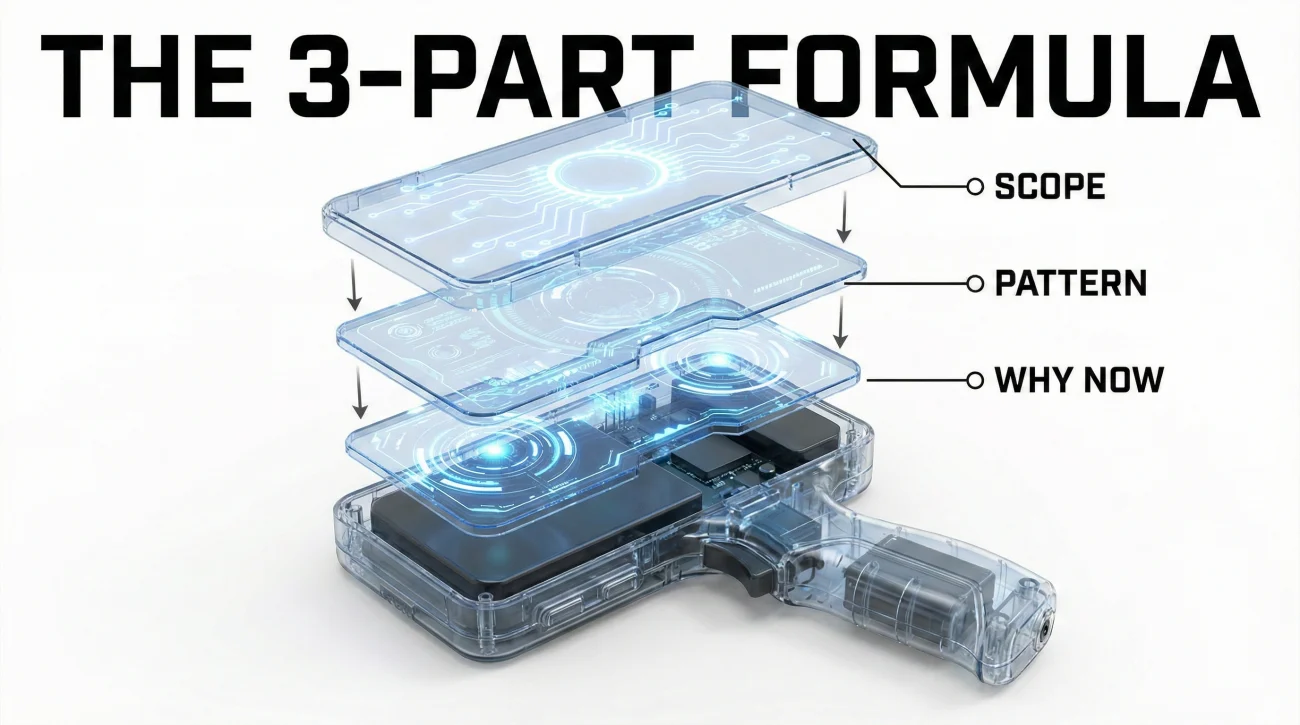
Whether you’re writing an entrepreneur cover letter or a corporate application, your paragraph should follow a simple structure.
[Founder Scope] + [Transferable Pattern] + [Why This Role Now]
Part 1: Founder Scope That Sounds Verifiable
Use operational reality, not hero language. Avoid “built everything.” Choose 2 to 3 facts a recruiter can mentally verify.
- Team size, hiring scope, and who you collaborated with
- Metrics: pipeline, conversion, retention, churn, CAC, cycle time, support volume
- What you shipped and how often: releases, iterations, experiments
Part 2: Transferable Pattern (Not a Startup Brag)
Founders often list tasks. Hiring managers want a pattern. A pattern is the repeatable way you solve problems.
Examples of patterns: Turning ambiguity into a plan, aligning stakeholders, diagnosing funnel leaks, building lightweight process, shipping in iterations, simplifying messy systems.
Part 3: “Why Now” Without Drama
This is where you remove the fear. You are not begging for stability, and you are not hiding your motives. You are calmly choosing a role where your skills compound.
⚠️ Warning: Avoid long explanations about stress, conflict, or investor issues. Even if it’s true, it shifts attention away from the job you want.
Template 1: Founder to Employee Paragraph (Product, Ops, Growth, Generalist)
This version is for roles where you will partner across teams and operate inside a roadmap. It also works as a founder to employee cover letter paragraph when you suspect “team fit” is the biggest question.
What makes this paragraph land is the last line. It quietly tells the reader: You are not chasing status, you are choosing a working style.
Template 2: Founder Paragraph for IC Roles (Engineer, Analyst, Designer, Specialist)
IC hiring managers often worry founders will fight the process or ignore constraints. This template highlights craft, collaboration, and measurable output without sounding smaller than your history.
Notice the positioning: It doesn’t pretend you were “just an individual contributor.” It simply states where you want to spend your energy now.
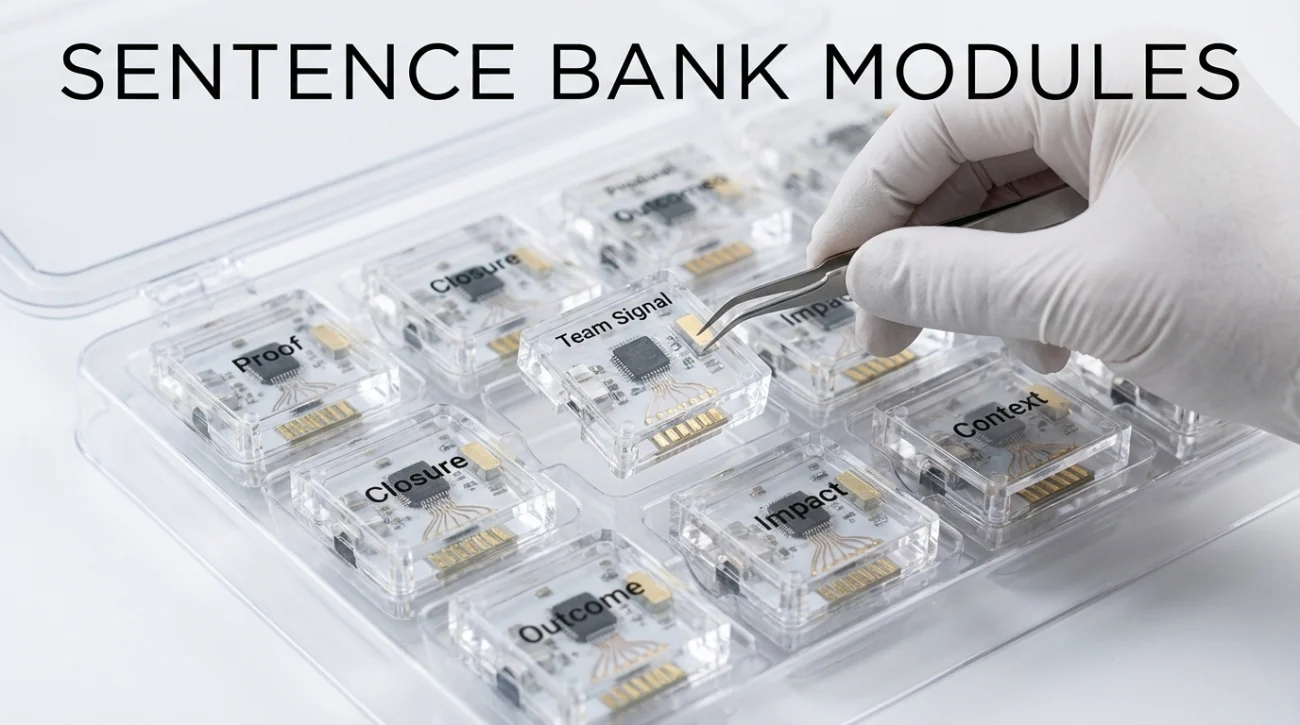
Sentence Bank: Plug-and-Play Lines That Reduce Founder Friction
Lines That Signal You Can Work Inside a Team
- I enjoy operating with clear priorities, shared standards, and direct feedback loops.
- I’ve shipped in cross-functional environments where alignment mattered as much as speed.
- I’m comfortable owning outcomes without needing to own every decision.
Lines That Answer “Why Now” Calmly
- The venture is transitioned, and I’m focused on applying my skills in a role with deeper long-term scope.
- I’m looking for a team where the work compounds over years, not just sprints of survival.
- I want to build within an established product and contribute to repeatable execution at scale.
Lines That Make Your Scope Feel Real
- Over [timeframe], we improved [metric] from [A] to [B] by changing [lever].
- I led a team of [number] across [functions], with a shipping cadence of [weekly/biweekly/monthly].
- I owned the full loop from customer discovery to delivery, using [tool/process] to keep decisions measurable.
Do-Not-Say List: Lines That Accidentally Trigger the Wrong Assumption
These lines are common in founder drafts. They are not “bad” morally. They are risky strategically.
| Avoid This | Because It Sounds Like | Try This Instead |
|---|---|---|
| I’m ready for stability | Burnout, low energy, survival mode | I’m looking for deeper long-term ownership inside a team environment |
| I built everything from scratch | Control issues, not collaborative | I owned X and partnered with Y to deliver Z |
| I’m extremely passionate about your mission | Generic template, low signal | I’m interested in this role because it matches my pattern: [pattern] with [metric] |
| My startup failed due to market conditions | Defensiveness, unresolved story | The venture is transitioned, and I’m focused on applying my skills in this role |
| I’m a visionary leader | Fluff, unverified claims | I’ve led [team size] to deliver [outcome] with a repeatable process |
❌ Note: If you feel you must mention a hard detail (shutdown, co-founder conflict, funding), keep it to one neutral clause, then move straight back to the job.
Final: Your Founder Story Is Not the Pitch, It’s the Proof
If you were a founder, you don’t need to shrink your story to sound employable. You just need to translate it into signals a hiring manager can trust: collaboration, repeatability, and a clear “why now” that doesn’t feel chaotic.
When your paragraph does that, the rest of your letter can be normal. No over-explaining. No defending. Just fit and proof.
And if you want to take the same approach section by section, founder cover letter thinking pairs well with component strategy: You remove friction where the reader is most likely to hesitate.
❓ FAQ
🧠 Should I say my startup failed in the cover letter?
Usually no. Most roles don’t require that detail. A calm closure line is enough: The venture is transitioned, and you’re focused on the role you’re applying for.
🧩 What if I’m applying to a big company that dislikes founders?
Assume they worry about team fit and flight risk. Your paragraph should show comfort with constraints, feedback, and long-term execution, plus measurable scope.
📌 How long should the founder paragraph be?
Aim for 4 to 6 sentences. Enough to cover scope, pattern, and “why now,” but short enough that it feels like a signal, not a defense.
💬 Can I reuse the same paragraph for every application?
You can reuse the structure, but swap the pattern and proof to match the job. A good rule: Change at least 2 specifics (pattern, metrics, or stakeholder context) per role.
🛠️ What if my startup was tiny and the numbers look small?
Use operational metrics instead of vanity numbers. Cycle time, retention improvement, support volume, conversion lift, and delivery cadence often translate better than revenue alone.
⚠️ Disclaimer: ResumeSolving provides resume, cover letter, job search communication, and career transition guidance for informational purposes only. Hiring practices vary by employer, role, location, industry, and individual circumstances. We do not guarantee interviews, job offers, ATS results, or other outcomes. Verify employer requirements directly and follow applicable laws and workplace policies. For sensitive situations, use only information you are comfortable disclosing and keep all statements accurate.