Reset

Career Change Resume: Make an Industry Switch Look Logical

Career Change Resume

Recruiters will not translate your experience for you. Your resume must explicitly connect old skills to new role requirements. Career change risk centers on three fears: no proof you can do the work, no context for why you are switching, and generic claims without evidence. The strongest career change resumes add proof before switching: projects, … Read more

Toxic Workplace Exit: Explain Why You Left Without Sounding Negative

Toxic Workplace Interview Answer

Toxic workplace stories trigger three recruiter fears: drama magnet, blame tendency, conflict problems. Your answer must counter all three. The goal is not lying. It is translating toxic reality into professional language that stays factual without sounding bitter. Never use the word “toxic.” Describe conditions and mismatches, not character judgments. The Negativity Trap You left … Read more

Sabbatical and Burnout Breaks: Explain Time Off Without Triggering Flight Risk

Sabbatical On Resume

Sabbaticals trigger flight risk calculations: if you left once voluntarily, will you do it again? The fix is not hiding the break. It is showing closure (why it ended) and commitment (why you will stay). Burnout framing requires extra care – it signals stress tolerance concerns. Frame as resolved, not ongoing. The Flight Risk Equation … Read more

Ageism Proofing: Remove Age Signals Without Erasing Your Credibility

Older Worker Resume

Recruiters estimate your age within 6 seconds. The signals are not just graduation year – they are email format, tools listed, jargon used, and resume length. The goal is not hiding experience. It is presenting experience in modern packaging that signals current relevance. Remove what dates you. Keep what proves you can do the job … Read more

Resume Bullet Points: Write Bullets That Sound Real Without Number Spam

Resume Bullet Points

Believable bullets need four things: outcome, scope, constraint, and proof nouns. Numbers are optional. Most roles do not have clean metrics. Eight proof patterns work when numbers do not exist. “Responsible for” is resume poison. Replace every instance with action that shows ownership. The Metrics Lie Every resume guide tells you the same thing: quantify … Read more

Overqualified on a Resume: Get Hired for a Lower Role Without Looking Risky

Overqualified On Resume

Overqualified triggers five fears: flight risk, comp mismatch, ego problems, boredom, and promotion pressure. Address at least two directly. The fix is not hiding experience. It is reframing scope and signaling intentional choice. Pay conversations require preparation. Anchor to the role’s range, not your history. The Conversation Hiring Managers Have About You Picture the hiring … Read more

Job Hopping on a Resume: Explain Short Stints Without Looking Like a Flight Risk

Job Hopping On Resume

Job hopping is a pattern signal, not a number. Three short stints in a row triggers concern. Ten years of varied roles does not. Recruiters fear flight risk: that you will leave them too. Every answer must include a commitment signal for this specific role. Separate what you can control (how you present it) from … Read more

Long-Term Unemployment: Reduce Risk Signals in Resume and Interviews

Long Term Unemployment Resume

Long-term unemployment triggers three recruiter fears: stale skills, low momentum, and unclear job target. Your materials must counter all three directly. Proof artifacts matter more than explanations. Show what you did during the gap, not just why the gap happened. The “why so long” interview question is coming. Prepare a calm 30-second answer that includes … Read more

ATS Reality: What the Parser Breaks and How to Stop It

ATS Resume Format

ATS does not reject resumes. It extracts text into fields. When extraction fails, recruiters see scrambled data and move on. The most common parsing failures come from columns, tables, headers, footers, text boxes, and creative section names. A clean single-column layout with standard headings passes almost every ATS. Fancy designs often break. Test your resume … Read more

Resume Summary: Write 4-6 Lines That Make the Rest of Your Resume Easier to Believe

Resume Summary

A resume summary is not an introduction. It is a credibility snapshot that makes everything below it easier to believe. Four elements make summaries work: target role clarity, proof hint, scope signal, and professional tone. Miss any one and the summary falls flat. Keep it between 3 and 5 lines. Longer summaries read like you … Read more

Freelance to Full Time: Make Independent Work Look Like a Stable Career

Freelance To Full Time Resume

Recruiters fear freelancers are unstable, inconsistent, and unable to work within teams. Your resume must counter all three signals. Structure matters more than content. How you organize freelance work determines whether it reads as a coherent career or chaotic gig-hopping. Continuity and collaboration are your two biggest proof points. Show long-term relationships and cross-functional work. … Read more

How to Explain Being Fired: Resume and Interview Fixes That Reduce Risk

How To Explain Being Fired

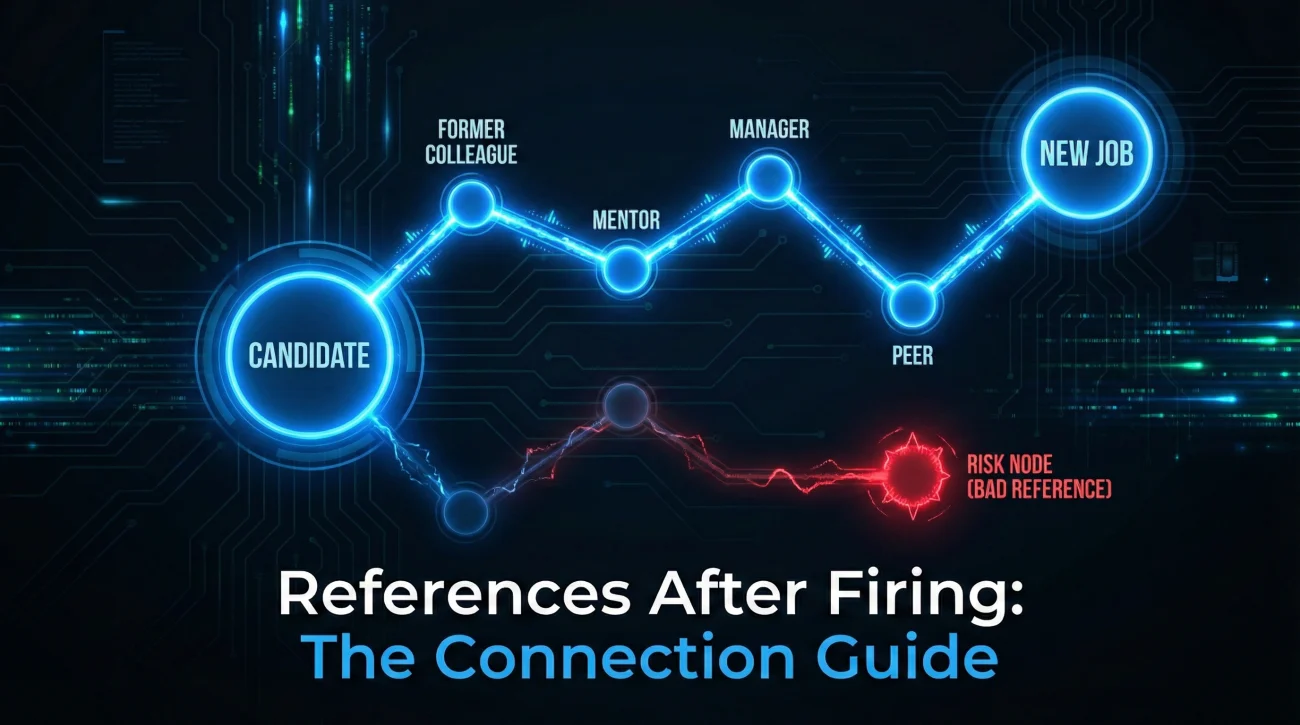
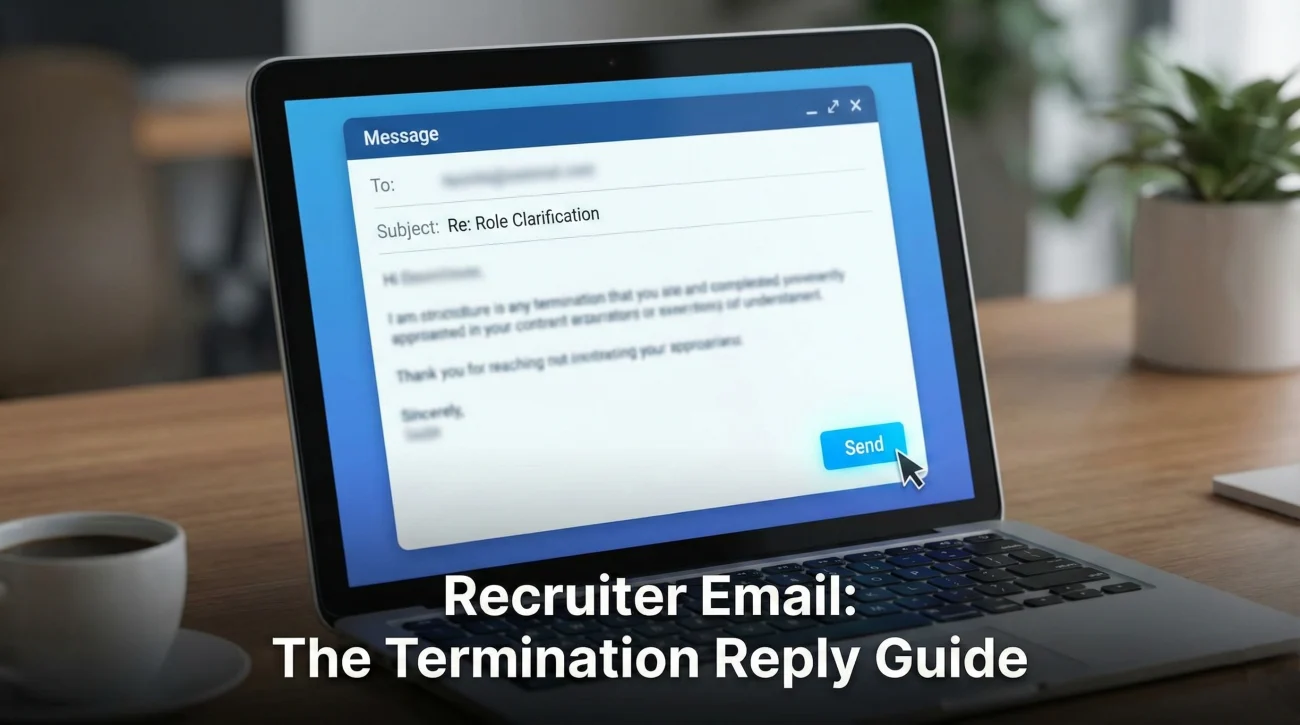
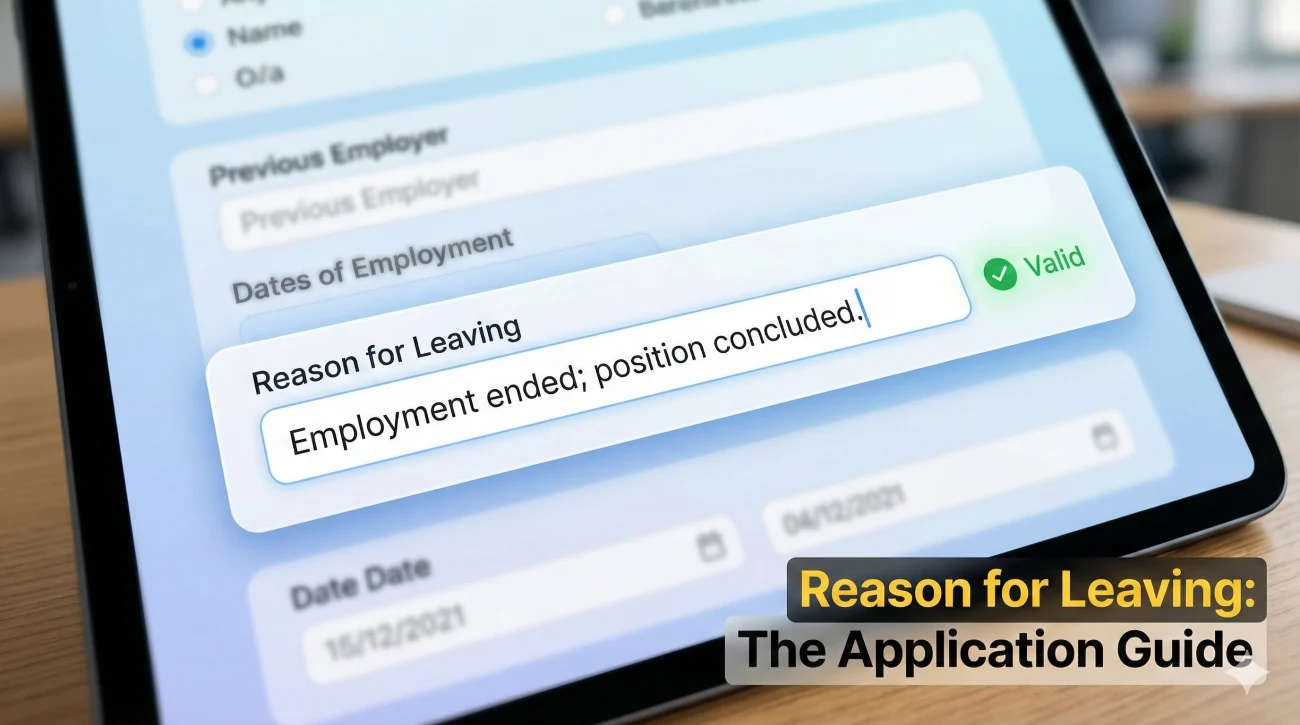
Being fired triggers three recruiter fears: trust, judgment, and performance. Your explanation must address at least one of these directly. The goal is not to hide that you were fired. It is to show accountability without self-destruction and prove you have changed what needed changing. Your resume, application forms, interview answers, and references must tell … Read more

Caregiving Gap on a Resume: What to Write Without Sounding Risky

Caregiving Gap On Resume

The recruiter fear with caregiving gaps is not judgment about your choice. It is whether you are still caregiving and whether your availability is predictable. Label it or keep it neutral depends on your situation. Both approaches work when executed correctly. Caregiving scripts must address timeline and availability, not defend your decision to care for … Read more

Remote and Async Proof: Show You Can Work Remotely Without Saying It Loudly

Remote Work On Resume

Recruiters test four things for remote roles: self-management, communication discipline, documentation habits, and delivery reliability Remote proof means showing work patterns through accomplishments, not listing collaboration tools Where you place remote signals depends on your situation: header, summary, bullets, or skills section each serve different purposes No remote experience? You likely have transferable proof from … Read more

Resume Headline and Title: Write One Line That Makes Your Target Role Obvious

Resume Headline

Your resume headline is the first line recruiters read. It must make your target role obvious in under 2 seconds. Use a simple formula: [Target Role] + [Specialization or Proof Hint] + [Scope Cue]. Choose from 4 headline patterns: role-first, proof-hint, scope-limited, or pivot headline depending on your situation. A weak headline loses the reader … Read more

Founder to Employee: Make Startup Experience Read Like a Real Job

Founder To Employee Resume

Recruiters fear four things about founders: flight risk, ego problems, vague scope, and unverifiable claims. Address all four. Translate your founder title to match the target role. “CEO” often hurts more than it helps. Show collaboration, not solo heroics. Prove you can take direction and work within structure. Use 4 mini scripts: title explanation, company … Read more