Reset

Long Unemployment Stigma: How to Make Your Resume Low-Risk Again

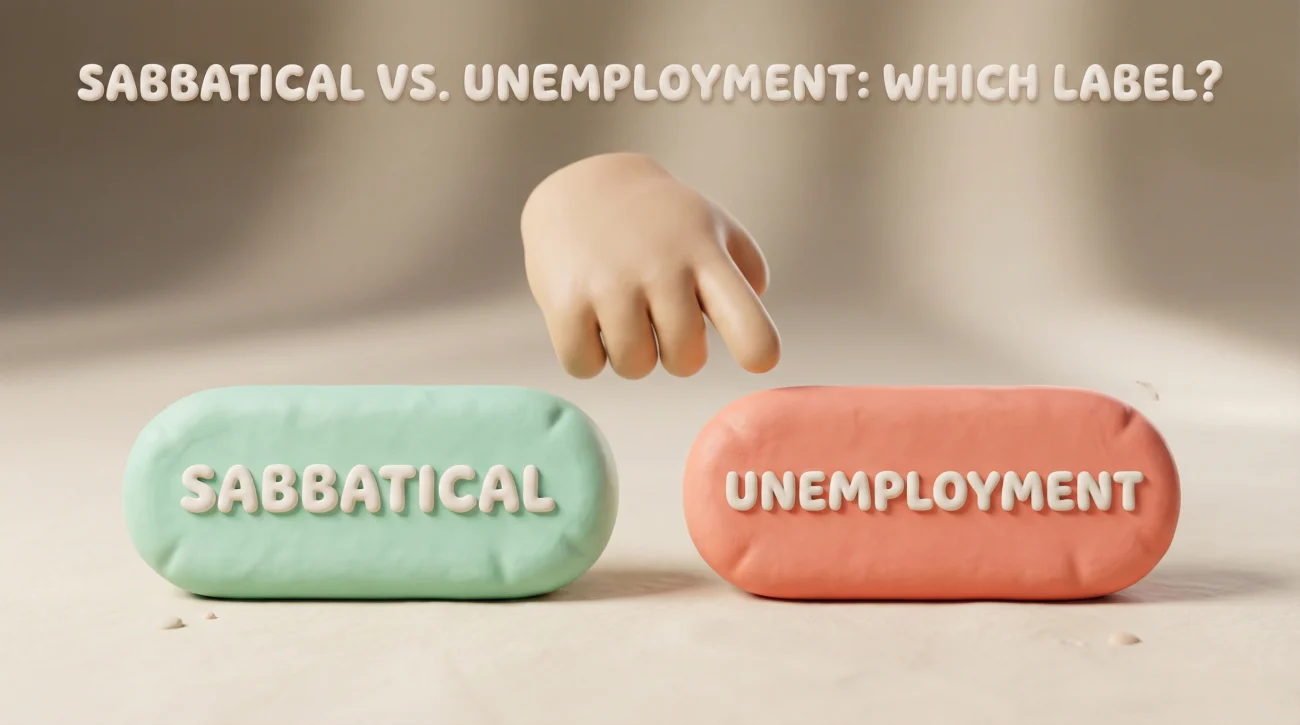
Should I Include Sabbatical On Resume

“Long unemployment stigma” is real, but most rejection happens because your resume feels hard to verify, not because you are “broken.” Your job is to reduce perceived risk fast: Lead with proof artifacts, clear scope, and outcomes that can be checked. Use neutral gap labeling plus a proof-first section and scenario-ready language that answers questions … Read more

Should You List Job Searching as Work on a Resume? Safer Alternatives That Do Not Look Fake

Should I List Job Searching As Work On My Resume

Listing “Job Searching” like a role usually reads as a credibility problem, not a hustle signal. Recruiters do not need your resume to confirm you were job hunting. They need proof of output, relevance, and stability. Use one of six safer alternatives that are artifact based: Professional Development, Projects, Volunteer, Freelance, Interim Work, or a … Read more

The Job Market Is Bad: Say It Without Sounding Like You’re Blaming Everything

How To Explain The Job Market Is Bad In An Interview

If you say “the market is bad” without a pivot, you sound passive or blamey. Your goal: Name reality briefly, show what you did anyway, then tie it to this role. Use one of the 5 frames below, avoid the 6 risky lines, and keep a clean 25-second version ready. When “The Market Is Bad” … Read more

What Have You Been Doing While Unemployed: Turn It Into Evidence

What Have You Been Doing Since You Were Unemployed Interview

If they ask what you’ve been doing while unemployed, they’re really testing proof, not your calendar. Use one of 3 short evidence patterns so your answer feels structured, calm, and verifiable. Keep 5 control lines ready so the conversation doesn’t drift into over-explaining or personal details. This question is not about time. It is about … Read more

Why Have You Been Unemployed for So Long? A Recruiter-Trust Answer Framework (With Scripts)

Why Have You Been Unemployed For So Long Interview Question

This question is rarely about “time.” It is a risk scan: recency, stability, and credibility. Your best answer is short, calm, factual, and proof-backed, then you pivot to value. Never decorate the gap with fake titles. Use verifiable outputs and a clean story arc. “Why have you been unemployed for so long?” is a risk … Read more

What to Put on a Resume After Years Unemployed: Proof Artifacts That Recruiters Trust

What To Put On Resume When Unemployed For Years

You do not need to invent a job title to survive a long unemployment gap. Replace “empty time” with verifiable proof artifacts: Outputs, links, references, and measurable deliverables. Use a proof-first section plus bullet templates that show scope and results, without pretending it was employment. If you have been unemployed for years, your resume needs … Read more

Unemployment Gap Explanation on a Resume: 6 Lines That Sound Professional

Unemployment Gap Explanation On Resume

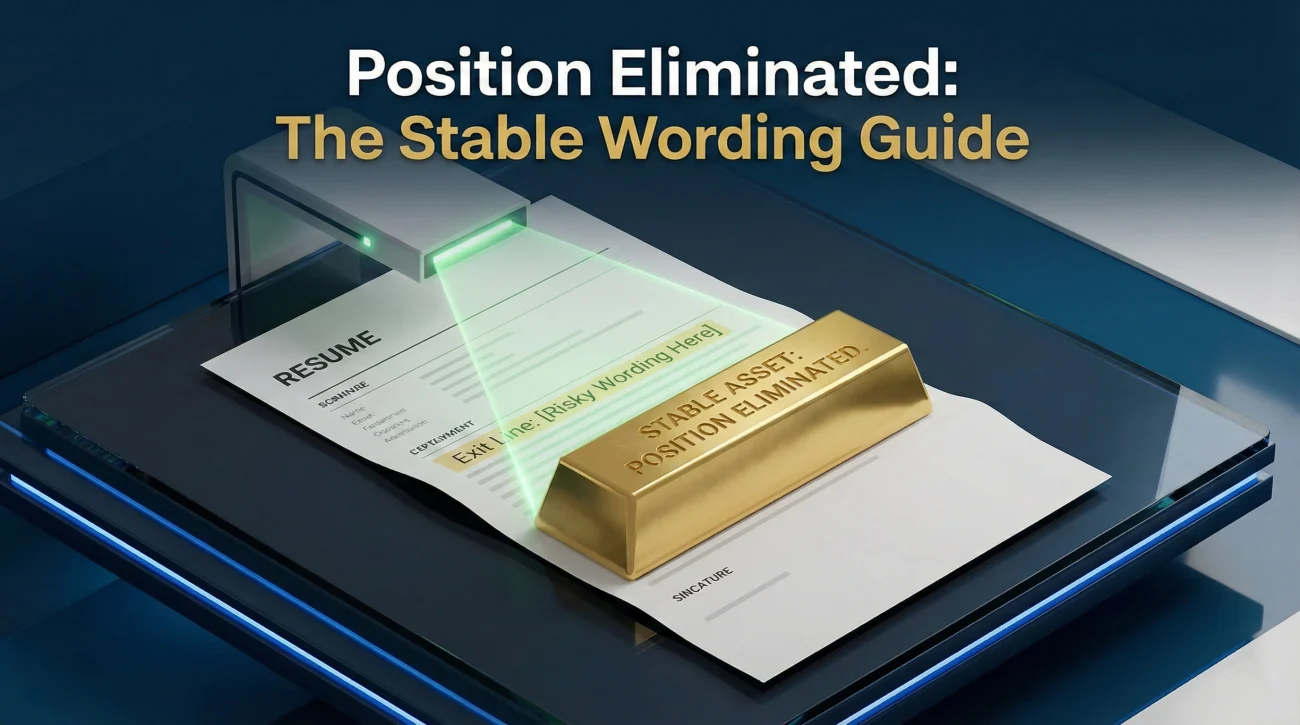
An unemployment gap is not “bad” by default. The problem is when your resume leaves the reader guessing why it happened and whether it is still happening. The safest fix is a one-sentence line that closes the loop: State what happened (briefly), anchor the timeline, then show a present-proof signal that you are work-ready now. … Read more

How to Write a Resume Summary When You Are Currently Unemployed

Resume Summary When Currently Unemployed

How to write a resume summary when you are currently unemployed without sounding risky I have watched a hiring manager skim a resume in under a minute, pause at the top summary, and then quietly move on. Not because the candidate was “bad”. Because the summary made the manager feel like they had to guess … Read more

Caregiving Gap Wording Mistakes: What Makes Recruiters Worry You’re Still Unavailable

Caregiving Gap Resume Wording Red Flags

A caregiving gap rarely scares recruiters. Wording that sounds open ended does. Most “bad” phrases trigger one of three fears: Unpredictable schedule, ongoing crisis, or oversharing risk. Use the swaps below to keep your resume clean, private, and easy to trust. One Line Can Turn A Caregiving Gap Into A Question Mark I was reviewing … Read more

Returning to Work After Caregiving: Proof and Availability Signals Recruiters Believe

Returning To Work After Caregiving Proof

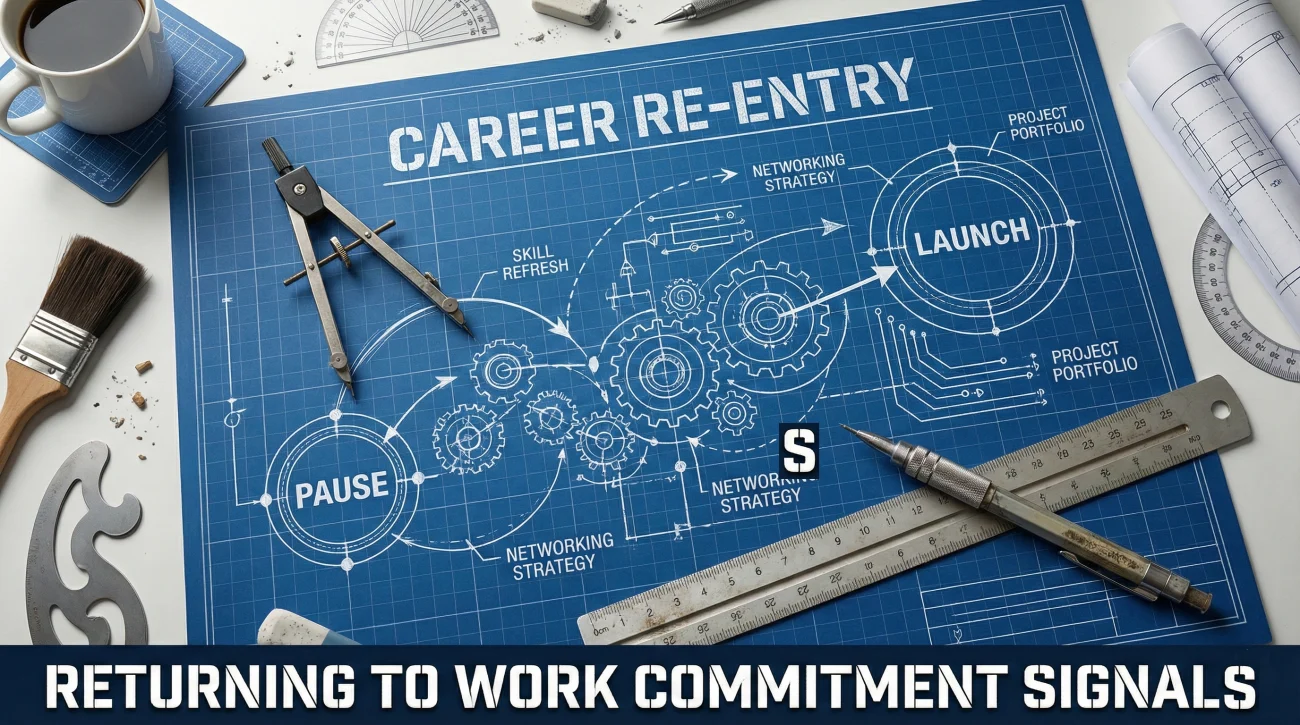
A caregiving gap rarely scares recruiters because of the reason. It scares them because your resume leaves “Is this still happening?” unanswered. The fastest fix is a proof stack: 1 availability signal, 1 recent work-like artifact, and 1 support-in-place cue. You do not need all three, but you should show at least two. This guide … Read more

If They Ask “Will You Still Be Caregiving?”: Availability Scripts That Do Not Overshare

Interview Question Will You Still Be Caregiving

This question is not about your personal story. It is about coverage, predictability, and whether deadlines are protected. The answer that works has 3 parts: Support structure, schedule clarity, and one proof marker of steady delivery. Use the scripts as templates, but choose one lane and stay consistent across rounds. The Moment This Question Shows … Read more

Caregiving Gap Interview Answer: The Timeline and Availability Script Hiring Managers Trust

How To Explain Caregiving Gap In Interview

A caregiving gap question is rarely about your family story. It is about two hiring fears: timeline clarity and future availability. The answer that lands best has a steady structure: One line for timeline, one line for what is stable now, one line that proves you can keep a work rhythm. Then you pivot back … Read more

Full-Time Caregiver Resume Entry Examples: How to Describe It Without Turning It Into a Nursing Job

Full Time Caregiver Resume Entry Example

A “Full-Time Caregiver” entry can help your timeline, but the wrong wording can accidentally make you sound like clinical staff. The safe approach is: name the period, show stability now, and translate what you did into planning and reliability, not medical duties. This page gives 8 resume entry examples, 10 bullet patterns, and a list … Read more

Caring for a Parent Gap: A Resume Line That Sounds Stable

Caring For A Sick Parent Employment Gap

A parent-care gap line should do three things: Close the timeline, signal stability, and give one small proof marker if you have it. You do not need to explain the medical story. You need language that sounds predictable and repeatable. Below are 12 copy-ready one-liners, 6 pivot lines, and a do-not-say list that accidentally makes … Read more

Family Caregiver on a Resume: When to Include It and How to Phrase It

Family Caregiver On Resume

Listing family caregiving can help when the gap is obvious and you need a clean explanation recruiters can scan in seconds. The best format is: dates + neutral label + readiness signal. No medical details. No emotional story. If caregiving is still unpredictable, do not turn it into a “job.” Keep the resume work focused, … Read more

How to Explain a Burnout Gap on Your Resume Without Sounding Risky

How To Explain A Burnout Gap On Your Resume

“Burnout” is a loaded word in hiring. You can be truthful without handing them a risk label. A strong gap explanation focuses on sustainable performance: what changed, what’s stable now, and what proof exists. Your best story is not a confession. It is a work-ready narrative that’s repeatable across resume, LinkedIn, and interviews. Burnout gaps … Read more