References for Contractors: Who to Use and How to Ask Without Making It Weird

References For Contractors

Contractor references work best when each person has a clear “verification job”: Performance, scope, or admin confirmation. Avoid scrambling by building a simple contractor reference list that mixes end-client proof with low-risk backups. Send a one-page reference brief so your referees stay consistent, especially when projects were short or under NDA. Why contractor references feel


Contract Work and Background Checks: Keep Employer Names and Dates Consistent

Contract Work Background Check

Your contract work can verify cleanly if employer names and dates match across resume, application, and background check forms. The biggest trap is agency vs client: The company you served is not always the company that can confirm you. Build one “source of truth” sheet, then copy from it every single time. Why Contract Work

Fractional and Part-Time Roles: How to List Them Without Confusing the Timeline

Fractional Role On Resume

Fractional work looks “messy” on paper when the timeline overlaps. Your job is to make the pattern obvious in one glance. Pick a structure first (umbrella role vs separate roles). Then apply consistent date rules so it reads stable, not scattered. Add one quiet proof of commitment: Retainers, renewals, long-running scope, or a clear weekly

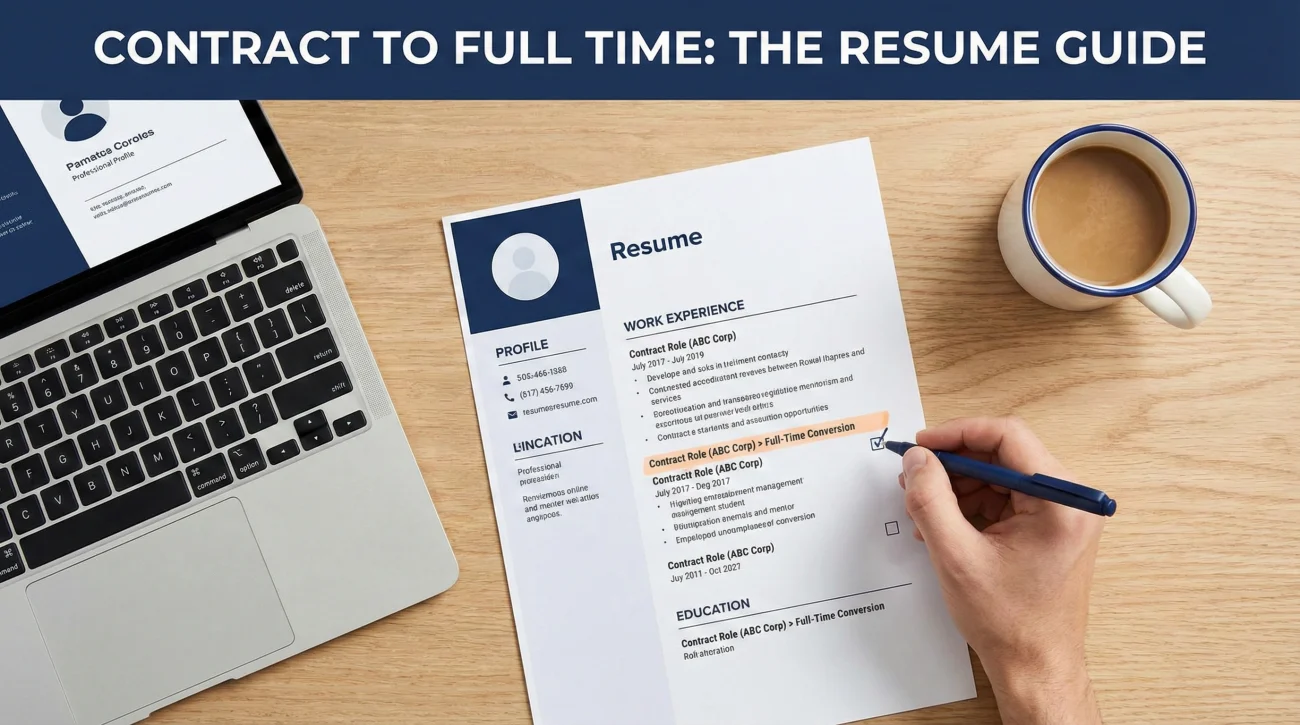
Contract to Full Time Resume: How to Mention Conversion Without Sounding Defensive

Contract To Full Time Resume 1

If your contract became full time, your goal is simple: State the conversion without changing who your legal employer was on paper. The safest wording is neutral and verifiable: Dates, entity names, and a short “Converted to FTE” note only when it clarifies the timeline. If conversion never happened, avoid “almost hired” language. Frame it

Temporary Jobs on a Resume: How to Keep Them From Looking Like Job Hopping

Temporary Jobs On Resume

If you list temporary roles like permanent jobs, recruiters read “instability”. Your goal is to make the pattern look like structured delivery. Use one of three clean formats: grouped under an agency, grouped under “Contract / Temporary Assignments”, or separated only for high-signal roles. Keep resume and application aligned: You can curate a resume, but

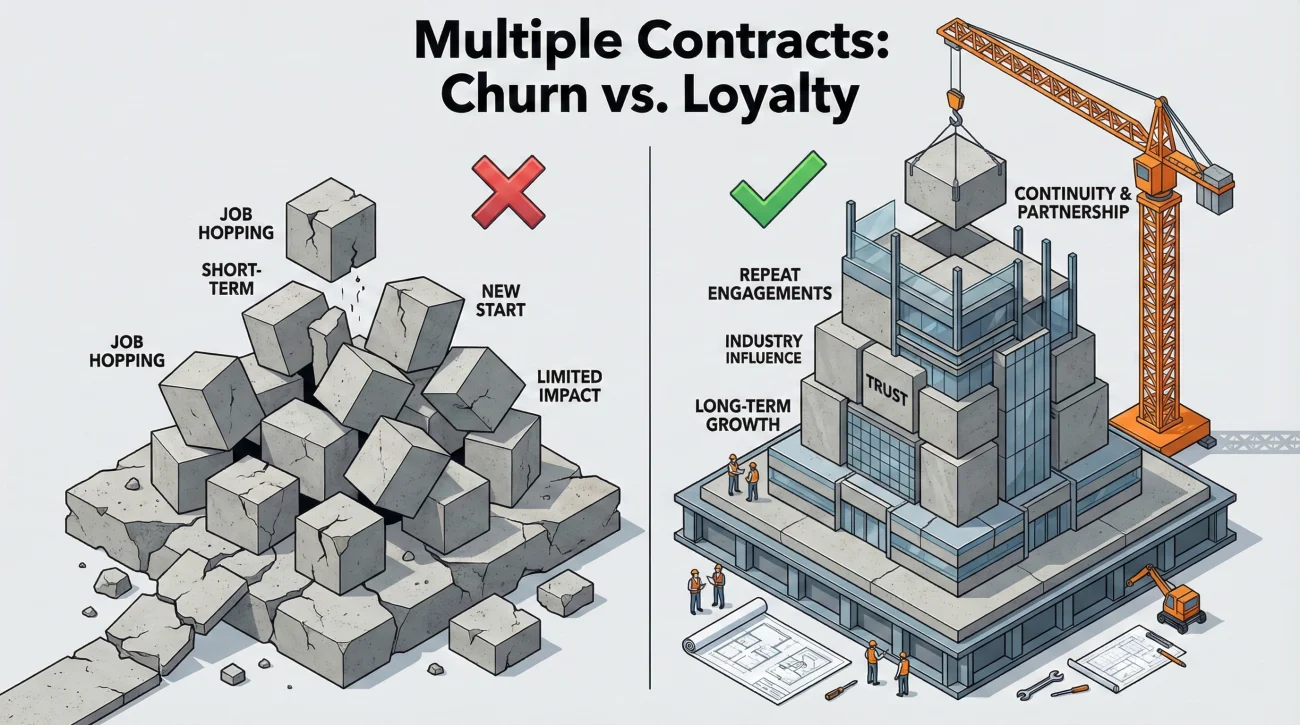
Multiple Contracts at the Same Company: How to List Repeat Engagements Without Looking Like a Job Hopper

Multiple Contracts Same Company Resume

If your resume shows repeated short stints, you need a format that signals continuity without hiding the contract nature. Pick one of three patterns based on who paid you (agency vs client), how similar the work was, and whether there were gaps between engagements. Use stable date logic, a clean labeling line, and proof-heavy bullets

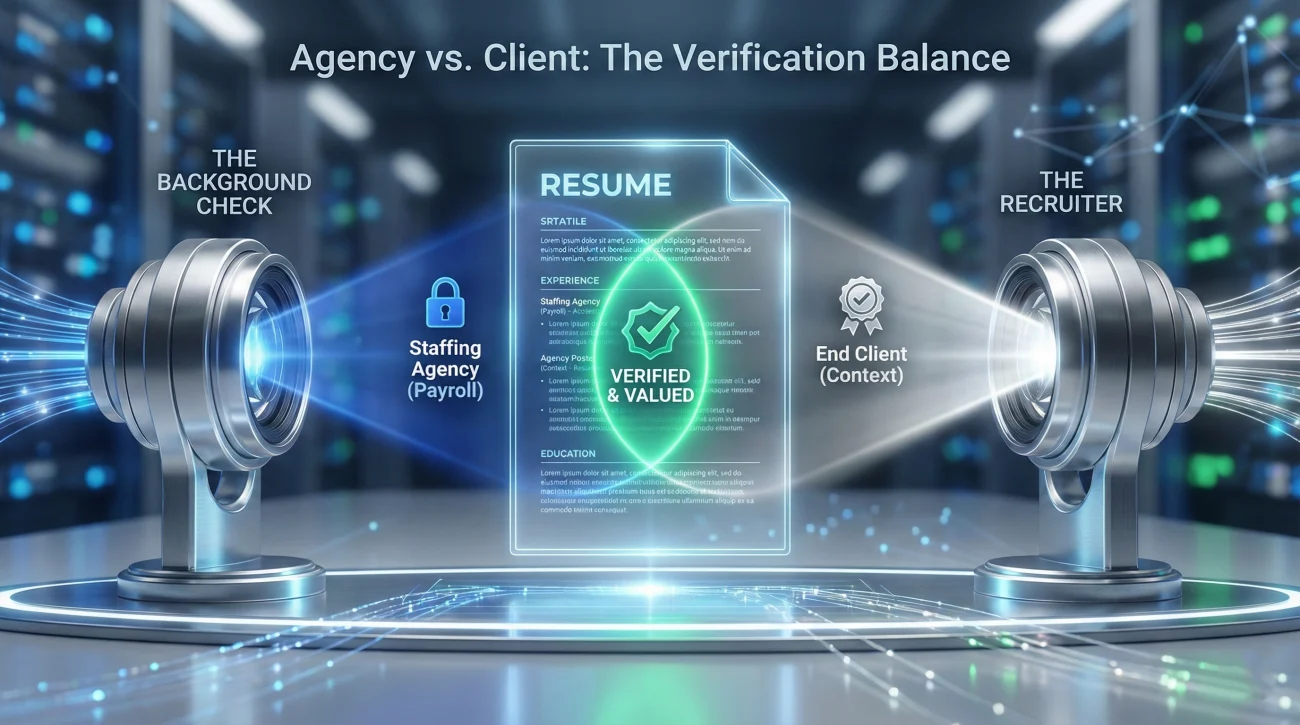
Staffing Agency vs End Client: What to Put on Your Resume Without Failing Verification

Staffing Agency On Resume

If you were paid by the agency, treat it as the employer of record. Then add the client as context, not as your legal employer. The safest format is: Agency (Employer of Record) + Client (Contract Assignment). It reads clean and matches verification. If the client name is sensitive, you can still show credibility with

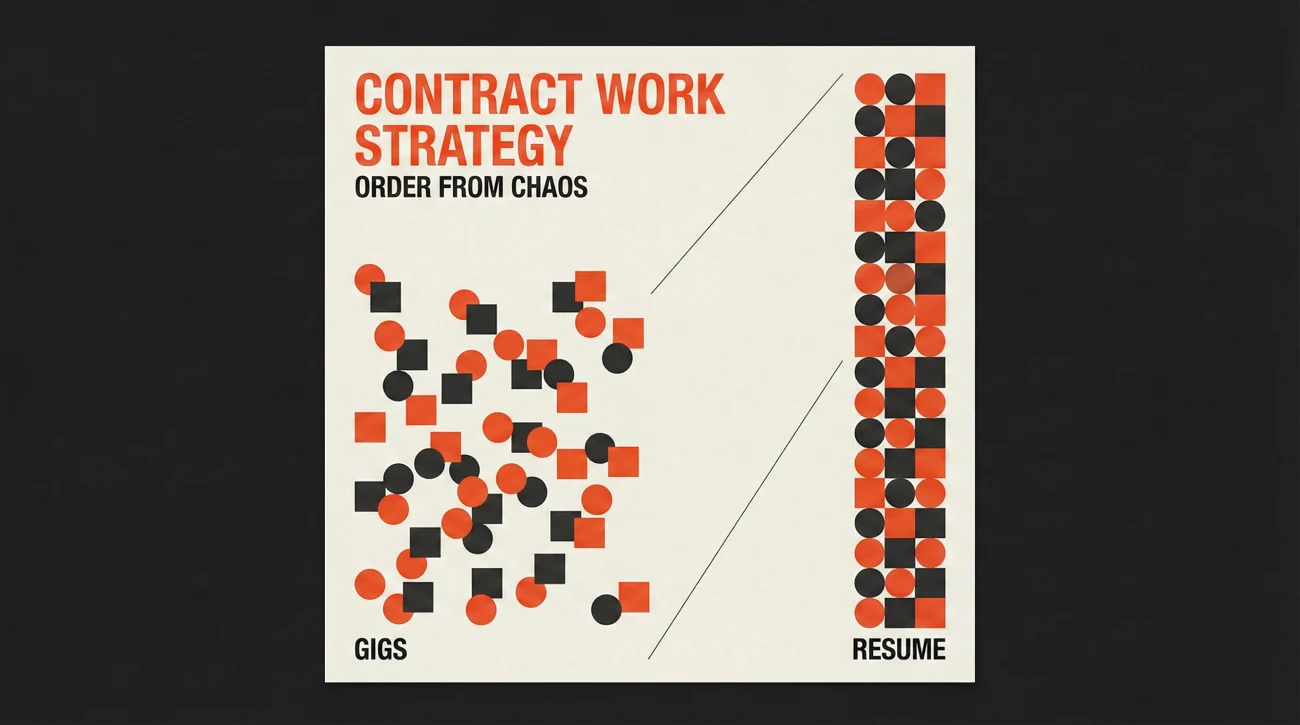
Contract and Gig Context: Make a Contract-Heavy History Look Stable

Contract Work On Resume

Contract work creates a verification puzzle: the company you worked at daily may not be who HR calls to confirm employment. Display both agency and end client when possible. This prevents background check confusion and shows real scope. Grouped contract entries beat scattered short stints. Continuity framing changes how recruiters read your history. The Background