Contract and Gig Context: Make a Contract-Heavy History Look Stable
Contract Work On Resume

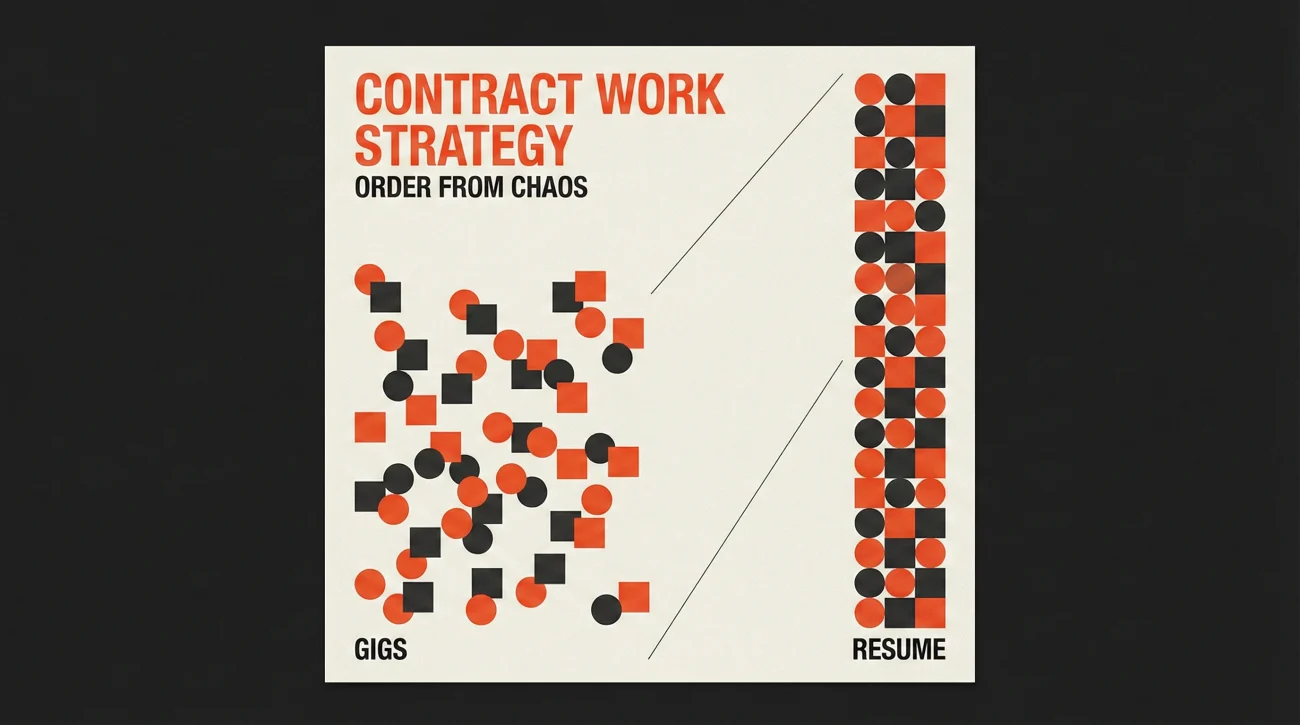
Contract work creates a verification puzzle: the company you worked at daily may not be who HR calls to confirm employment. Display both agency and end client when possible. This prevents background check confusion and shows real scope. Grouped contract entries beat scattered short stints. Continuity framing changes how recruiters read your history. The Background … Read more

Ageism Proofing: Remove Age Signals Without Erasing Your Credibility

Older Worker Resume

Recruiters estimate your age within 6 seconds. The signals are not just graduation year – they are email format, tools listed, jargon used, and resume length. The goal is not hiding experience. It is presenting experience in modern packaging that signals current relevance. Remove what dates you. Keep what proves you can do the job … Read more

ATS Reality: What the Parser Breaks and How to Stop It

ATS Resume Format

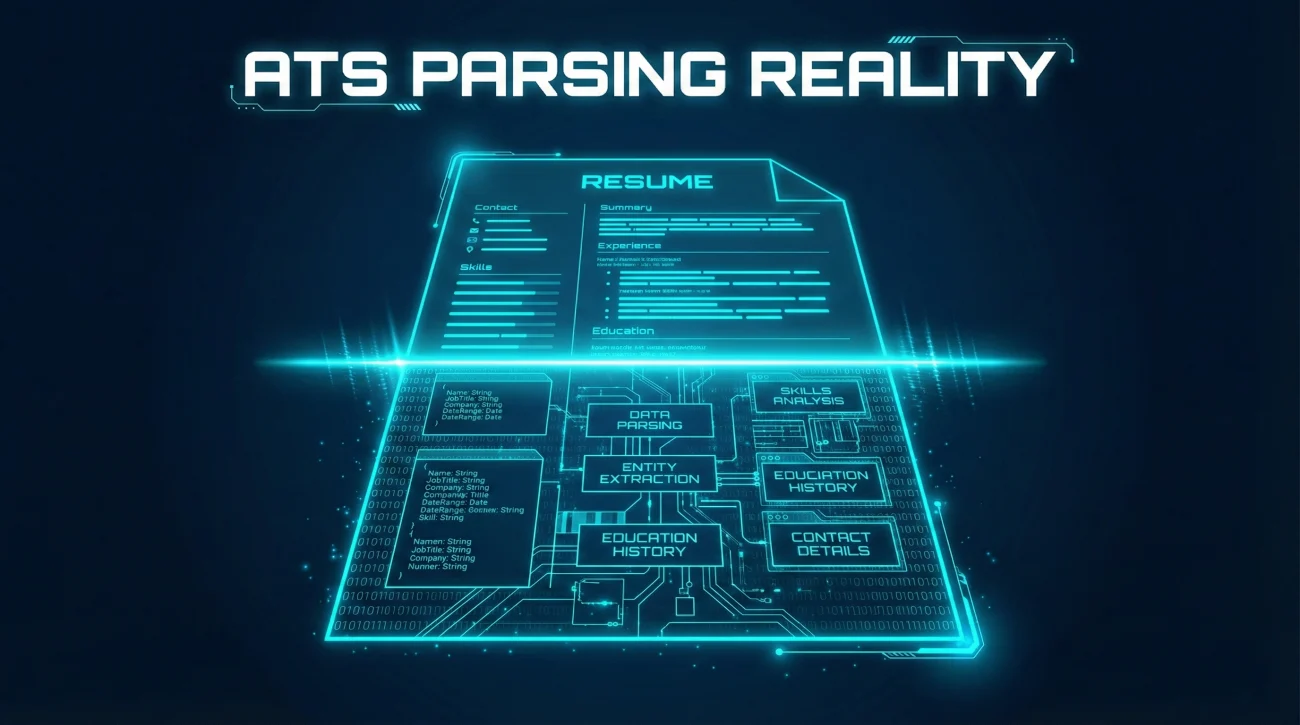
ATS does not reject resumes. It extracts text into fields. When extraction fails, recruiters see scrambled data and move on. The most common parsing failures come from columns, tables, headers, footers, text boxes, and creative section names. A clean single-column layout with standard headings passes almost every ATS. Fancy designs often break. Test your resume … Read more

Remote and Async Proof: Show You Can Work Remotely Without Saying It Loudly

Remote Work On Resume

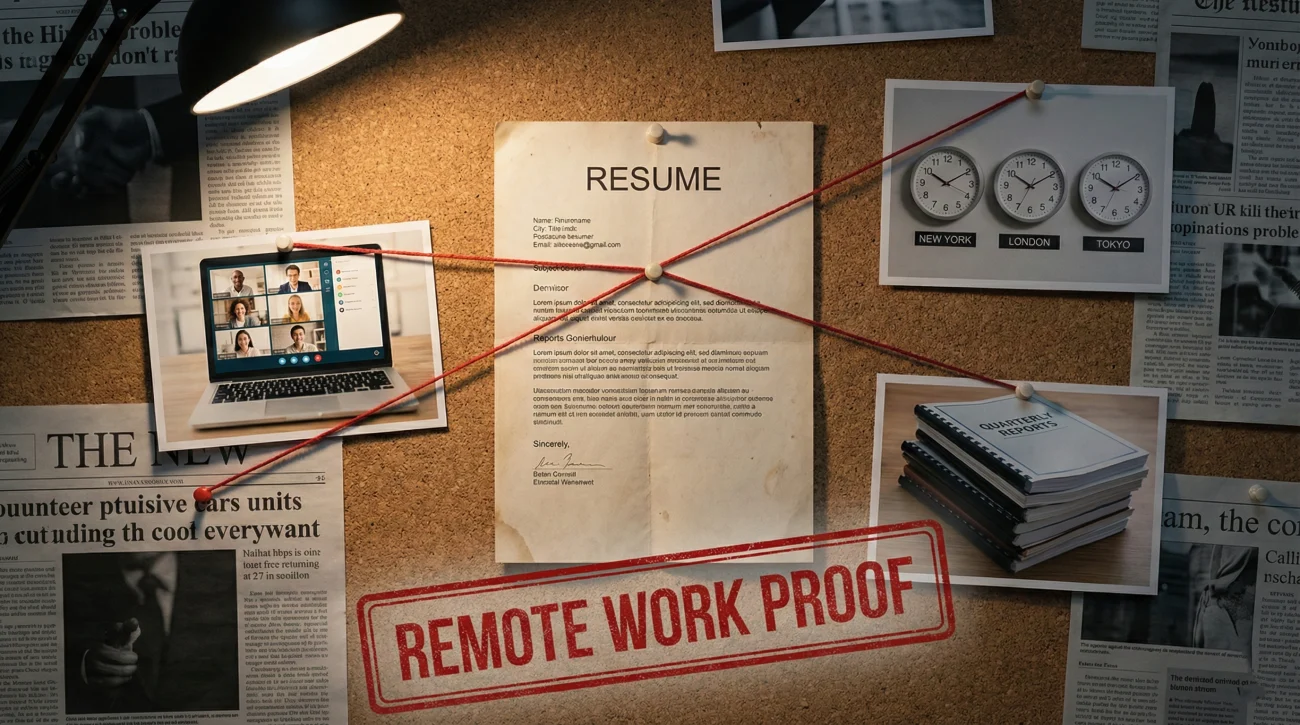
Recruiters test four things for remote roles: self-management, communication discipline, documentation habits, and delivery reliability Remote proof means showing work patterns through accomplishments, not listing collaboration tools Where you place remote signals depends on your situation: header, summary, bullets, or skills section each serve different purposes No remote experience? You likely have transferable proof from … Read more