Phone Screen Gap Question: A 10-Second Health Script That Moves On

How To Explain Employment Gap In A Phone Interview For Health Reasons

Phone screen answers should be 10 seconds maximum: acknowledge, reassure, pivot. The recruiter is checking a box, not conducting therapy. Give them what they need to move forward. Pivot immediately to the role or your qualifications. Do not wait for follow-up questions. Ten Seconds That Decide Everything A data analyst named Chantell had a nine-month … Read more

Employment Gap on Job Applications: 12 Short Answers That Do Not Overshare

What To Write For Employment Gap On Application

Application form answers should be 1-2 sentences maximum. The form captures basic information, not your full story. Keep answers short, neutral, and forward-looking. Do not over-explain or use emotional language. Your application, resume, and LinkedIn must tell the same story with matching dates. The Text Box Trap A project coordinator named Andre faced an online … Read more

Returning to Work After a Mental Health Break: Build a Recent Activity Section Recruiters Trust

Returning To Work After A Mental Health Break Resume

A Recent Activity section bridges the gap between your break and now, showing you are ready to work. Credible activities include courses, volunteer work, freelance projects, and professional development – not hobbies or self-care. Write bullets honestly. Do not pretend volunteer work was a job or inflate minor activities into major accomplishments. Proof You Are … Read more

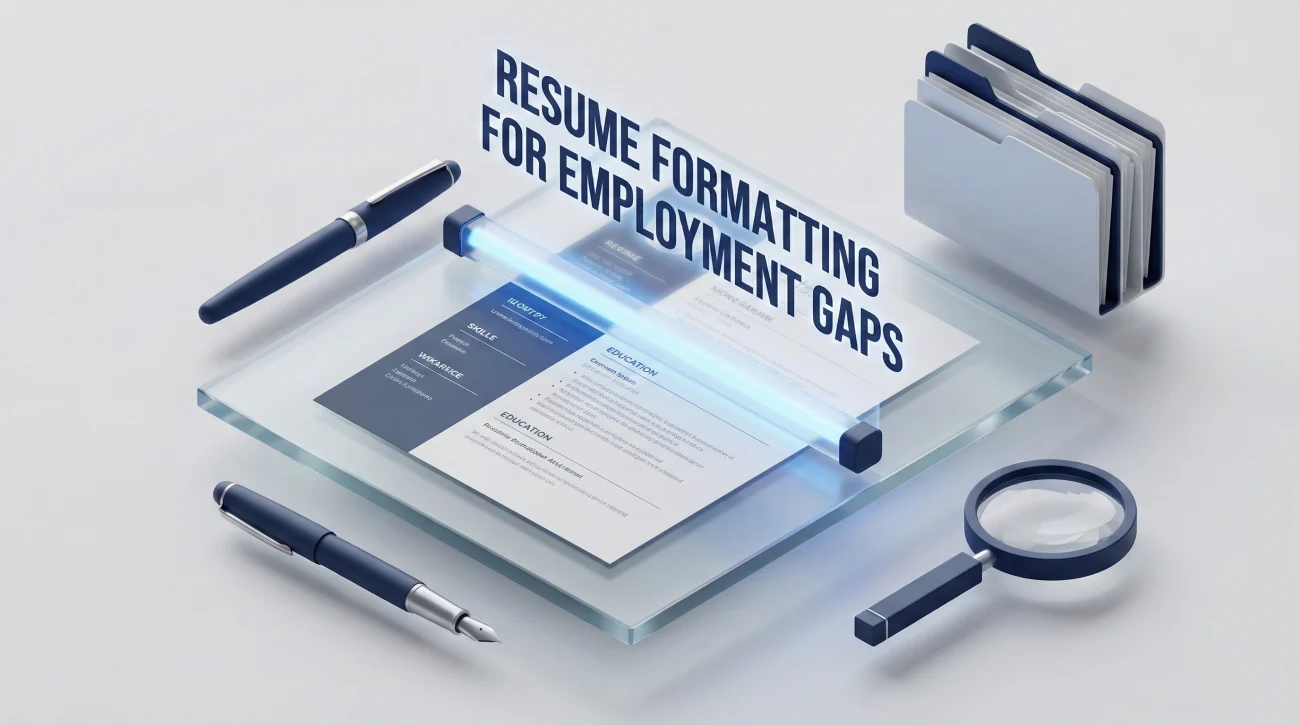
Resume Formatting for Employment Gaps: 3 ATS-Safe Layouts

Resume Formatting Options For Employment Gaps

Three ATS-safe layouts handle gaps differently: chronological with gap line, selected experience, or projects-focused. Functional resumes that hide dates entirely often backfire. Recruiters notice and assume the worst. ATS systems break on tables, columns, headers/footers, and creative date formatting. Keep it simple. Format Shapes Perception A product manager named Jennifer had an 18-month gap after … Read more

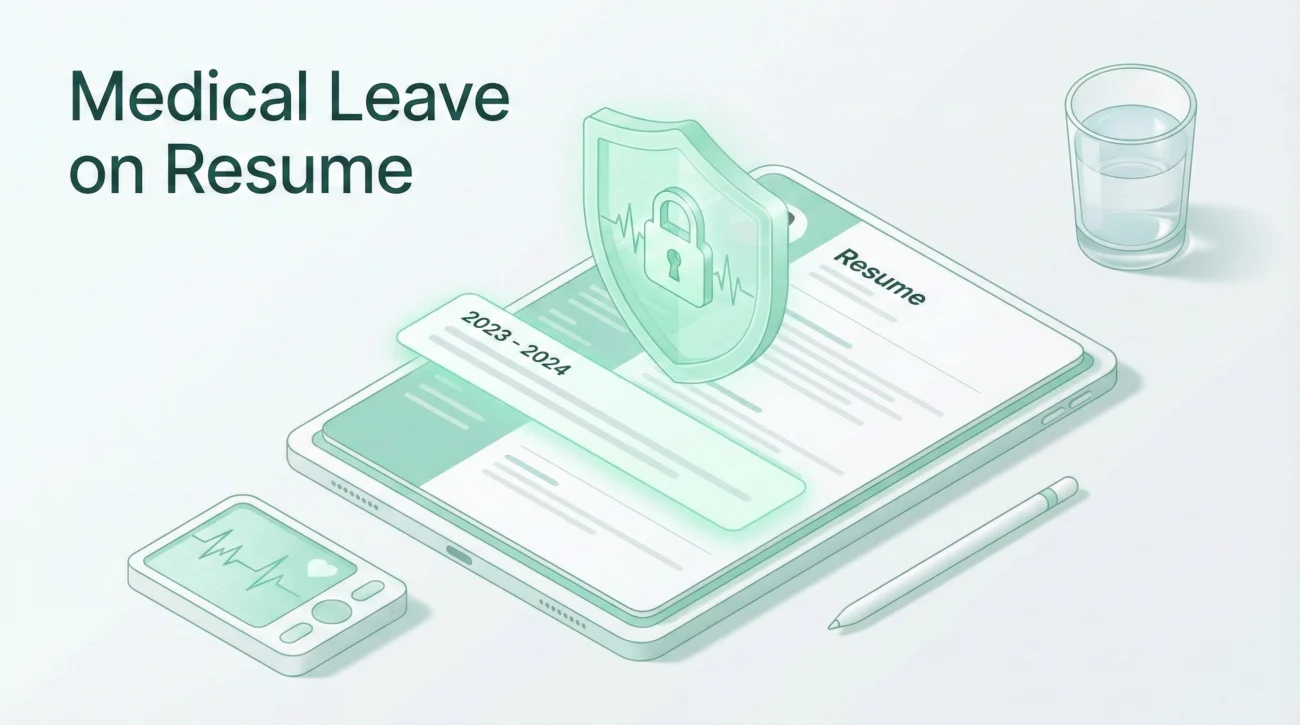
Medical Leave on a Resume: List It or Leave a Clean Gap

Medical Leave Of Absence On Resume

Short medical leaves (under 6 months) often need no label. The gap between dates tells enough. Longer leaves benefit from a brief entry that accounts for time without inviting medical questions. Never use specific diagnoses or treatment details. “Medical leave” or “health-related absence” is sufficient. The Labeling Decision A financial analyst named Derek took seven … Read more

Mental Health Resume Gap Wording: 10 One-Line Options That Sound Stable

The Mental Health Resume Gap

Mental health gaps need one neutral line maximum. “Health-related leave” or “personal health matter” is enough. Never use clinical terms on your resume. Save specifics for interview if asked directly. The line’s job is to close the question, not open a conversation. One Line That Closes the Door A UX designer named Mira took eight … Read more

Cover Letters for Hard Cases: When One Paragraph Helps and When It Hurts

Cover Letter Sticky Situations

Cover letters cannot fix major concerns – they can only prevent minor concerns from becoming rejection reasons. Most sticky situations are better addressed in interviews than in writing. Written explanations become permanent records. When you do explain, one tight paragraph maximum. Anything longer sounds defensive. The Explanation Trap A operations manager named Giulia had a … Read more

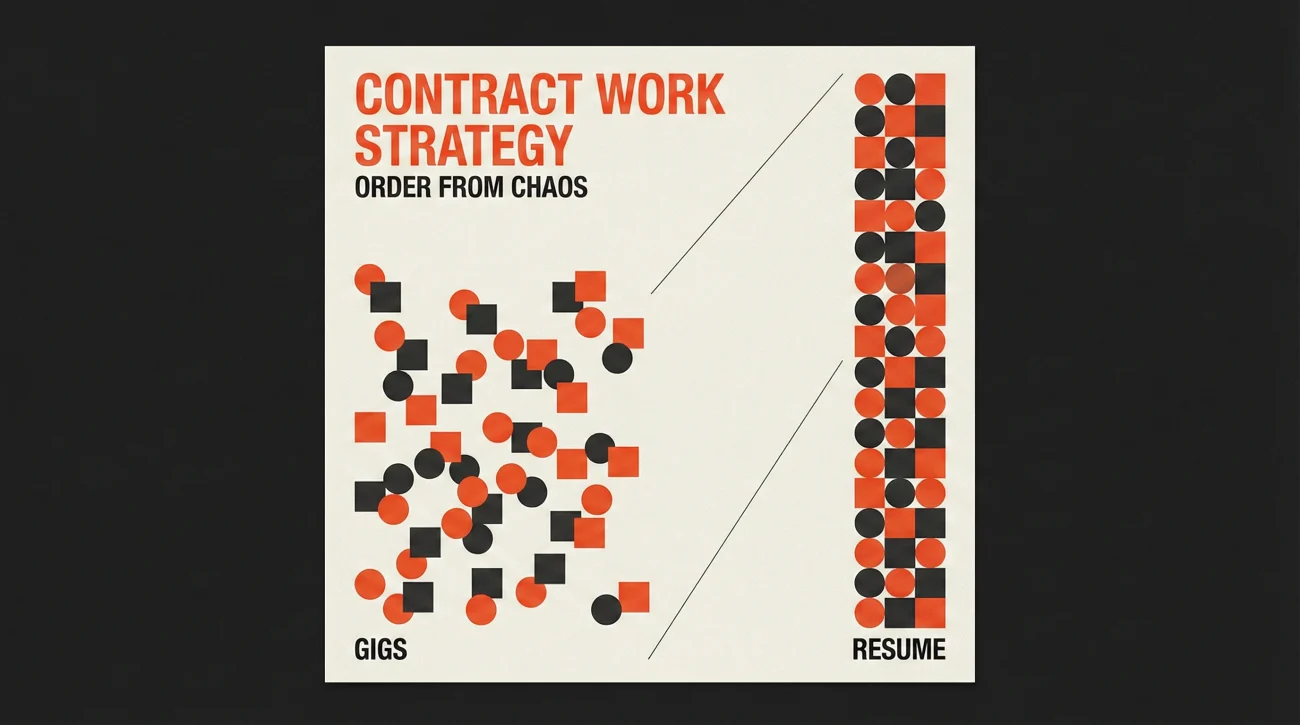
Contract and Gig Context: Make a Contract-Heavy History Look Stable

Contract Work On Resume

Contract work creates a verification puzzle: the company you worked at daily may not be who HR calls to confirm employment. Display both agency and end client when possible. This prevents background check confusion and shows real scope. Grouped contract entries beat scattered short stints. Continuity framing changes how recruiters read your history. The Background … Read more

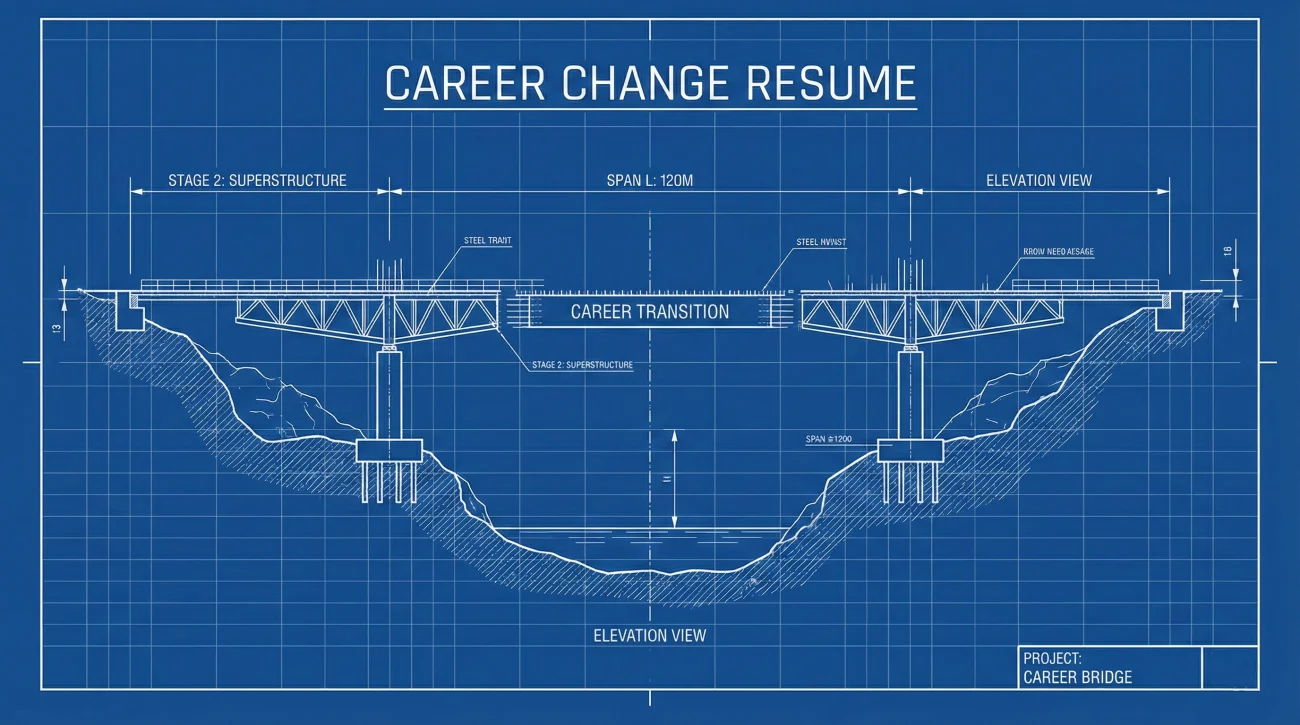
Career Change Resume: Make an Industry Switch Look Logical

Career Change Resume

Recruiters will not translate your experience for you. Your resume must explicitly connect old skills to new role requirements. Career change risk centers on three fears: no proof you can do the work, no context for why you are switching, and generic claims without evidence. The strongest career change resumes add proof before switching: projects, … Read more

Toxic Workplace Exit: Explain Why You Left Without Sounding Negative

Toxic Workplace Interview Answer

Toxic workplace stories trigger three recruiter fears: drama magnet, blame tendency, conflict problems. Your answer must counter all three. The goal is not lying. It is translating toxic reality into professional language that stays factual without sounding bitter. Never use the word “toxic.” Describe conditions and mismatches, not character judgments. The Negativity Trap You left … Read more