- If you sound defensive, the interviewer hears performance risk, even when it was a layoff.
- A clean layoff answer is 4 beats: Fact, Scope, Signal, Bridge. Say it in 40 seconds, then stop.
- Use one reassurance signal only, then pivot to what you deliver in this role.
The Real Problem With This Question: They Are Testing Suspicion, Not Curiosity
I have sat on interview panels where a candidate said, “I was laid off,” and the room went quiet for half a second. Not because layoffs are rare. Because everyone is silently asking the same thing: Was it truly structural, or was it performance dressed up as “restructuring”?
If you are searching for why were you laid off interview answer scripts, you probably already know the obvious advice: Be honest, stay positive, keep it brief. The part most articles skip is the hidden grading rubric. Your interviewer is listening for two risks:
- Performance risk: “Were you selected because you were struggling?”
- Stability risk: “Are you still angry, still in chaos, or still unavailable?”
Key Point: Your goal is not to “prove” the layoff was unfair. Your goal is to remove suspicion fast, then redirect the interview back to capability.
Let me show you the 40 second structure I coach candidates to use, plus variations for the messy real world cases nobody writes about.
What Interviewers Mean When They Ask: “Why Were You Laid Off?”
Are they asking because they think I did something wrong?
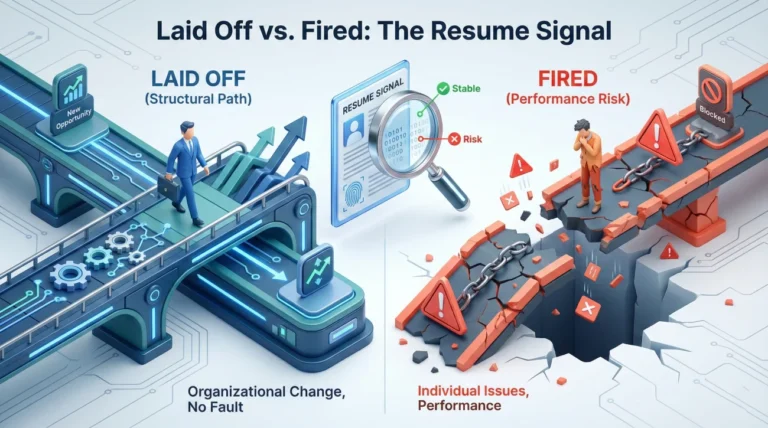
Sometimes. More often, they are trying to sort your exit into one of two buckets: “Company event” or “Individual event.” If your answer lands in the second bucket, you will get extra questions, tighter reference checks, and more “concern pauses” in the room.
So what do they want to hear?
They want a short statement that makes the layoff feel like a closed chapter, with no hidden drama, no blame spiral, and no open-ended availability issues. If you can do that, most interviewers move on quickly.
| What they worry about | What you should signal | What to avoid |
|---|---|---|
| “Was it performance?” | Structural reason plus one performance anchor | Over-explaining, defending, sounding hurt |
| “Are you still unstable?” | Calm tone, closure language, forward focus | Rants about leadership, naming internal conflicts |
| “Will this happen again?” | Fit and target clarity for the next role | Vague job search, “anything works” energy |
This is why a good laid off interview answer is more about structure than wording tricks.
The 40 Second Structure That Ends The Topic Instead Of Expanding It

When I help candidates rehearse, I give them a simple four-beat framework. You can memorize it without sounding robotic:
[Fact] + [Scope] + [Signal] + [Bridge]
- Fact: Name it plainly. Layoff, reduction in force, role eliminated.
- Scope: Make it structural with one detail. Team, function, company-wide.
- Signal: Add one reassurance marker. Performance reviews, retained through earlier rounds, metrics, or manager reference.
- Bridge: Pivot to the role you want and why you fit it.
⚠️ Warning: Most candidates fail in the Signal beat. They either skip it, or they overdo it with three proof points and start sounding defensive.
Here is the base script. It is designed to be spoken in about 35 to 45 seconds, then you stop.
“I was laid off as part of a reduction in force when the company consolidated two teams and eliminated several roles in our function. My performance was strong, and I can share references from my manager if helpful. Since then, I have been focusing my search on roles like this where I can own [core scope] and deliver [relevant outcome].”
That is it. No apology. No anger. No memoir.
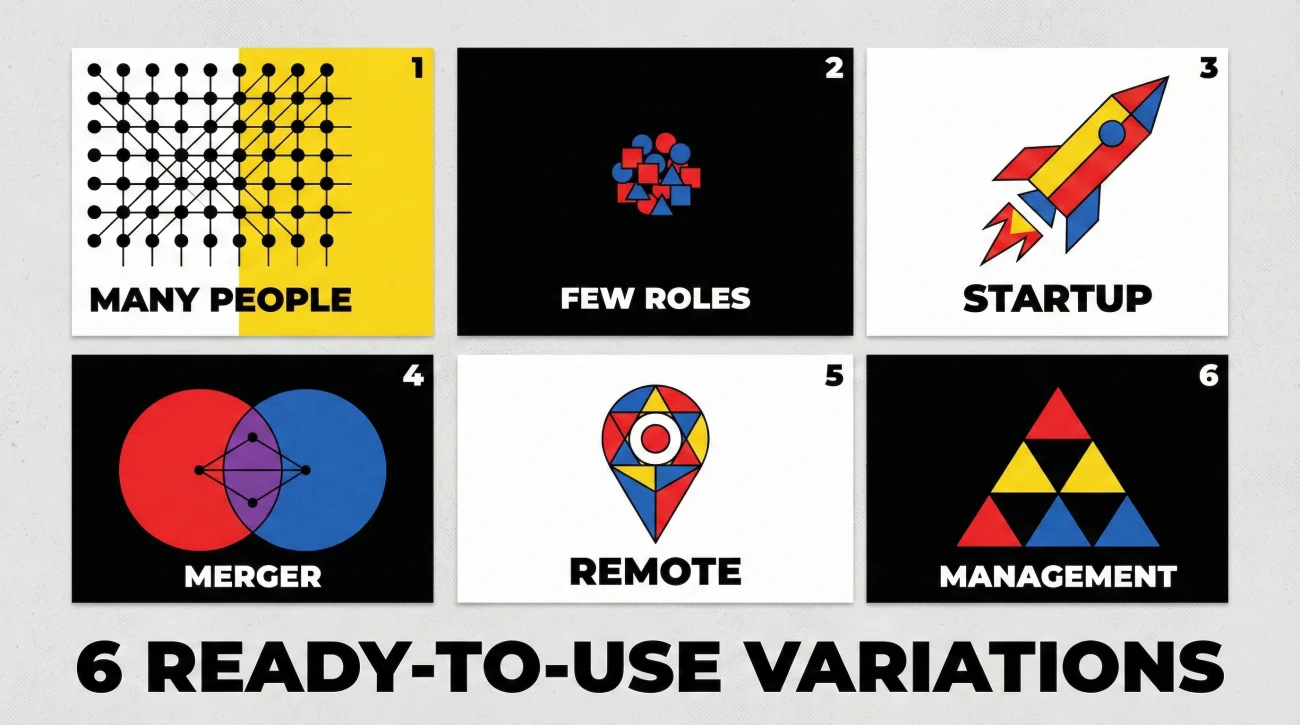
Six Variations You Can Use Without Sounding Scripted
Below are six ready-to-speak variations. Read them out loud and pick the one that matches the truth of your situation. If you want a cleaner phrase, swap the labels, but keep the structure.
Company-wide RIF, lots of people impacted
This one works when layoffs were broad and public, and you want to keep it short.
“I was laid off during a company-wide reduction in force that impacted multiple departments. My performance was solid, and the decision was based on headcount targets, not individual results. I am now focused on roles like this where I can apply my experience in [skill area] to drive [outcome].”
“Position eliminated” and only a few roles cut
Use this when “RIF” would sound exaggerated because the cut list was small.
“My position was eliminated when the team restructured and combined responsibilities into fewer roles. I had strong feedback in the role, and my manager is comfortable confirming performance if needed. I am targeting positions where the scope is stable and aligned with what I do best: [scope].”
Startup runway or funding change
Keep it neutral. One line about runway is enough. Do not discuss investors or internal conflict.
“I was laid off when the startup adjusted runway plans and reduced the team size. It was a business decision tied to budget and timeline, not performance. Since then, I have been prioritizing roles where I can bring [strength] and build [result] in a more durable setup.”
Merger or acquisition, duplicated roles
This version makes the layoff feel logical, not personal.
“After the acquisition, two teams were combined and several overlapping roles were removed, including mine. My results in the role were strong, and I can share references if helpful. I am excited about this position because it lets me stay focused on [core work] and deliver [impact].”
Remote team cut, location strategy changed
Use this when the company changed policy and reduced remote roles.
“I was laid off when the company shifted to an in-office model and reduced remote roles. My performance was not the issue, it was a location strategy change. I am focusing on roles like this where the expectations and work model are clear from the start.”
Manager laid off, team dissolved
This is a clean explanation when the team structure changed and the role disappeared with it.
“My role ended when leadership reduced the management layer and dissolved our team. My outcomes were strong, and I am happy to provide references that speak to that. What I am looking for now is a role where I can lead [area] and deliver [metric] with a stable mandate.”
If you want to include the plain phrase reduction in force interview answer in your version, do it in the Fact beat, then move on. Do not keep repeating it like a legal defense.
Follow-Up Firewall: Six Short Lines That Prevent The Conversation From Turning Into Gossip
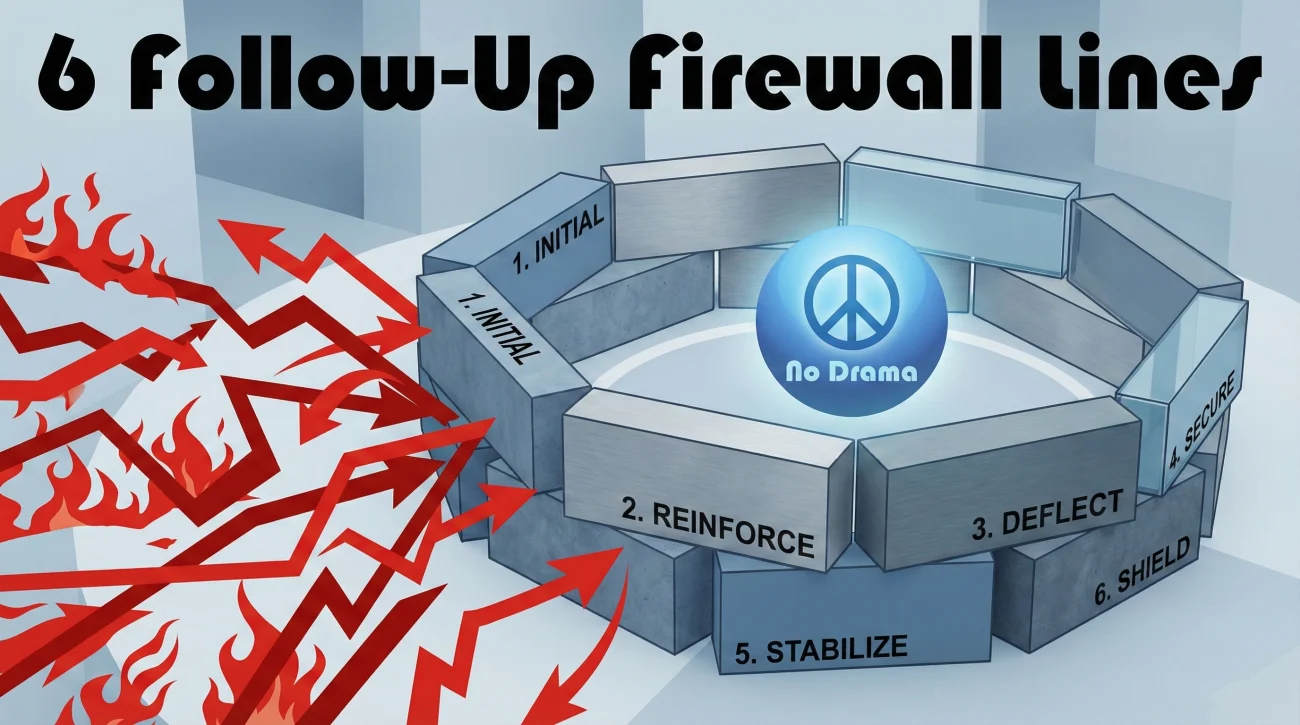
Sometimes the interviewer keeps digging. Not because they are cruel, but because they are trying to confirm “individual event” versus “company event.” Here are clean, non-defensive lines that keep you out of the drama zone.
- 🧩 “It was part of a broader restructure, so I do not have more detail beyond the scope of the change.”
- 🧊 “I want to stay respectful about internal decisions. What I can speak to is the work I delivered.”
- 📌 “My manager can confirm my performance. The exit itself was driven by headcount changes.”
- 🧭 “I took it as a business event, and I have been focused on targeting the right next role.”
- 🔍 “If it helps, I can share a quick example of results I delivered before the layoff.”
- ✅ “Happy to answer what I can. The key point is: The role was eliminated, not a performance termination.”
❌ Note: Avoid sentences that start with “They were incompetent,” “Leadership was toxic,” or “They did not appreciate me.” Even if true, it creates risk. Your interview is not the exit interview.
This is the difference between a confident answer and an answer that sounds like you are still processing the event.
Three Real Candidate Stories That Show Why The Structure Matters
I am going to give you three quick stories from people I have coached, because this question rarely fails on wording. It fails on emotion management and sequencing.

Case 1: Great performer, but sounded wounded
Elizabeth was a product marketing manager who was cut in a downsizing wave. Her initial answer was accurate, but her tone carried frustration. She kept adding details to “make it make sense,” and each detail sounded like unfinished conflict.
We switched her to the 4-beat structure and added one calm signal: “Strong review the quarter before.” The interviewer stopped digging. The rest of the interview stayed on performance and outcomes.
Case 2: Only two people got cut, so “RIF” sounded suspicious
Kevin worked in ops at a mid-size company. Two roles were removed. When he said “reduction in force,” interviewers kept asking, “Why those roles?” We changed his Scope line to: “Our function was consolidated, and the role was removed.” It sounded more truthful and less like a label hiding something.
Case 3: Startup layoff, candidate over-explained the market
Erin was laid off after a funding delay. She started talking about investors, runway math, and leadership decisions. It made her look like she was still in the chaos. We trimmed it to: “Runway plans changed, team size reduced.” Then we used the Bridge beat to show fit: what she wanted next, and what she could ship.
In all three cases, the winning move was the same: short structural context, one reassurance marker, then forward focus. That is how you make position eliminated interview answer language feel stable instead of defensive.
Common Mistakes That Make A Layoff Sound Like A Performance Problem
These are the patterns I see when candidates get this question and suddenly start talking like they are in court.
| Mistake | What it accidentally signals | Better move |
|---|---|---|
| Too many details about internal politics | Drama risk, conflict risk | Use one Scope detail, then pivot |
| Over-selling your innocence | Defensiveness, hidden issue | One reassurance signal only |
| Bad-mouthing leadership | Low discretion, emotional volatility | Neutral phrasing, closure language |
| Vague job search “open to anything” | No plan, instability | Specific target role and value |
| Turning it into a long story | Unresolved event, poor executive presence | 40 seconds, then stop |
If you want a simple self-check, record your answer on your phone. If it runs past one minute, it is almost always too long.
💡 Pro Tip: End with a bridge that sounds intentional. A calm “I am targeting roles like this because…” is the verbal equivalent of closure.
Final: A Layoff Answer Should Close Suspicion, Then Re-Open Your Value
The best version of why were you laid off interview answer is not the one that proves you were wronged. It is the one that removes doubt quickly, keeps you out of gossip, and returns the interview to impact.
Use the 4 beats: Fact, Scope, Signal, Bridge. Choose one reassurance marker. Speak it calmly in 40 seconds. Then stop talking and let them move on.
If you do that, the layoff becomes what it actually was: A business event. Not a character judgment.
❓ FAQ
🎯 Should I say “laid off” or “reduction in force”?
Either is fine if it is true. “Reduction in force” sounds more structural, but if only a small number of people were cut, “my role was eliminated during a restructure” often sounds more credible. Pick the label that matches reality and feels easy to say calmly.
🧠 What if I was the only person laid off?
Do not over-label it. Use “my position was eliminated” and give one structural Scope detail, like consolidation, budget shift, or priority change. Then add one reassurance signal and pivot to fit. If you try to force “company-wide RIF,” you may trigger follow-up questions.
✅ Do I need to mention performance reviews?
Only if you feel performance suspicion in the room, or if the layoff scope was small. Use one line only. The goal is reassurance, not bragging. Offer references once, then move forward.
🧊 What if I am still upset about the layoff?
That is normal. Do not process it in the interview. Keep your answer short, neutral, and practiced. If your voice tightens, shorten the Scope beat and lean on the Bridge beat. Calm delivery is a bigger signal than perfect wording.
📌 What if they ask, “Why were you selected?”
Stay structural. Use a firewall line like: “The decision was tied to headcount targets and role scope changes. My manager can confirm my performance.” Then pivot back to what you deliver. Do not speculate about internal ranking or politics.
⚠️ Disclaimer: ResumeSolving provides resume, cover letter, and job search communication guidance for informational purposes only. It is not legal, medical, financial, or professional counseling advice. Hiring decisions vary by company, role, location, and individual circumstances, so we do not guarantee interviews, offers, or outcomes. Always use your own judgment, verify requirements directly with the employer, and follow local laws and workplace policies. When a situation is sensitive, we prioritize privacy-safe, recruiter-appropriate wording, and you never need to share personal details you are not comfortable disclosing.