Career Change Resume: Make an Industry Switch Look Logical
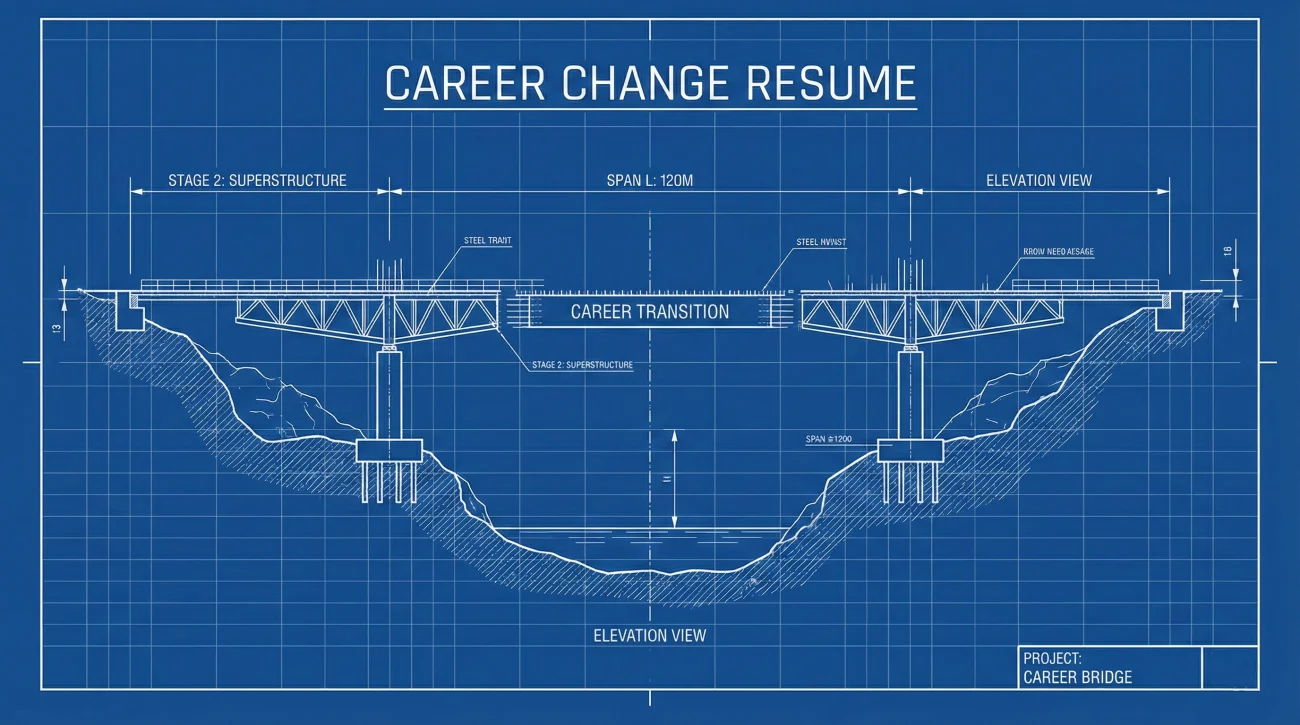
Career Change Resume

Recruiters will not translate your experience for you. Your resume must explicitly connect old skills to new role requirements. Career change risk centers on three fears: no proof you can do the work, no context for why you are switching, and generic claims without evidence. The strongest career change resumes add proof before switching: projects, … Read more

Overqualified on a Resume: Get Hired for a Lower Role Without Looking Risky

Overqualified On Resume

Overqualified triggers five fears: flight risk, comp mismatch, ego problems, boredom, and promotion pressure. Address at least two directly. The fix is not hiding experience. It is reframing scope and signaling intentional choice. Pay conversations require preparation. Anchor to the role’s range, not your history. The Conversation Hiring Managers Have About You Picture the hiring … Read more

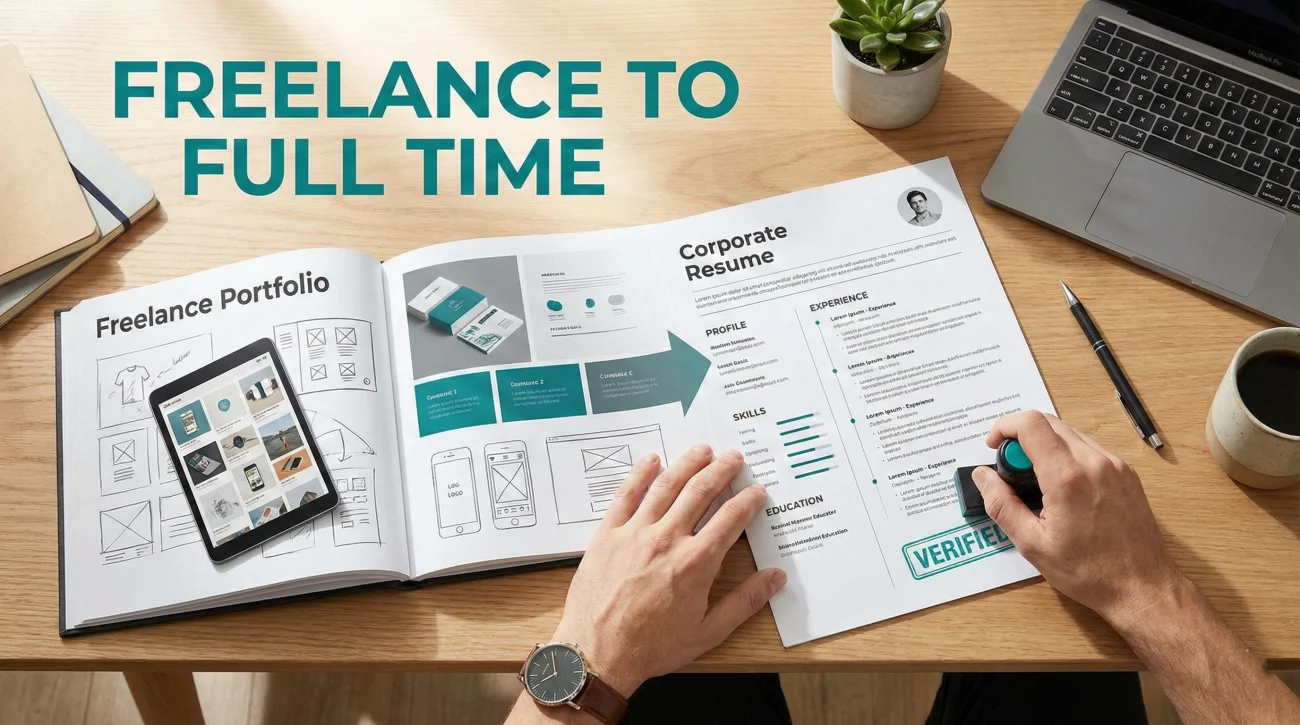
Freelance to Full Time: Make Independent Work Look Like a Stable Career

Freelance To Full Time Resume

Recruiters fear freelancers are unstable, inconsistent, and unable to work within teams. Your resume must counter all three signals. Structure matters more than content. How you organize freelance work determines whether it reads as a coherent career or chaotic gig-hopping. Continuity and collaboration are your two biggest proof points. Show long-term relationships and cross-functional work. … Read more

Founder to Employee: Make Startup Experience Read Like a Real Job

Founder To Employee Resume

Recruiters fear four things about founders: flight risk, ego problems, vague scope, and unverifiable claims. Address all four. Translate your founder title to match the target role. “CEO” often hurts more than it helps. Show collaboration, not solo heroics. Prove you can take direction and work within structure. Use 4 mini scripts: title explanation, company … Read more