Returning From a Sabbatical: Commitment Signals Recruiters Believe
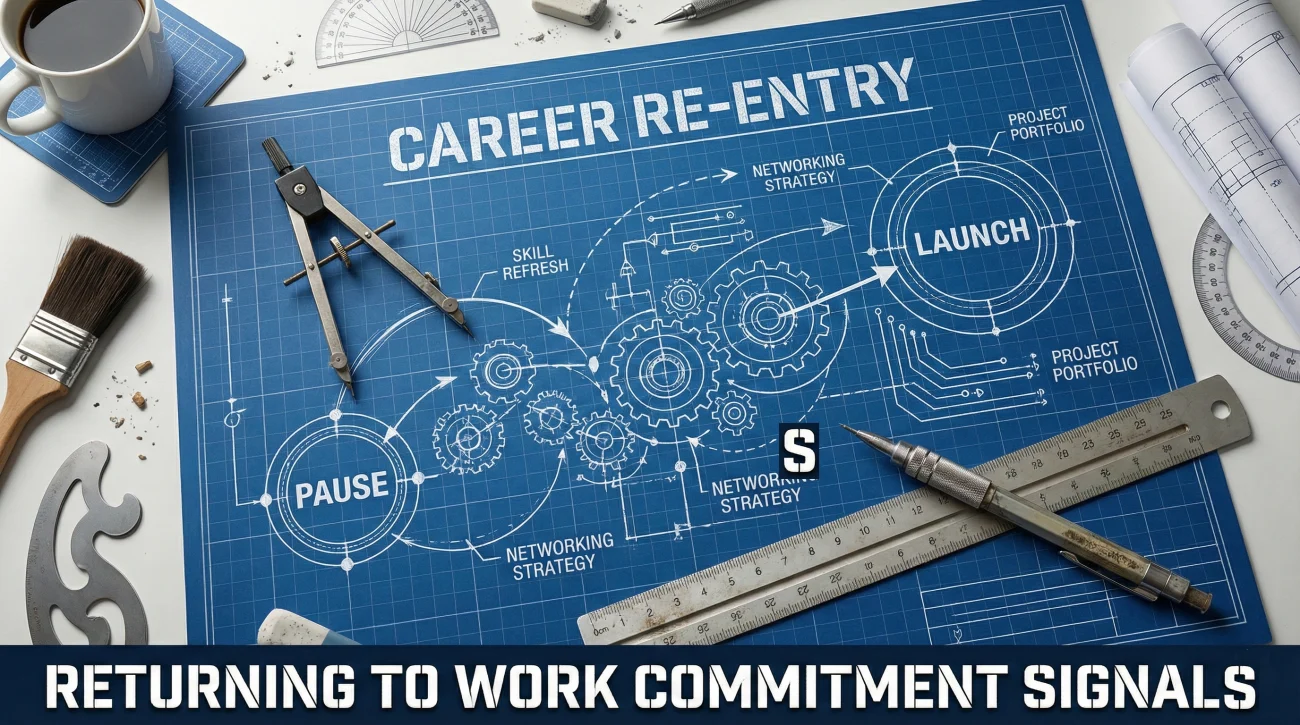
Returning To Work After Sabbatical Commitment Signals

Your sabbatical is not the problem. The uncertainty is. Recruiters look for proof that you are available, stable, and done with the “other chapter”. Use a simple proof plan. Pick 3 to 5 signals, then show them consistently on your resume, LinkedIn, and in your first interview answers. The real question behind “So, what have … Read more
Sabbatical vs Unemployment: The Resume Signals That Change How Recruiters Interpret Your Gap

Sabbatical Vs Unemployment On Resume

The label you choose is a signal about control, availability, and trust, not just a synonym for “time off.” If your break was not planned, you can still write it cleanly without calling it a sabbatical. Use a simple decision rule: Can you explain the start, the purpose, and the return plan without story bending? … Read more

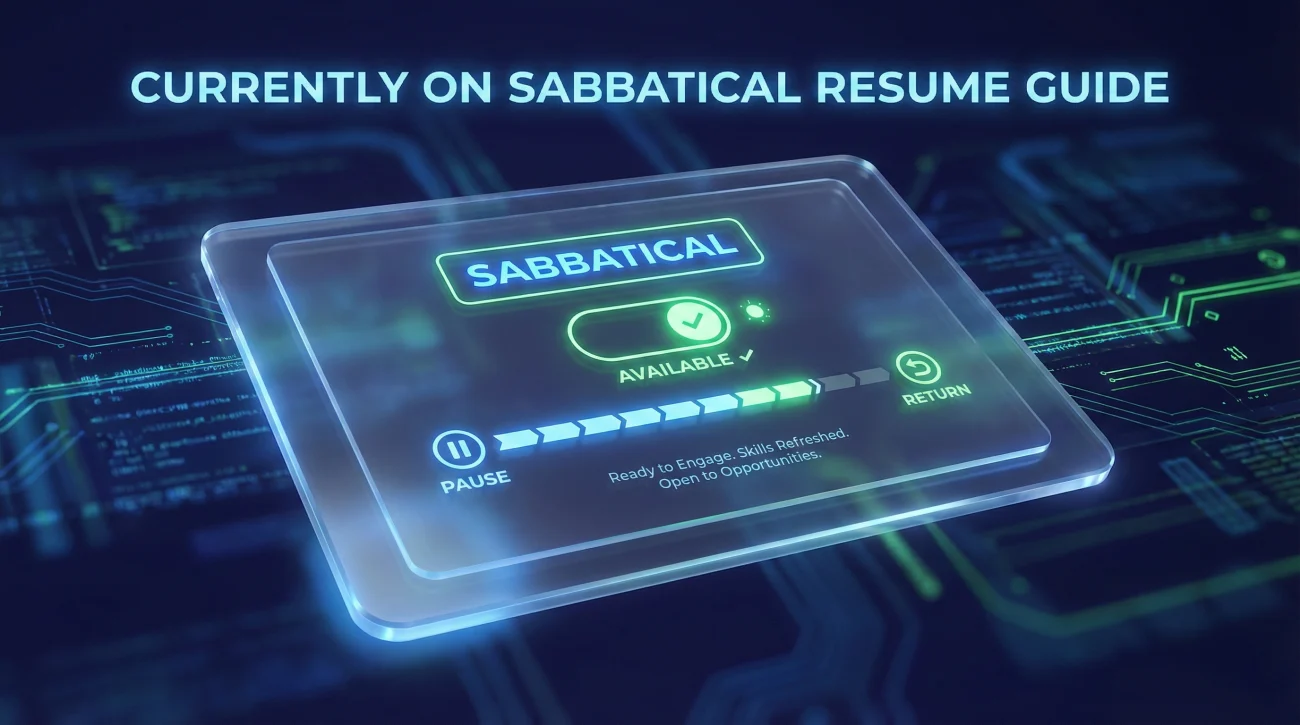
Currently on Sabbatical: How to Show It on a Resume Without Looking Unavailable

Currently On Sabbatical Resume

If your resume says “Present” for a sabbatical, recruiters may assume you are not available. Your job is to add a clear availability signal. You have five safe ways to list an ongoing sabbatical. Pick the one that matches how your timeline and work reality actually looks. Do not “invent” consulting. If you did projects, … Read more

Quit Without Another Job Because of Burnout: A Professional Interview Explanation

Quit Job Due To Burnout Interview Answer

You do not need to “confess burnout.” You need a stable decision story: Why you left, what changed, and why this role fits now. Use a 30-second core script, then switch to evidence: Boundaries, workload preferences, and what you did during the reset. Prepare for the real follow-ups: “What exactly caused it?”, “What if it … Read more

Burnout Career Break on a Resume: Say It Without Turning It Into a Health Disclosure

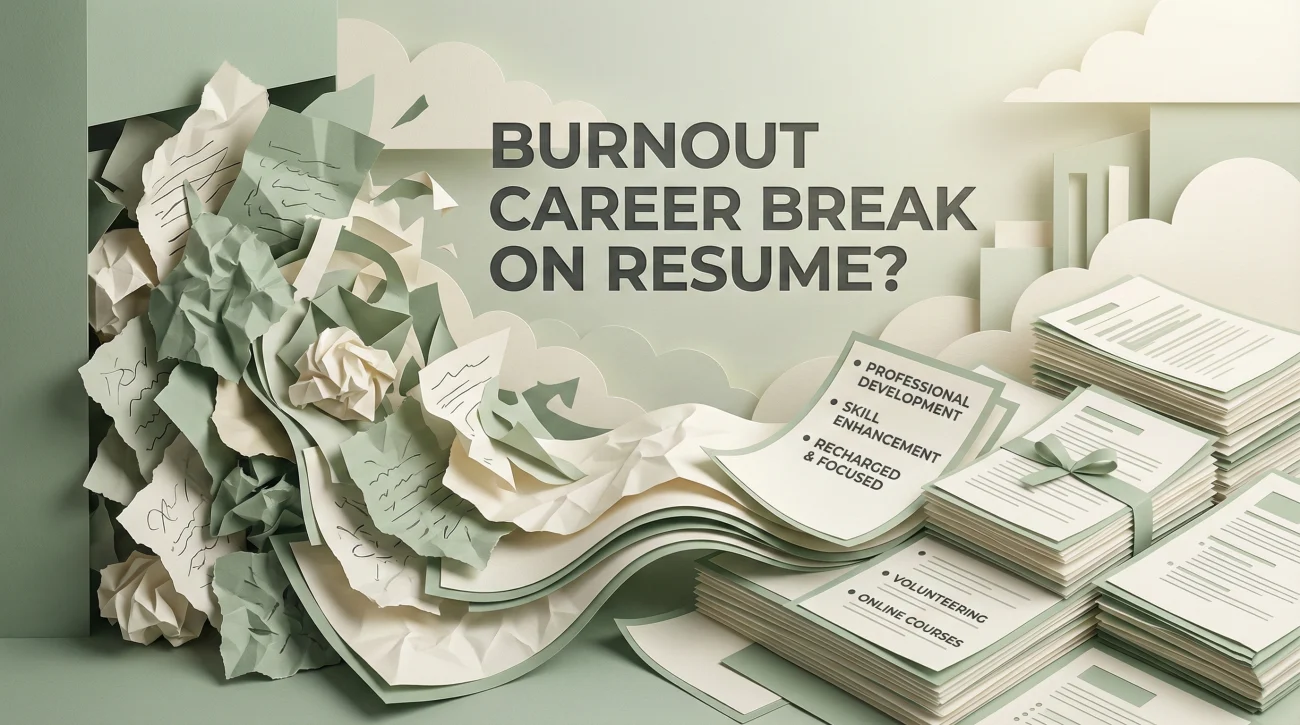
Burnout Career Break On Resume Wording

You can be honest about a break without turning your resume into a health disclosure. Use one calm label, add one “stability proof” detail, and keep the rest for the interview if needed. This article gives 6 safe framing categories, 10 copy-ready lines, and 5 hooks that reduce “Will it happen again?” worries. A Burnout … Read more

If They Worry You Will Leave Again: Answer the “Will You Take Another Sabbatical?” Interview Question

Will You Take Another Sabbatical Interview Question

This question is really about retention and resilience, not morality. The strongest answer has three parts: Acknowledge the concern, anchor a stability window, then back it with concrete evidence. You do not need to promise “never again”, but you do need to show the last sabbatical is closed and you are choosing a long, committed … Read more

How to Explain a Sabbatical in an Interview (Without Sounding Like You Quit on a Bad Day)

How To Explain Sabbatical In Interview

You do not need a dramatic story. You need a clean timeline, a neutral reason, and a clear “I’m back” signal. Prepare two versions: A 20-second answer for screens, and a 60-second answer for hiring managers. Most follow-ups are predictable. If you pre-build your pivots, the topic dies quietly. The Real Problem With Sabbaticals in … Read more

Sabbatical Resume Entry Examples: 9 Entries That Do Not Look Like a Fake Job

Sabbatical Resume Entry Examples

A strong sabbatical entry removes ambiguity: dates, a neutral label, and a clear signal that the break is finished. Do not inflate a sabbatical into a fake job. Use proof based bullets if you have outputs, otherwise keep it short. Below are 9 copy ready entries by scenario, 12 bullet starters, and truth check rules … Read more

Took a Year Off to Travel: Resume Wording That Sounds Stable, Not Flighty

How To Explain A Travel Gap On A Resume

A travel break rarely hurts because you traveled. It hurts when your wording sounds open-ended or unsettled. Recruiters look for two safety signals: A clear closure and a calm re-entry plan. Use one framing angle, keep it factual, and borrow the example lines to avoid “flight risk” vibes. Why “A Year Off to Travel” Can … Read more

Personal Sabbatical on a Resume: Wording That Sounds Intentional and Closed

Personal Sabbatical On Resume Wording

A personal sabbatical line works when it reads as planned, time-bound, and finished. Your label choice matters more than your explanation. Pick the lowest-risk label that still feels true. Use one sentence that signals closure and commitment. Save the story for the interview. What recruiters actually do when they see “personal sabbatical” I want to … Read more