- Overqualified triggers five fears: flight risk, comp mismatch, ego problems, boredom, and promotion pressure. Address at least two directly.
- The fix is not hiding experience. It is reframing scope and signaling intentional choice.
- Pay conversations require preparation. Anchor to the role’s range, not your history.
The Conversation Hiring Managers Have About You
Picture the hiring meeting. Your resume is on the screen. The recruiter says:
“This candidate has fifteen years of experience and managed teams of twenty. We’re hiring for a senior individual contributor role.”
The hiring manager responds:
“So they’ll want more money than we budgeted. They’ll get bored in six months. They’ll want my job. Why are they even applying? Something must be wrong.”
That conversation happens constantly in hiring meetings. A director of product named Sandra applied for a senior PM role after burning out on management. Her resume screamed leadership: VP title, org-wide initiatives, executive presentations. She was rejected from twelve applications before anyone would even interview her.
The problem was not her qualifications. The problem was that her resume told a story of ambition and expanding scope that directly contradicted what she actually wanted now. When we rewrote it to emphasize craft focus and individual contributor work, the same companies that rejected her started scheduling calls.
Understanding overqualified on resume dynamics means understanding that you are not fighting your experience. You are fighting the assumptions your experience triggers. Those assumptions are predictable, which means they are addressable. The hiring manager who worried about Sandra was not wrong to be cautious. But he was missing context that she had legitimate reasons for wanting a smaller scope. Her job was to provide that context clearly.
The Five Fears Your Resume Triggers

Recruiters screen overqualified candidates against five specific concerns. Your materials must counter at least two of these directly to get past initial screening.
Fear 1: Flight Risk. They assume you will leave the moment something bigger comes along. Every senior title, every leadership bullet, every strategic initiative reinforces this fear. They imagine training you for three months, then watching you accept a director role elsewhere. The counter is explicit commitment language tied to specific reasons you want this scope. Vague statements about “wanting stability” do not work. Specific statements about what you enjoy in IC work do.
Fear 2: Compensation Mismatch. They assume your salary expectations exceed their budget. Even if you are willing to take less, they worry you will resent the pay cut and leave when finances tighten. They have seen it happen: someone accepts a lower salary enthusiastically, then grows bitter within months. The counter is early clarity about expectations without anchoring too low or revealing desperation. Frame flexibility as a choice, not a concession.
Fear 3: Ego and Management Difficulty. They assume someone who managed twenty people will struggle taking direction from someone who manages five. They picture you challenging decisions, undermining their authority, or being visibly frustrated with constraints. They have worked with difficult former-managers before. The counter is demonstrating collaborative history and genuine interest in craft over status. Specific examples of times you thrived as a contributor matter more than assertions.
Fear 4: Boredom and Disengagement. They assume the work will be too easy and you will mentally check out. An unchallenged employee is worse than an underqualified one who is actively learning. The checked-out senior person creates team resentment and drags down morale. The counter is showing genuine enthusiasm for the specific problems this role solves, not generic interest in “staying busy” or “contributing.”
Fear 5: Promotion Pressure. They assume you will immediately push for advancement, creating awkward conversations and team dynamics. They do not want to hire someone already looking past the role, asking about growth paths in the first interview. The counter is framing this scope as your target, not your stepping stone, with clear reasons why.
Overqualified Risk Checklist
Before applying, audit your resume against these signals. Each one amplifies the overqualified concern:
- 🚩 Executive titles in recent roles (VP, Director, Head of)
- 🚩 Team size mentions that exceed target role’s scope
- 🚩 Budget ownership figures in the millions
- 🚩 Org-wide or company-wide initiative language
- 🚩 Strategy and vision framing instead of execution
- 🚩 Reporting relationships to C-suite
- 🚩 Too many years of experience for the level
- 🚩 Summary that positions you above the target role
- 🚩 No explanation for why you want this scope
- 🚩 Achievements that outscale the job description
You do not need to eliminate all of these risk signals. But if your resume has five or more, expect heavy screening resistance from most companies. Prioritize editing the signals that are easiest to adjust while staying honest about your actual history.
💡 Calibration Test: Read your summary and top three bullets aloud. Do they describe someone who wants this specific job, or someone settling for it? If settling, rewrite.
What to Edit and What to Keep
The goal is scope calibration, not deception. You want your resume to reflect the scope you actually want, not the maximum scope you have held.
Should I remove my VP title?
Not necessarily remove, but consider how you frame it. If the role was player-coach with significant IC work, emphasize the IC contributions. If it was pure management, you may need to acknowledge the title while focusing bullets on transferable execution work.
What about team size? I managed 25 people.
De-emphasize unless relevant. Instead of leading with “Managed team of 25,” lead with the outcomes you delivered. Team size can appear as context, not headline. “Delivered recommendation engine that increased retention 18%” matters more than “Led team of 25 engineers.”
Should I cut achievements that seem too big?
Reframe rather than cut. A $50M budget responsibility can become “managed multi-million dollar programs” if the target role involves smaller budgets. The achievement still demonstrates capability without screaming mismatch.
What if they ask why my resume seems “toned down”?
Be direct: “I tailored my resume to emphasize the work most relevant to this role. I’m happy to discuss my full background, but I wanted to focus on what matters for this position.” This shows intentionality, not deception.
Do I need to address being overqualified in my summary?
Yes. Your summary should signal scope acceptance and genuine interest. Something like “Senior engineer seeking IC role focused on complex technical problems” immediately tells recruiters you know what you want and it matches what they are offering.
Resume Edits That Work

Here are specific before-and-after examples showing how to calibrate scope without fabricating history:
Summary Transformation
“VP of Engineering with 15 years building and scaling engineering organizations. Led teams of 50+ across three product lines. Expert in organizational design, executive stakeholder management, and engineering strategy.”
“Senior software engineer with 15 years building scalable systems. Recent focus on distributed architecture and performance optimization. Seeking IC role where I can contribute directly to complex technical challenges.”
The after version uses the same experience level but frames it toward the target role. Nothing is hidden, but emphasis shifts completely.
Bullet Point Transformation
“Built engineering organization from 12 to 58 engineers across 6 teams, establishing hiring processes, career ladders, and performance systems.”
“Architected core platform infrastructure while growing from startup to scale, maintaining hands-on technical contribution throughout leadership tenure.”
The after version acknowledges growth but emphasizes continued technical work rather than pure management.
Title Handling
You cannot change your actual title, but you can control how prominently it appears and what surrounds it. Consider:
Player-coach role combining architecture ownership with team leadership. Remained primary technical contributor on core systems while managing growing team.
The dual title and immediate context signal that this was not a pure executive role, making the step to IC more natural.
Achievement Rescaling
Large numbers trigger overqualified filters. Rescale without lying:
- “$50M budget” → “multi-million dollar programs”
- “Team of 45” → “cross-functional teams” or simply omit if not relevant
- “Company-wide initiative” → “platform initiative” or specific product scope
- “Reported to CEO” → omit unless directly relevant
The principle is relevance filtering, not deception. Include what demonstrates capability for the target role. Exclude what only demonstrates capability for bigger roles.
Four Scripts for Overqualified Situations
Script 1: Why This Level (Interview Core)
“I spent several years in leadership and learned a lot about what kind of work energizes me. What I discovered is that I’m happiest when I’m solving hard technical problems directly, not managing people solving them. This role lets me do the work I actually enjoy most. I’m not looking to move back into management. I’m looking to go deep on craft.”
Script 2: Commitment Signal
“I understand why you might wonder if I’ll stick around. Here’s my honest answer: I tried the management track and it wasn’t right for me. I’m not here because I couldn’t find something bigger. I’m here because this scope is what I want. I’d rather excel at work I love than climb a ladder that leads somewhere I don’t want to go.”
Script 3: Scope Acceptance
“I’ve deliberately stepped back from org-wide responsibility because I want to focus on execution quality. Managing strategy across departments was valuable experience, but I found myself missing the direct problem-solving I’m best at. This role offers exactly that focused scope.”
Script 4: Boredom Counter
“I looked at the technical challenges in this role and honestly, they’re more interesting to me than the management challenges I was facing. Coordinating stakeholders and running performance reviews doesn’t excite me. Designing systems that scale does. I won’t be bored because this is the work I actively chose.”
Interview Dynamics for Overqualified Candidates
The interview power dynamic shifts when you are overqualified. Hiring managers may feel intimidated, suspicious, or both. Your job is to make them comfortable that you genuinely want what they are offering and will not create problems.
Watch for these interview signals that overqualified concerns are active:
- “I have to ask, why this role?” (Direct concern)
- “How would you feel reporting to someone less experienced?” (Ego concern)
- “Where do you see yourself in two years?” (Flight risk probe)
- “What are your salary expectations?” asked early with hesitation (Comp concern)
- “Would this work be challenging enough for you?” (Boredom concern)
- “How would your previous team describe working with you?” (Management style probe)
Each question is an opportunity, not a trap. Interviewers asking these questions are interested enough to want answers. Provide them confidently.
Body language matters more than usual. Overqualified candidates sometimes unconsciously project superiority through tone, posture, or word choice. Monitor yourself for phrases like “when I was running things” or “in my experience, the better approach is” that position you above the interviewer. Frame contributions as additions, not corrections.
The single most important signal is genuine curiosity about their problems. Ask detailed questions about the technical challenges, team dynamics, and current pain points. An overqualified candidate who seems truly interested in learning about the role reads very differently than one who seems to be going through the motions.
Handling the Compensation Question
The pay conversation is where overqualified concerns become concrete. Handle it poorly and you either price yourself out or signal desperation. The key is anchoring to the role, not your history.
When they ask salary expectations early, redirect to range discovery:
“I’m flexible on compensation because the role itself is what I’m optimizing for. Can you share the range you’ve budgeted for this position? I want to make sure we’re aligned before we go further.”
If pressed for a number before they share range:
“Based on my research for this type of role in this market, I’d expect something in the $X to $Y range. I’m more focused on finding the right fit than maximizing compensation, but I want to make sure we’re in the same ballpark.”
If they express concern about your expectations being too high:
“I appreciate you raising that. My previous compensation reflected a different role with different scope. I’m not expecting to match that here. I’m looking at this as a long-term move into work I find more fulfilling, and I’ve adjusted my expectations accordingly.”
⚠️ Never Say: “I’ll take whatever you offer” or “Money doesn’t matter to me.” These signal desperation and make employers suspicious about your real motivations.
Common Traps to Avoid
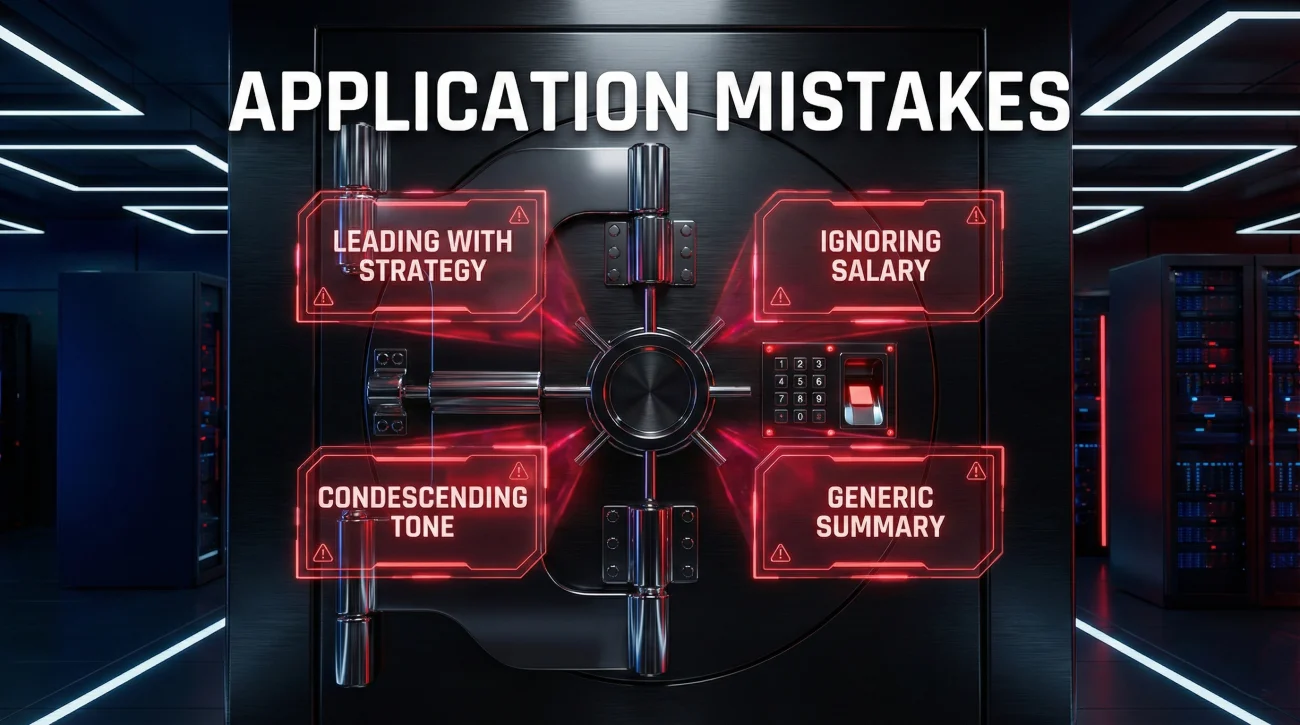
Overqualified candidates often sabotage themselves with well-intentioned mistakes. Understanding these patterns helps you avoid them.
The most damaging trap is over-explaining. When you spend five minutes justifying why you want a lower role, you sound defensive and unsure. Interviewers start wondering what you are really hiding. A confident 30-second answer works better than an anxious monologue. Practice until your explanation feels natural and brief.
Another trap is false modesty. Saying things like “I’m really not that senior” or “My title was inflated” undermines your credibility. If your title was meaningless, why did you accept it? You want to reframe your interest, not diminish your accomplishments. There is a meaningful difference between “I want this scope” and “I was never really qualified for my last job.”
The third trap is comparing this role unfavorably to your past. Statements like “This is simpler than what I was doing” or “I could do this in my sleep” terrify hiring managers. Even if objectively true, it signals exactly the boredom and disengagement they fear. Focus exclusively on what interests you about this work, not how easy it will be relative to your capabilities.
Finally, avoid treating the interview as a negotiation for future scope. Asking about promotion timelines, growth paths, or “where this could lead” in early conversations suggests you are already looking past the role. Save those questions for after an offer, or frame them as curiosity about company culture rather than personal advancement planning.
Choose Your Next Step
This hub covered the overqualified framework and core decisions. The clusters below address specific execution challenges in detail:
| Article | What It Covers |
|---|---|
| Overqualified Resume Strategy: What to Cut, What to Keep | Detailed editing checklist with 3 strategies and before-after examples |
| Applying for a Lower Position: Resume Wording That Makes Sense | 10 positioning lines and 6 pivots with mistakes to avoid |
| Why Are You Applying for a Lower Position: 45-Second Answer | Core interview structure with 6 variations and commitment cues |
| Overqualified Cover Letter: One Paragraph That Removes Doubt | 2 templates with sentence bank and do-not-say list |
| How to Tone Down Your Resume for a Lower Role | 8 edit rules with before-after examples and honesty guardrails |
| Overqualified Resume Summary: 7 Openings That Signal Scope Acceptance | Summary templates with scope and commitment cues built in |
| Will You Get Bored: Answer the Flight-Risk Question | 10 answers with proof cues and pivots |
| How to Answer a Pay Cut Question | 4 answer patterns with bridges and phrases to avoid |
| They Said You Are Overqualified: What to Change Before Reapplying | Diagnostic checklist with 10 fixes and response lines |
| Application Answers for a Lower Role: Short Lines That Make Sense | Short, believable application lines that explain downleveling without sounding desperate or evasive |
| LinkedIn for Downleveling: Headline and About Lines That Match Your Story | Headline and About examples that align with a smaller scope while keeping credibility and intent clear |
Final Word
Being overqualified on resume is not a flaw to hide. It is a positioning challenge to solve. Show recruiters you understand their concerns, demonstrate genuine reasons for wanting this scope, and present materials calibrated to the role you actually want. The goal is not to appear less capable. The goal is to appear intentional about your choice. When you can articulate clearly why this role fits what you want from your career right now, the overqualified label stops being a barrier and starts being a differentiator. Your experience becomes an asset they get at a discount, not a liability they have to manage.
❓ FAQ
🎯 Should I create a completely different resume for lower-level roles?
Create a scope-calibrated version, not a fabricated one. Adjust emphasis, reframe achievements, and add commitment language. Do not remove jobs entirely or misrepresent titles. Background checks verify history.
📝 What if I genuinely am overqualified and will get bored?
Then this might not be the right move. Taking a role you know you will hate helps no one. If you are unsure, think hard about what specifically appeals to you about this scope. If you cannot articulate it genuinely, the interviewers will sense that.
💼 Will taking a lower role hurt my career long-term?
Not necessarily. Many professionals successfully pivot to different scopes and find more satisfaction. What matters is how you frame it going forward. A deliberate choice looks different than a forced retreat.
🔍 How do I explain this to my network?
The same framing works: you discovered what work you actually enjoy and are optimizing for that rather than title. Most people respect authenticity about career priorities more than endless climbing.
⚠️ Disclaimer: ResumeSolving provides resume, cover letter, and job search communication guidance for informational purposes only. It is not legal, medical, financial, or professional counseling advice. Hiring decisions vary by company, role, location, and individual circumstances, so we do not guarantee interviews, offers, or outcomes. Always use your own judgment, verify requirements directly with the employer, and follow local laws and workplace policies. When a situation is sensitive, we prioritize privacy-safe, recruiter-appropriate wording, and you never need to share personal details you are not comfortable disclosing.